Textile & Dyeing Wastewater Treatment
Textile Industry Wastewater Treatment By Color, COD And Salt Load
Dyeing, printing, washing and finishing wastewater changes with fabric, dye chemistry, auxiliaries, batch discharge and reuse targets. We define the treatment route from water data first, then match pretreatment, oxidation, biological treatment, filtration and high-salinity options.
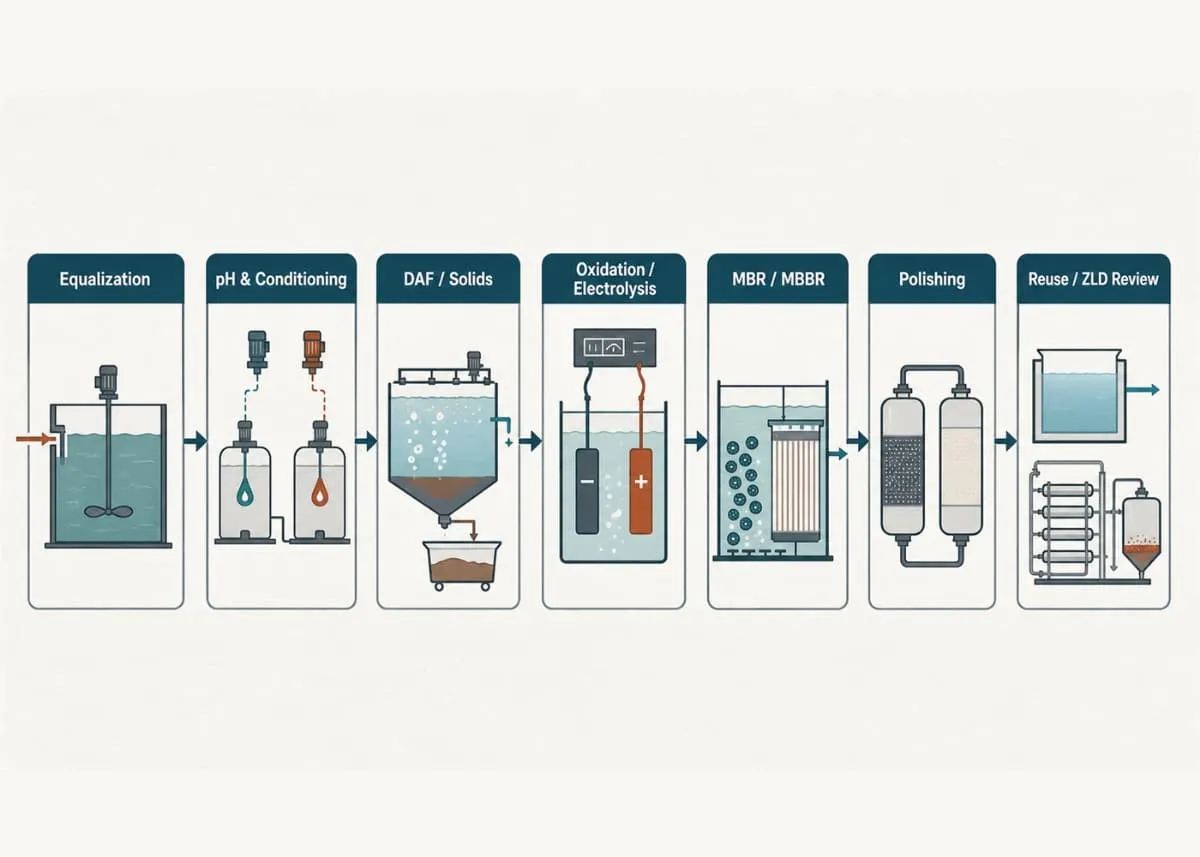
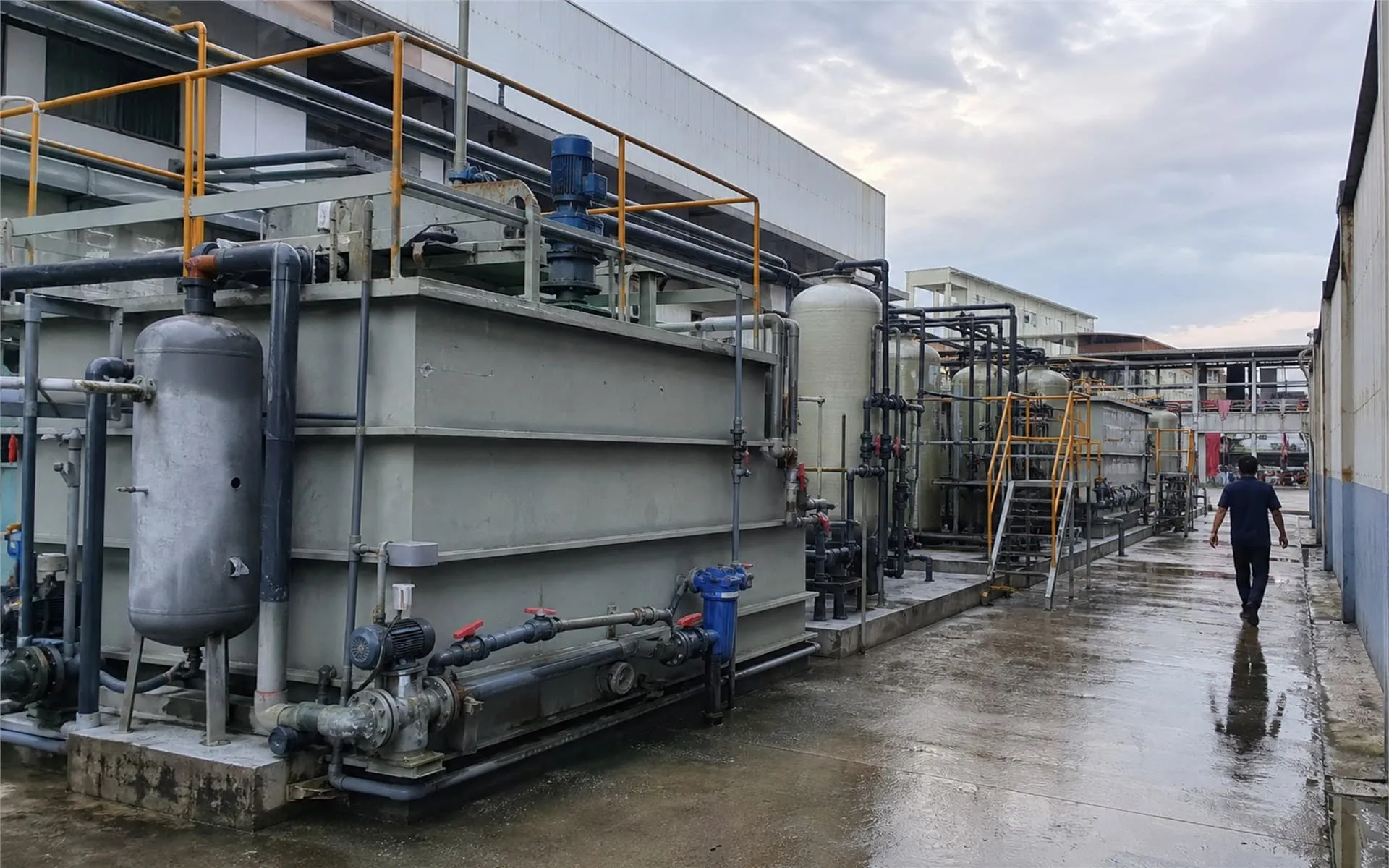 A textile route often combines equalization, flotation, oxidation, biological treatment and polishing around the factory's real production schedule.
Water Quality First
Textile Wastewater Changes With Dye Chemistry And Production Schedule
Flow equalization and water-quality grouping matter because color, COD, salt and pH can swing sharply between dyeing, washing, bleaching, printing and finishing batches.
Color And Dye Residue
Reactive, disperse, sulfur and other dye streams usually require conditioning before biological treatment. Color removal often drives the oxidation or electrochemical step.
COD And Biodegradability
The COD/BOD relationship decides whether the route can rely on biological treatment or needs catalytic pretreatment to improve downstream stability.
SS, Fibers And Flocs
Fibers, suspended solids and coagulated color bodies affect DAF, sedimentation, filtration and sludge handling before polishing or reuse.
Salt, TDS And pH
High salinity, conductivity, chloride, alkaline cleaning streams and pH swings determine material selection, membrane feasibility and whether a ZLD route needs separate review.
Route Before Equipment
From Equalization To Reuse Or Discharge
A textile route normally starts by separating large swings in flow and chemistry, then combines conditioning, solids separation, oxidation, biological treatment and polishing according to the target.
Equalize Flow
Balance batch discharge, temperature, pH and color peaks.
Condition Water
Adjust pH and apply coagulation where color or SS requires it.
Separate Solids
Use DAF, sedimentation or filtration for flocs, fibers and scum.
Break Refractory Organics
Apply catalytic oxidation, self-electrolysis or electrolysis where needed.
Stabilize Biology
Use MBR or MBBR after pretreatment if biodegradability supports it.
Polish Or Concentrate
Finish with filtration, reuse treatment or a separate high-salinity route.
Final sizing, material selection, reagent strategy, power and operating cost depend on influent data, discharge target, site layout and production schedule.
Engineering Reference Points
Reference Values Require Water-Quality Confirmation
The table gives practical starting points for textile and dyeing wastewater discussions. It is not a guarantee of final effluent, chemical dose, power use or project cost.
Reference values support early comparison only. Final values follow wastewater testing, project review, discharge target and equipment configuration.
Equipment Fit
Match Equipment Families To The Pollutant Problem
A textile project may need a compact pretreatment line, a difficult-water oxidation route, biological stabilization, high-salt review, or a combination of all four.
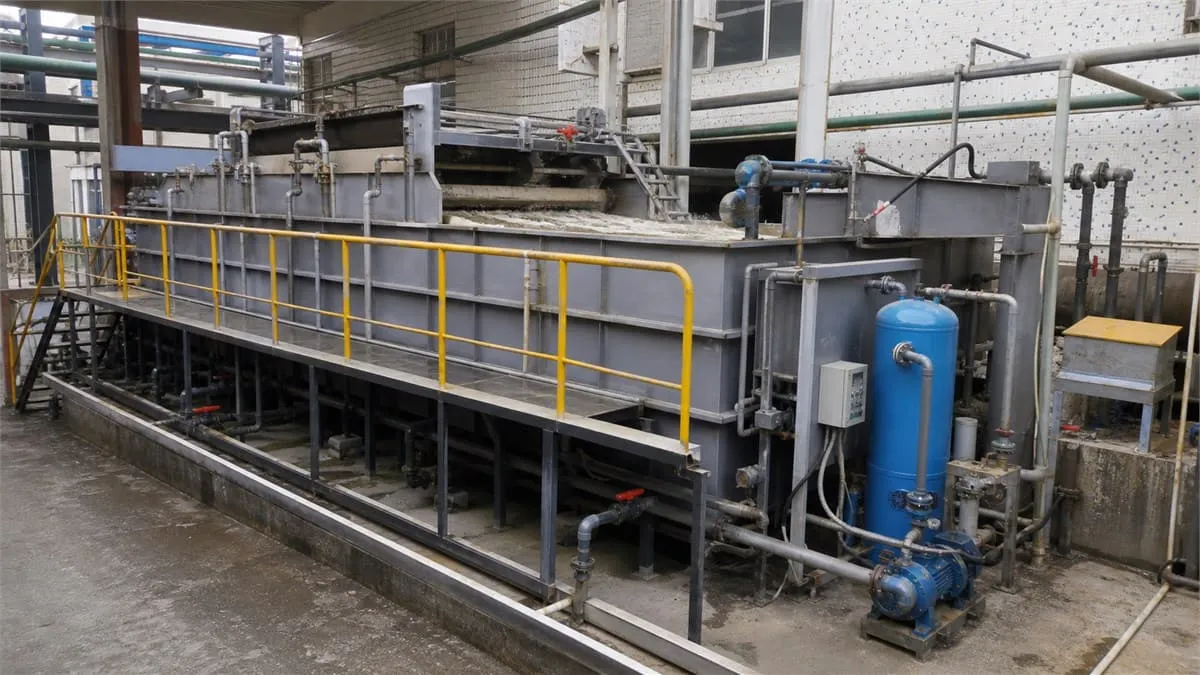
DAF And Conditioning
Use coagulation, pH adjustment and flotation for fibers, flocs, suspended solids and part of the color load before deeper treatment.
Compare DAF Pretreatment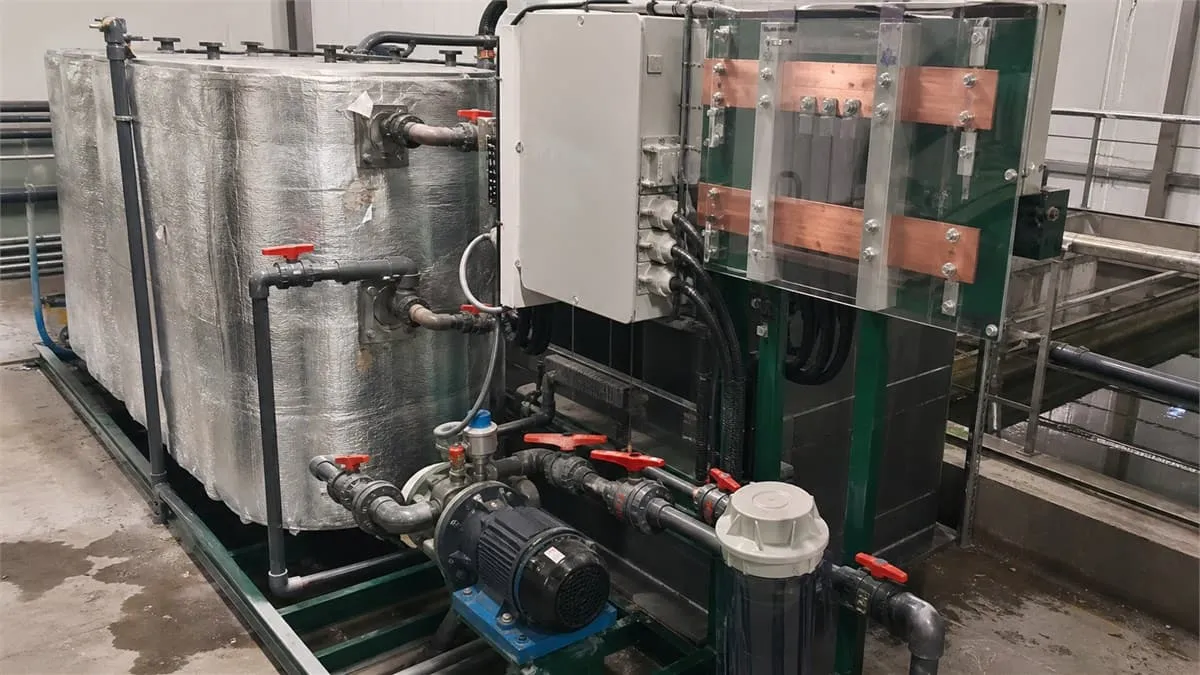
Oxidation And Electrolysis
Apply SAO3 / SO, SF, STF or FCM routes when dye molecules, refractory COD or poor biodegradability limit a biological line.
Evaluate Difficult-Water Routes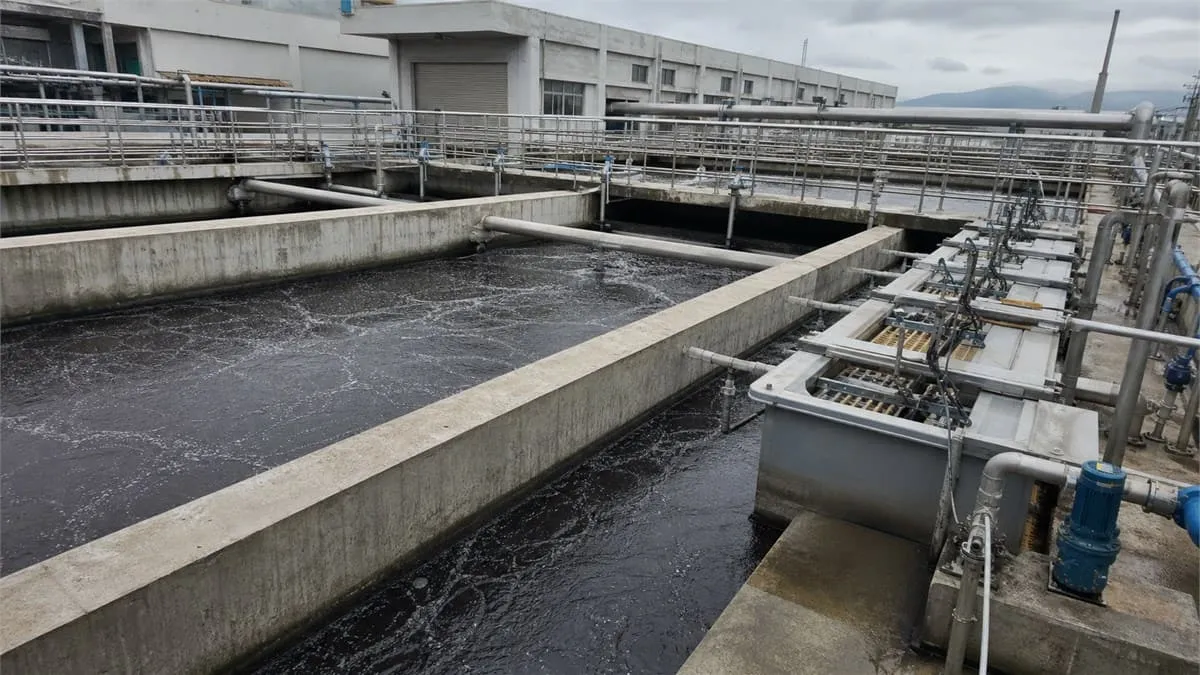
MBR / MBBR Biology
Use biological systems after pretreatment where salt, toxicity and biodegradability support stable biomass activity and effluent targets.
Review MBR Options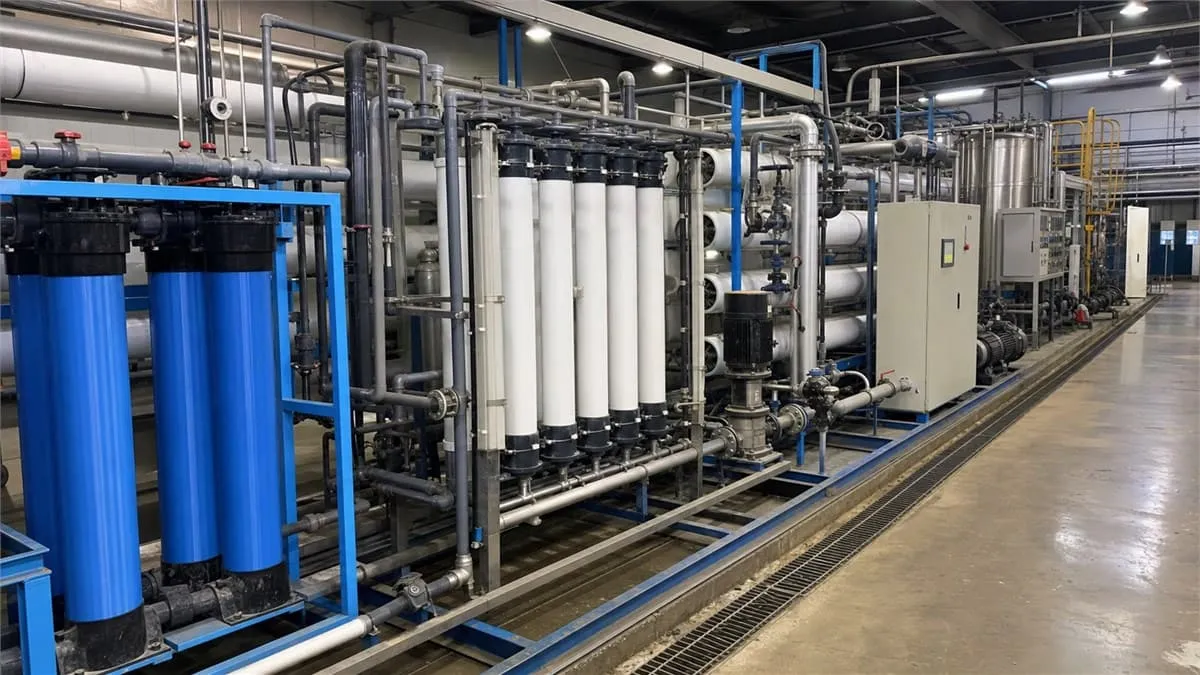
Reuse And High Salinity
Review filtration, membrane concentration or evaporation routes separately when TDS, conductivity or water reuse drives the project.
Review High-Salinity RouteProject Experience
Related Industrial Wastewater Project Experience
Textile and dyeing wastewater may require conditioning, DAF, oxidation, biological treatment, modular delivery and space planning to be matched to actual water-quality testing.
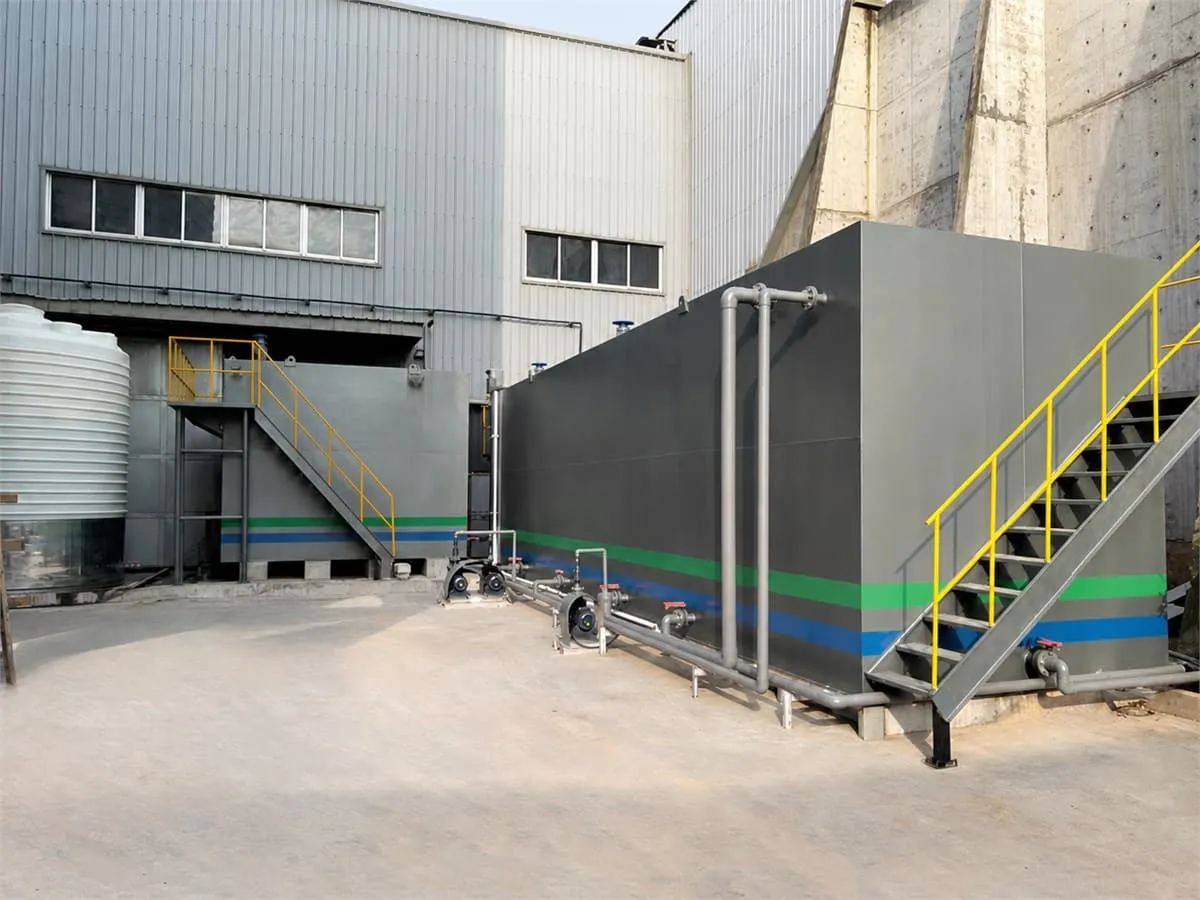
Hunan 300 m3/day Industrial Wastewater Plant
A 300 m3/day industrial wastewater reference supports early discussion of route sizing, site scope and treatment-stage coordination for non-domestic water.
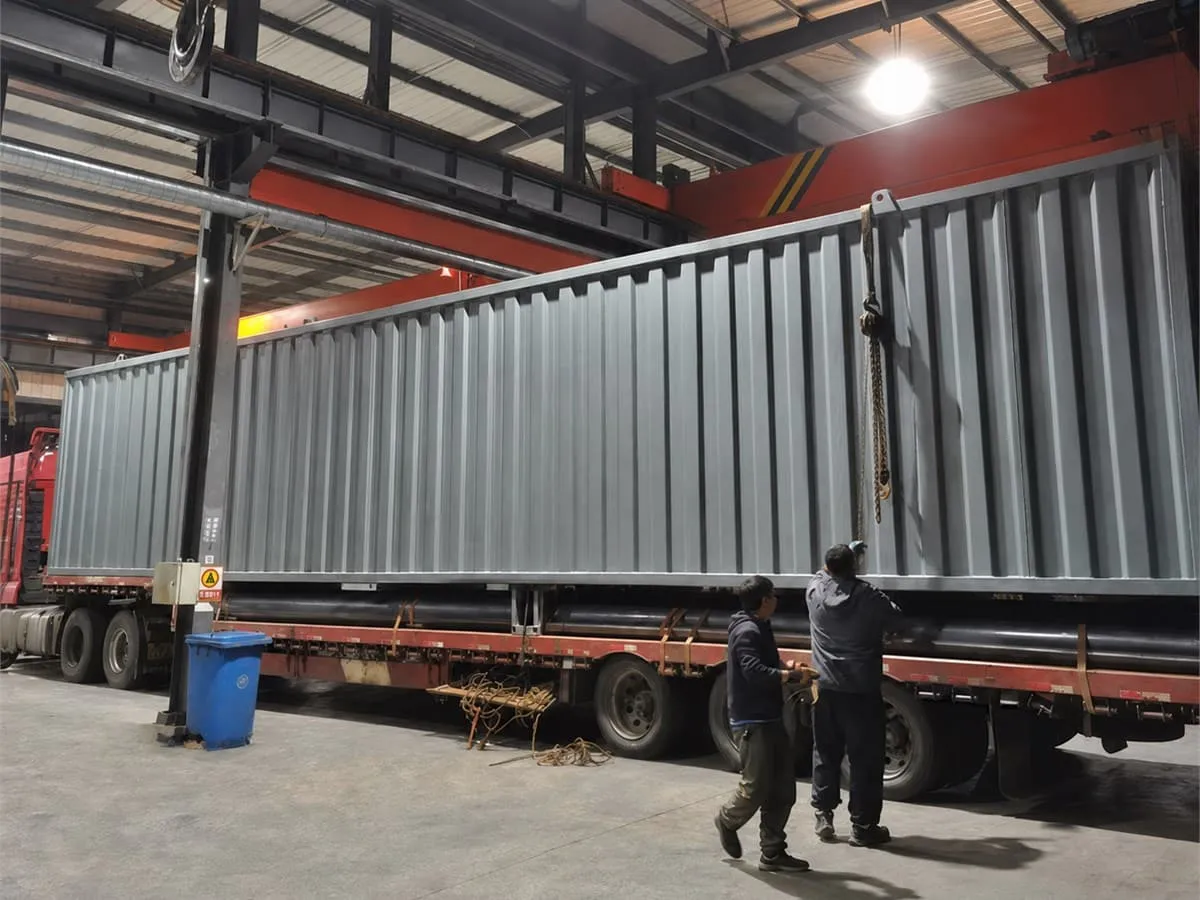
Guangdong 300 m3/day Modular Project
A modular containerized reference involving DAF, MBR, MBBR and integrated treatment equipment supports compact delivery and phased equipment-scope discussions.
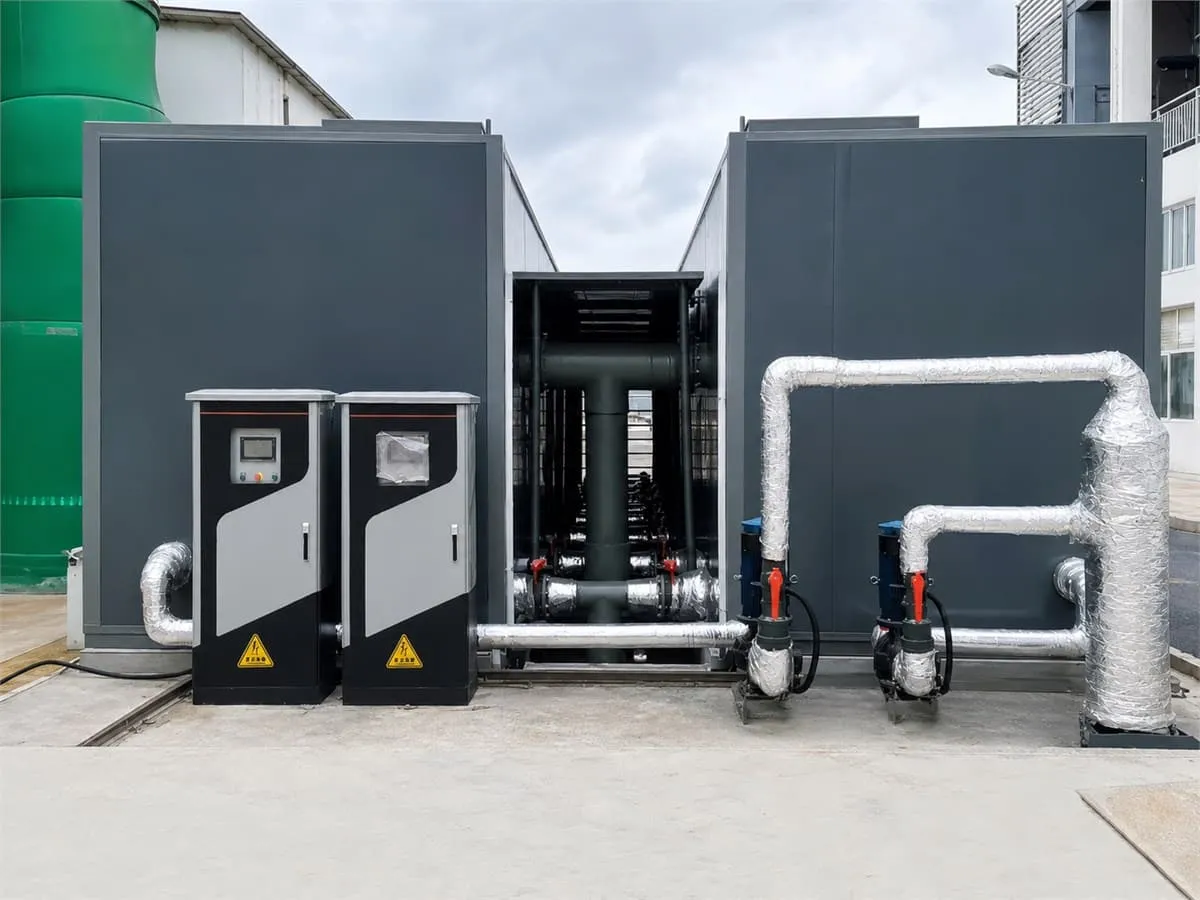
RO Neutralization DAF Treatment System
A DAF reference for neutralized industrial wastewater supports pH adjustment, coagulation and flotation review before downstream biological or polishing treatment.
For a textile project, past route experience should be matched against the water source, dye chemistry, discharge target and site data before equipment selection.
Plant Conditions
Select The Route Around Real Production Conditions
Two dyeing factories with the same average flow can need different routes when dyes, auxiliaries, salt, pH and discharge targets are different.
Dyeing And Printing Line
Color, refractory COD, suspended solids and pH variation usually drive the first route check.
Washing And Finishing
Lower color with surfactants, fibers and finishing chemicals may still need solids control and biological stability checks.
Industrial Park Mixture
Mixed textile, chemical or printing streams need pollutant grouping before one combined treatment route is selected.
Reuse Or Concentrate Handling
Reuse and discharge reduction depend on TDS, hardness, scaling tendency, color and residual organics after pretreatment.
Material And Layout Check
pH, Salt And Oxidants Affect Contact Materials
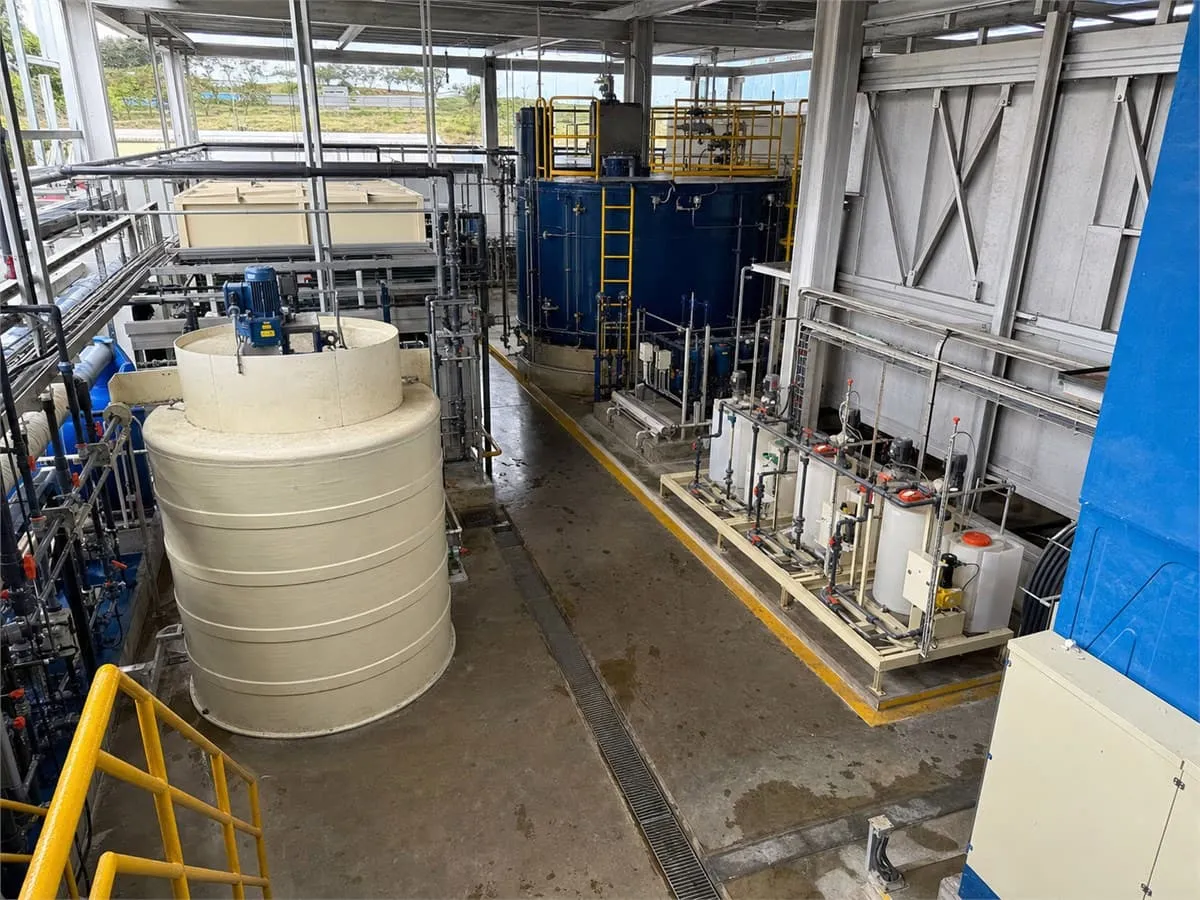
Textile wastewater may carry alkaline cleaning streams, chlorides, salts, oxidants, dye residues and temperature swings. Tank body, piping, lining, dosing contact parts and skid layout need the same review as the process route.
Material Inputs
Configuration Inputs
Prepare The RFQ
Send Water Data Once, Then Define The Route And Equipment Scope
A textile project needs water data before equipment sizing. Send the available values and production notes, even if some indicators are still being tested.
Useful Inputs For Textile Wastewater Review
Common Questions
Textile And Dyeing Wastewater Treatment Questions
These answers keep the first conversation practical while leaving room for wastewater testing and project-specific engineering.
Define The Textile Wastewater Route Before Equipment Sizing
Start with water quality, production schedule and discharge target, then review DAF, oxidation, biological treatment, polishing and high-salinity options.