
QDPP Integrated Sewage Treatment Plant
QDPP integrated sewage treatment plants use high-modulus polypropylene tank structures for compact, buried, above-ground and corrosion-sensitive wastewater projects. Flow rate, discharge target, site layout, material needs and maintenance access determine whether a horizontal, vertical or customized PP tank configuration fits the project.
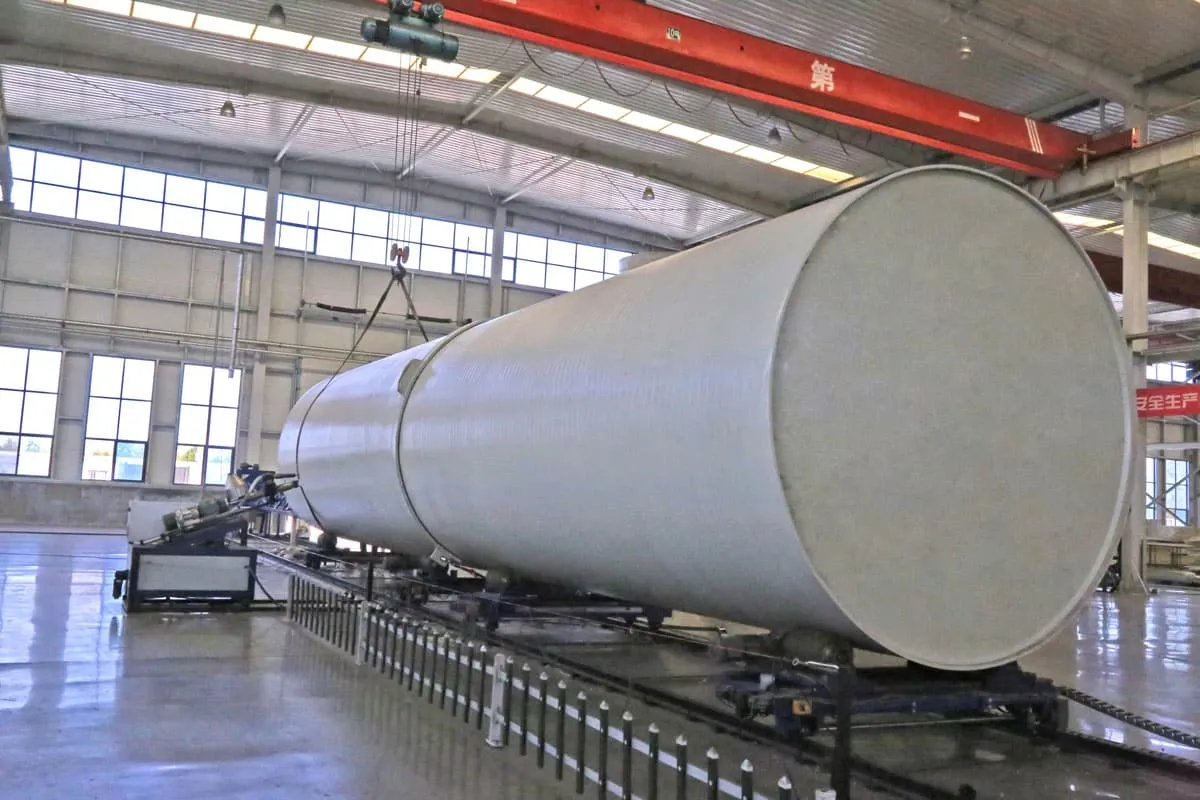
Tank shape, buried or above-ground installation, PP material, biological process and outlet target are checked before final drawings.
Certification And Engineering Review Materials
Procurement teams can request certificate copies, qualification materials, drawings and project-specific technical notes during RFQ review. Credential materials can include ISO management systems, CEP certification, environmental engineering contractor qualification and safety production license.
High-Modulus PP Tank Body For Compact And Corrosion-Sensitive Sites
QDPP selection starts with material and tank geometry. PP body structure, wall thickness, tank orientation, welding process, installation form and maintenance access shape the biological process and equipment scope that follow.
High-Modulus Polypropylene
The tank body uses high-modulus polypropylene for projects where corrosion resistance and material choice matter.
g/cm3 Density Range
The material narrative lists polypropylene density in this range for early material comparison.
MPa Elastic Modulus
The material reference compares high-modulus polypropylene elastic modulus with HDPE for structural review.
mm Wall Thickness Range
Wall thickness depends on tank joint, buried condition, operating load and project requirements.
Structure Options
Tank body selection can consider solid wall or hollow structure according to layout and engineering needs.
Extrusion And Thermal Fusion
Internal and external welding details, seam access and inspection points belong in the supplier review package.
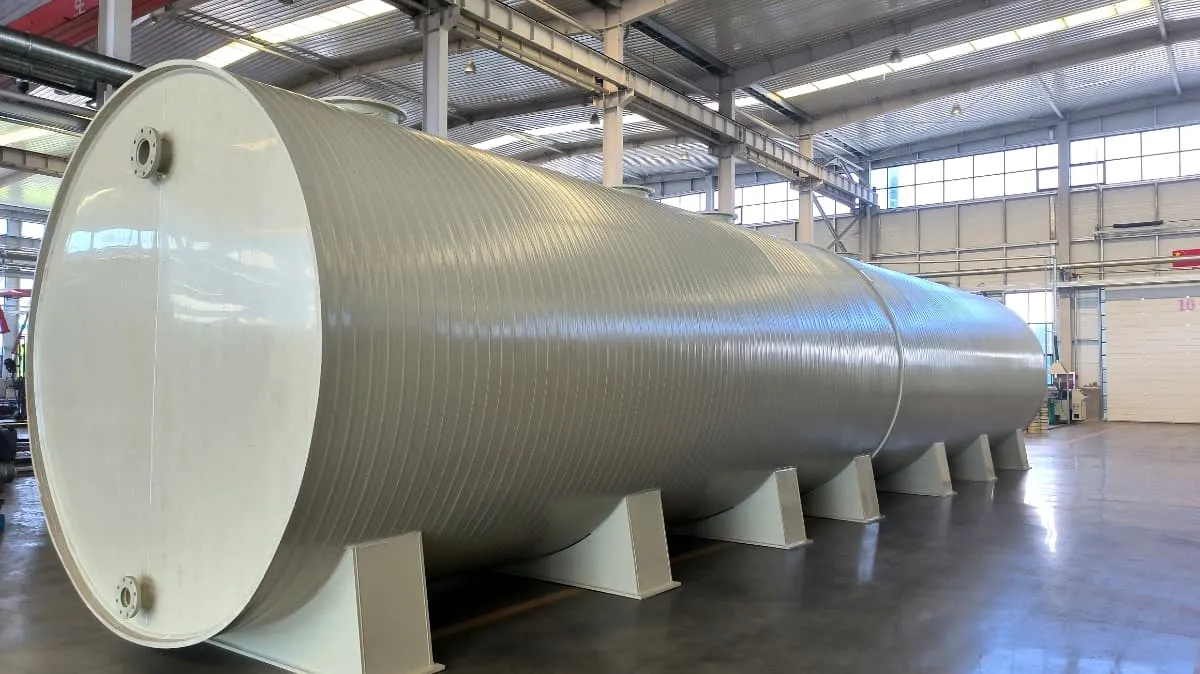
Select Horizontal, Vertical Or Hollow Tank Direction
QDPP is a PP integrated tank platform, not a single fixed treatment process. Tank direction, A/B process grade, footprint, burial depth, outlet target and maintenance access define the final equipment scope.
Horizontal Tank A
Selected when the project calls for the Grade A discharge-grade direction and a horizontal PP tank fits the site.
Horizontal Tank B
Selected when the discharge target and project conditions support the Grade B process grade.
Vertical Tank A
Used for compact-footprint sites where a vertical PP tank arrangement simplifies layout planning.
Hollow Or Customized Tank
Used when structure, color, wall thickness, inlet/outlet positions or installation conditions require customization.
Grade A and Grade B are discharge-grade directions used in the QDPP product tables. They guide A/B process selection, while the final project must still match the applicable local discharge standard and target values.
QDPP Horizontal And Vertical Tank Models For Early Selection
Horizontal Tank A and Horizontal Tank B share the WSZ model ladder but use different discharge-grade directions. The horizontal table now includes equipment and operating weight so capacity, dimensions, power, footprint and transport planning can be compared from the same view.
Operating cost depends on operation power, daily running hours and the local electricity tariff. A/B process grade follows wastewater data and discharge target, not model code alone.
Compact Vertical Tank Range For 30-150 m3/d
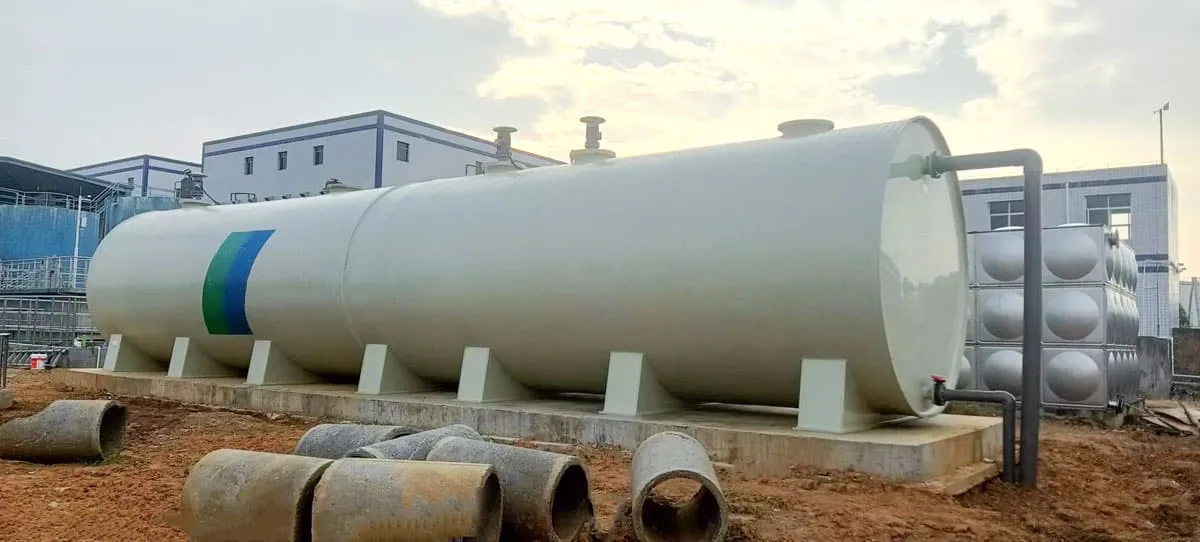
Where QDPP PP Integrated Tanks Fit Best
QDPP is strongest when tank material, installation form and site constraints matter as much as biological treatment. Final process configuration still depends on influent data and outlet target.
Rural And Decentralized Sewage
Villages, towns, service areas and small communities can review QDPP when compact integrated equipment and PP tank structure fit the site.
Buried Or Above-Ground Layout
Horizontal and vertical tank choices change excavation, cover depth, pipe routing, maintenance space and site access.
Corrosion-Sensitive Conditions
PP material may be reviewed where tank corrosion resistance is a higher priority than a conventional carbon steel structure.
Compact Facility Projects
Commercial facilities, scenic areas, camps and public buildings often need visible dimensions and access planning before model selection.
Medical Or Special Sites
Hospital and sensitive projects require stricter process design, disinfection scope and discharge documentation.
Combined Equipment Scope
QDPP tanks may combine with MBR, MBBR, DAF pretreatment, dosing, filtration or disinfection according to the wastewater source.
Compare QDPP With MBR, MBBR, DAF And Packaged Plant Options
QDPP answers the material and tank-structure question first. The biological technology, pretreatment and polishing scope still come from wastewater analysis and the required outlet target.
Evaluate MBR Technology
Use MBR when membrane separation, outlet clarity and compact solid-liquid separation drive the treatment design.
Compare MBBR Technology
Use MBBR when suspended carrier biofilm treatment and downstream solids separation fit the biological stage.
Check DAF Pretreatment Fit
Use DAF before biological treatment when oils, grease, light flocs or suspended solids need separation.
Review Packaged Plant Options
Compare packaged plant families when MBR, MBBR, QD Tank, MV, BFTR or QDPP may still fit the project.
Review Complete Systems
Compare pretreatment, biological treatment, polishing, sludge handling and delivery scope as one complete system.
Review Domestic Sewage Projects
Review domestic sewage directions when the project is driven by village, town, camp, facility or similar sewage treatment needs.
PP Tank Fabrication, Welding And Delivery Review
PP tank fabrication brings a different procurement checklist from carbon steel equipment. Welding access, seam treatment, pipe positions, lifting weight, packing method and installation conditions all affect drawings, delivery planning and site work.
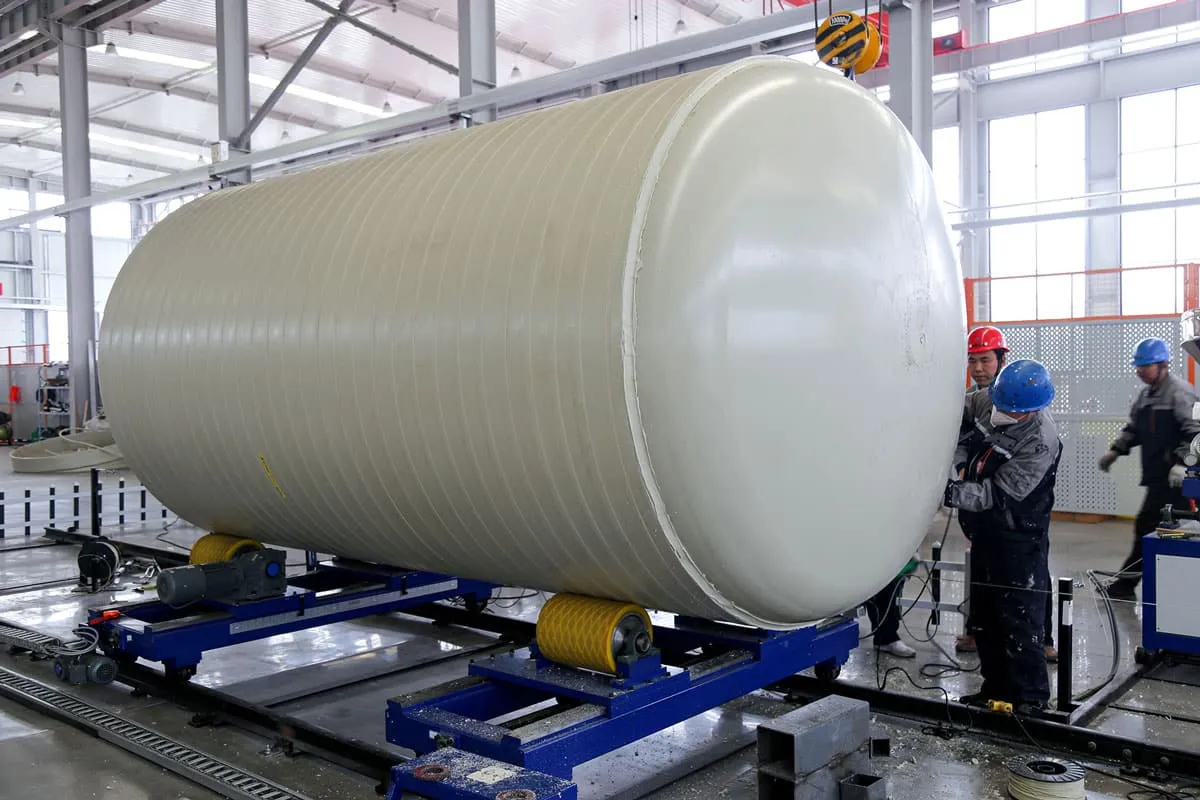
Selected QDPP And PP Integrated Tank Projects
Selected references include compact QDPP tanks, buried PP equipment and above-ground QDPP/MBBR configuration across different capacity ranges. New project performance depends on influent data, treatment design, outlet target, operation and local discharge requirements.
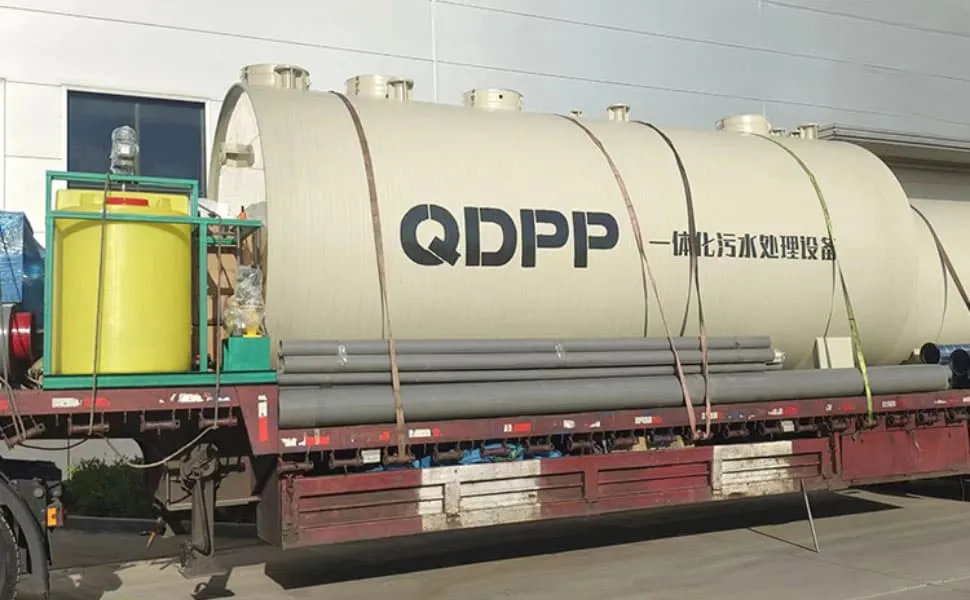
Hainan QDPP Integrated Project
A small-capacity QDPP integrated sewage treatment project where PP tank layout and compact equipment selection were central to early review.
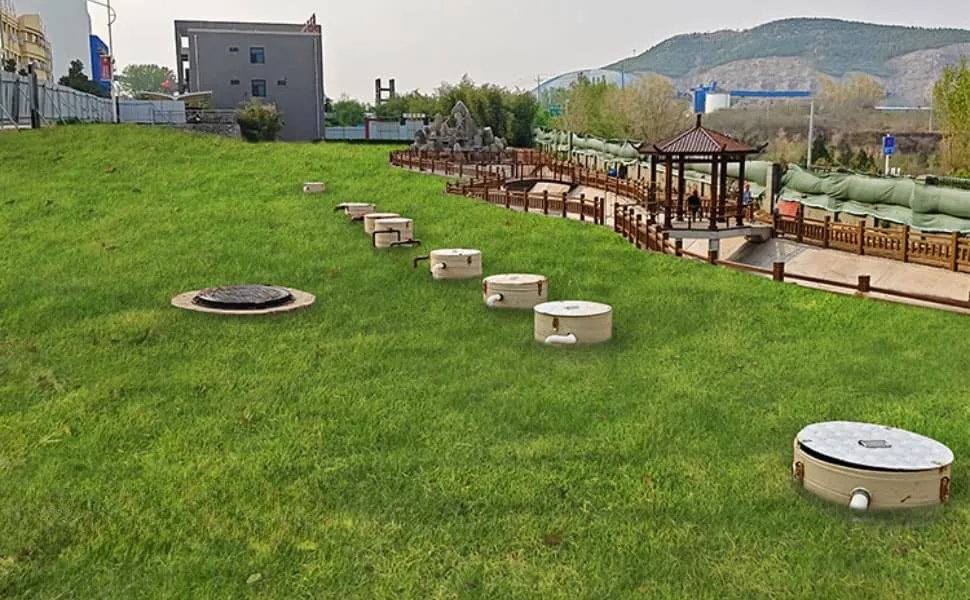
Jiangxi Buried QDPP Project
A buried QDPP sewage treatment plant reference where tank installation form, pipe routing and access conditions affect equipment planning.
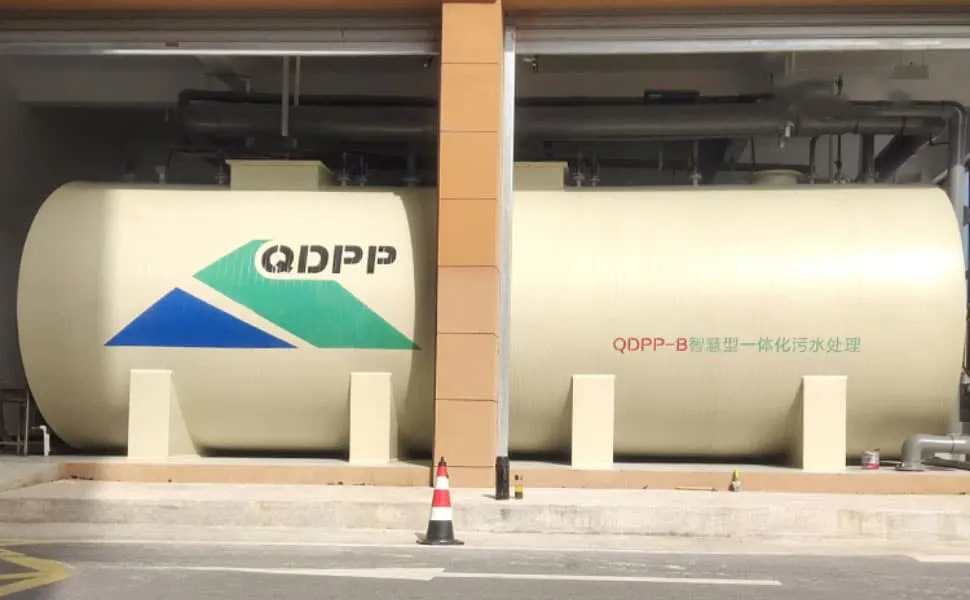
Anhui Medical QDPP Project
A medical wastewater application using QDPP integrated sewage treatment equipment, where disinfection, documentation and discharge target review matter alongside tank structure.
From Water Data To QDPP Tank Scope
A useful first inquiry connects wastewater data with tank configuration, process grade, material requirements, layout constraints and delivery scope.
Send Project Inputs For QDPP Tank Review
Share flow rate, wastewater source, discharge target, installation preference, available space, buried or above-ground condition, material requirements, pipe direction and any available water-quality report.
QDPP Integrated Sewage Treatment Plant FAQ
Early QDPP selection depends on tank material, installation form, discharge grade, wastewater data and the final treatment process.