MBBR Wastewater Treatment System
MBBR integrated sewage treatment equipment uses suspended biofilm carriers and aeration mixing to increase biological contact inside a compact reactor. It is suited for decentralized sewage and selected organic wastewater routes where flow, pollutant load, site layout and discharge target are reviewed together.
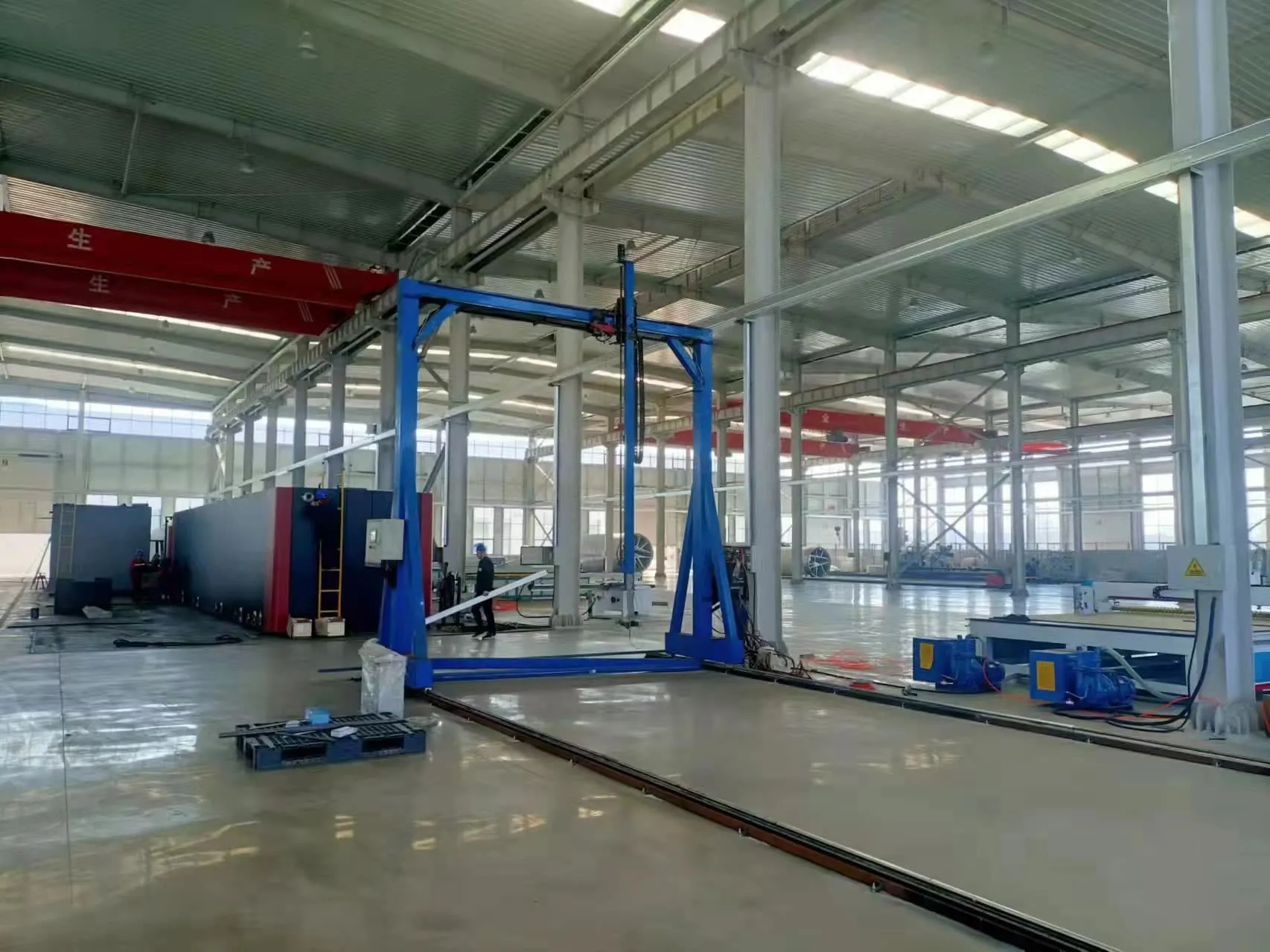
Influent indicators, daily flow, footprint, carrier load, tank material, polishing needs and sludge route are confirmed before final drawings.
When MBBR Fits The Treatment Route
MBBR is usually reviewed when biological treatment is needed in a compact equipment body, the wastewater has biodegradable organic load, and operation teams prefer a carrier biofilm route without membrane separation as the primary outlet barrier.
Flow And Load Need Biological Contact Area
Suspended carriers increase surface area for attached biomass, helping the reactor handle organic load within a controlled tank volume.
Outlet Target Allows Settling Or Polishing
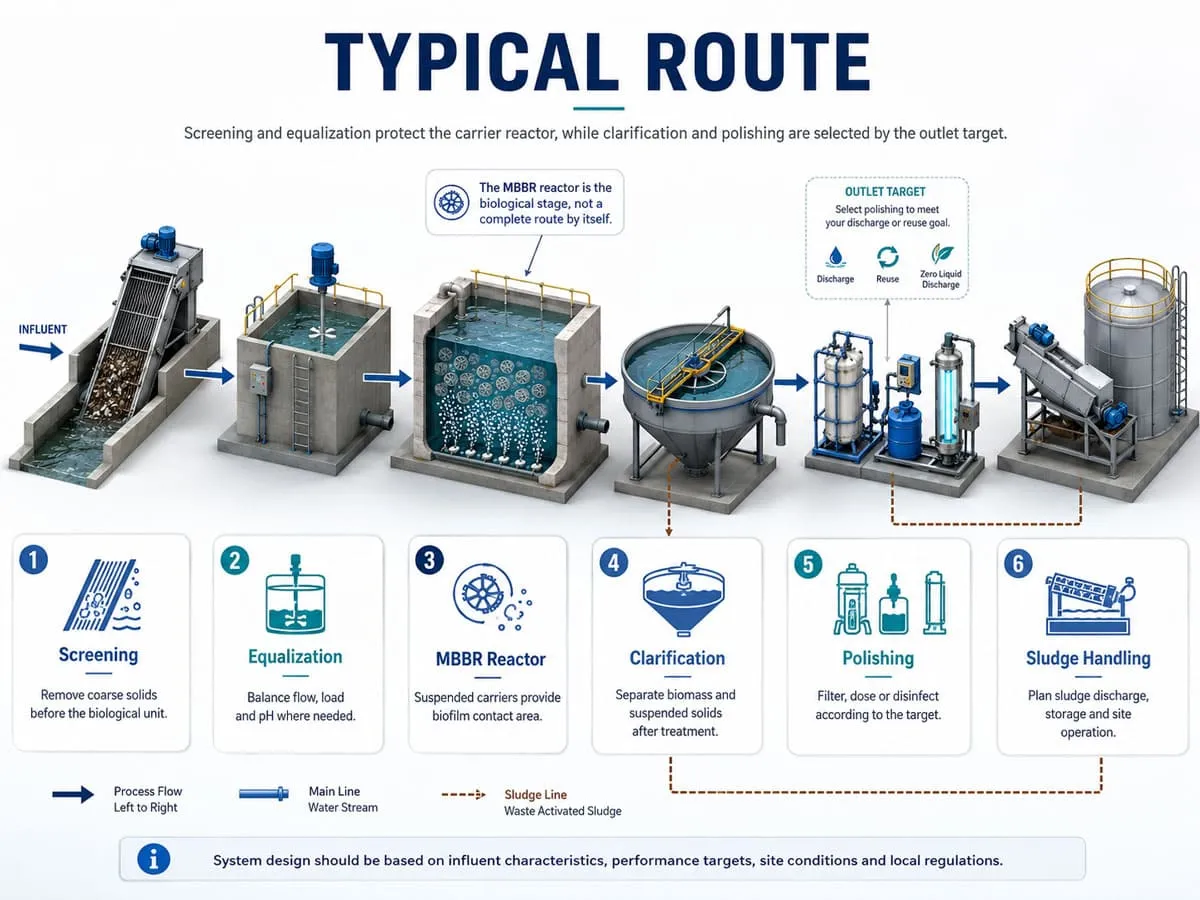
MBBR routes normally require downstream clarification, filtration, disinfection or other polishing steps depending on the final discharge target.
Project Conditions Favor Robust Operation
Decentralized sewage, towns, camps, resorts and commercial facilities often need compact equipment with service access, aeration control and simple process visibility.
Pretreatment Can Protect The Biofilm Stage
Oil, high suspended solids, toxic compounds, salinity shocks or poor biodegradability should be reviewed before the MBBR reactor is sized.
Suspended Carriers Create A Moving Biofilm Environment
The carrier density is close to water, so aeration and hydraulic mixing keep the media in motion. Microorganisms grow on the carrier surface and inside the carrier structure, supporting aerobic and anoxic reactions in the biological stage.
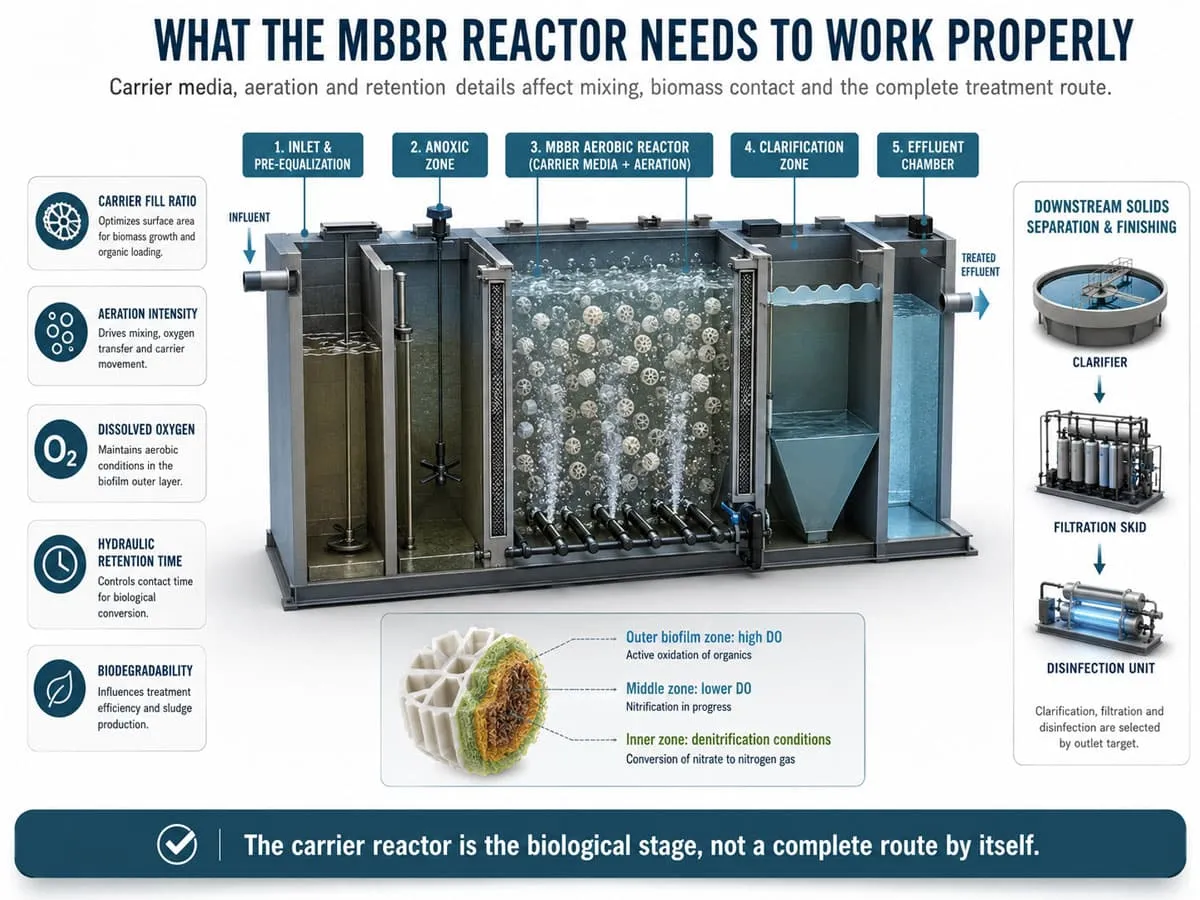
What The MBBR Reactor Needs To Work Properly
Carrier fill ratio, aeration intensity, dissolved oxygen, hydraulic retention time, influent biodegradability and downstream solids separation all affect the final route. The carrier reactor is the biological stage, not a complete promise by itself.
Complete 5-500 m3/d Reference Models For Early Selection
The table supports early comparison of capacity, equipment size, weight and power. Final dimensions, cable selection, floor area and equipment grouping are confirmed with project layout and technical drawings.
Energy cost should be estimated from operating power, daily running hours and local electricity tariff. Do not compare operating-cost numbers without using the same tariff basis.
Influent, Outlet And HRT Inputs For MBBR Selection
MBBR sizing should not start from flow alone. Organic load, nitrogen load, suspended solids, pH, phosphorus target, toxicity risk and hydraulic retention time all affect tank volume, carrier fill, aeration, clarification and polishing scope.
Organic Load
COD and BOD define the biological load and help size reactor volume, carrier surface area, aeration demand and sludge handling.
Nitrogen Target
Ammonia nitrogen affects aerobic reaction needs, dissolved oxygen control, carrier biofilm conditions and downstream outlet review.
Pretreatment Risk
High suspended solids, oil, grease or fibers can reduce reactor stability and may require screening, equalization, DAF or other pretreatment.
Biofilm Conditions
pH, salinity, toxic compounds and temperature influence microbial activity and should be checked before the carrier reactor is selected.
Phosphorus Control
Total phosphorus targets may require chemical dosing, enhanced biological conditions or polishing steps after the MBBR reactor.
Hydraulic Retention Time
HRT is confirmed from flow, tank volume, pollutant load, carrier fill and outlet target. It should be reviewed together with actual wastewater data.
Discharge Or Reuse Target
The required outlet standard decides whether clarification alone is enough or filtration, disinfection, dosing or membrane treatment should be added.
Site And Maintenance Access
Blower access, carrier retention, sludge discharge, control cabinet position and operator routine should be included in early layout review.
Choose MBBR, MBR Or A Packaged Plant Direction
The stronger route depends on wastewater source, outlet target, footprint, operator capacity, pretreatment needs and material requirements. MBBR is not always a lower-spec choice; it is a different biological route with different solids separation and polishing needs.
Stay With MBBR
Use suspended carriers when compact biological contact, stable biofilm operation and downstream clarification or polishing fit the discharge target.
Compare MBR
Review membrane separation when the project needs a tighter solid-liquid barrier, smaller footprint or higher outlet clarity after biological treatment.
Review Packaged Plant Options
When equipment format is still open, compare MBR, MBBR, QD Tank, MV, BFTR and QDPP configurations under one packaged plant selection path.
Add Pretreatment Or PP Tanks
DAF, dosing, filtration or PP tank configurations may be needed when influent oil, solids, corrosion risk or above-ground layout changes the equipment scope.
Applications For Carrier Biofilm Treatment
MBBR equipment is normally reviewed for biodegradable wastewater sources where capacity, influent fluctuation, outlet target and maintenance access can be matched with a practical biological route.
Domestic Sewage And Town Projects
Villages, townships, communities and public facilities often need compact biological equipment with stable access to blowers, pumps and controls.
Commercial And Camp Facilities
Hotels, scenic areas, camps, office parks and service facilities can review MBBR when daily flow and load changes remain inside the selected design range.
Selected Organic Wastewater
Industrial wastewater with biodegradable organics may use MBBR after oil, toxic compounds, solids, salinity and pH risks are reviewed and controlled.
Upgrades Around Existing Tanks
Carrier media can be considered when a project needs more biological contact area, but tank hydraulics, retention screens and aeration must be checked carefully.
Complete System Routes
MBBR can work with , dosing, filtration, disinfection or sludge equipment when the wastewater source requires a combined route.
Export And Modular Delivery
Equipment grouping, container loading, skid scope and installation access are reviewed according to size, destination, site conditions and project schedule.
Equipment Manufacturing, Certification And Delivery Support
We support MBBR project review from water data and route selection to equipment drawings, fabrication, inspection, packing and installation guidance. Certificates and qualifications can be presented during supplier review where procurement teams need formal credentials.
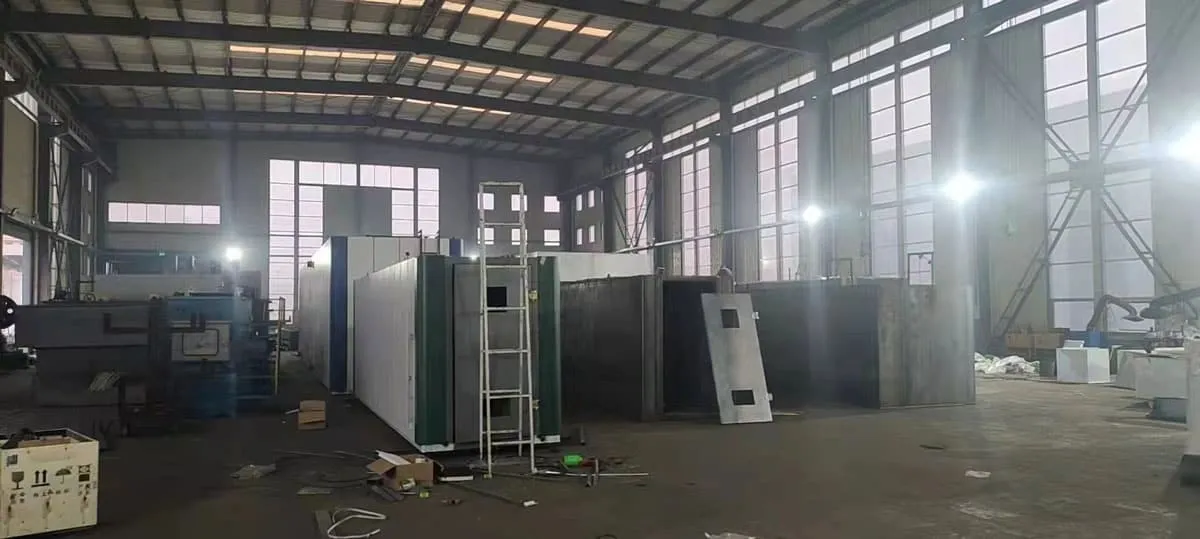
Selected MBBR-Related Wastewater Projects
Project references are best used to compare equipment form, capacity range and route context. Final treatment results depend on influent data, design basis, operation and local discharge requirements.
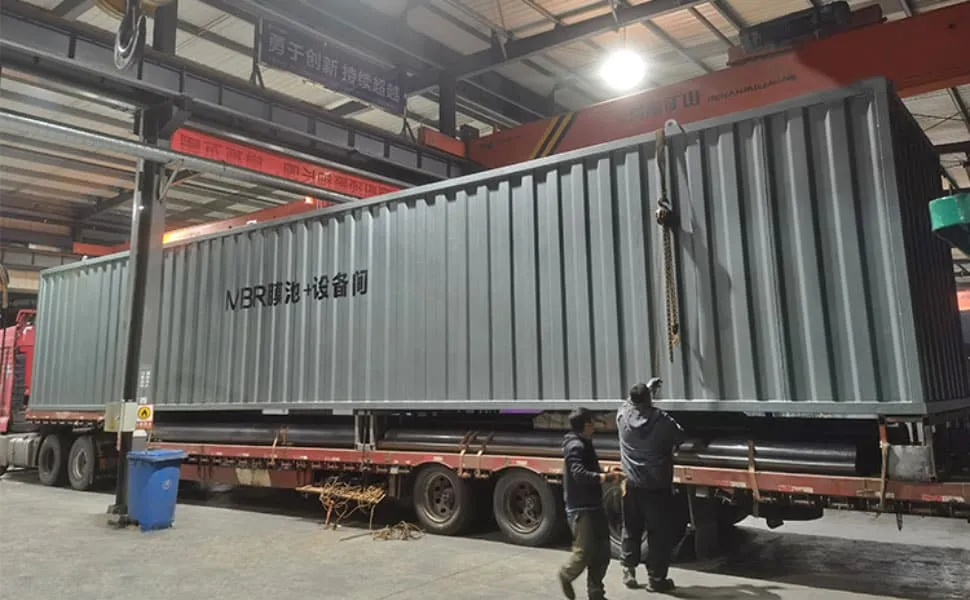
Guangdong Modular Wastewater Project
A modular wastewater project combining pretreatment and biological equipment families including MBBR, MBR and DAF options for route review.
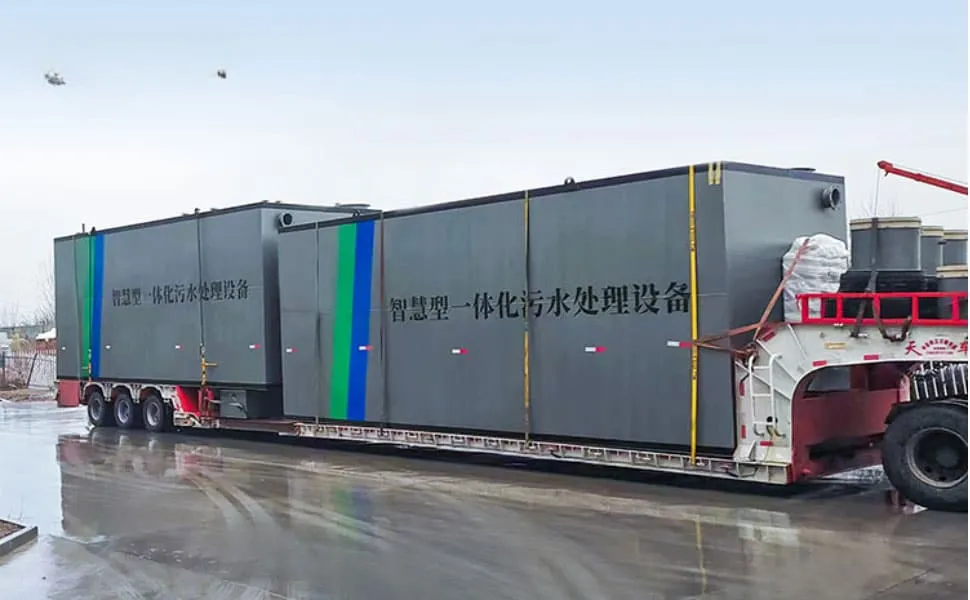
Zhejiang Domestic Wastewater Project
WSZ integrated equipment was used for a domestic wastewater route where compact biological treatment and operation access were important.
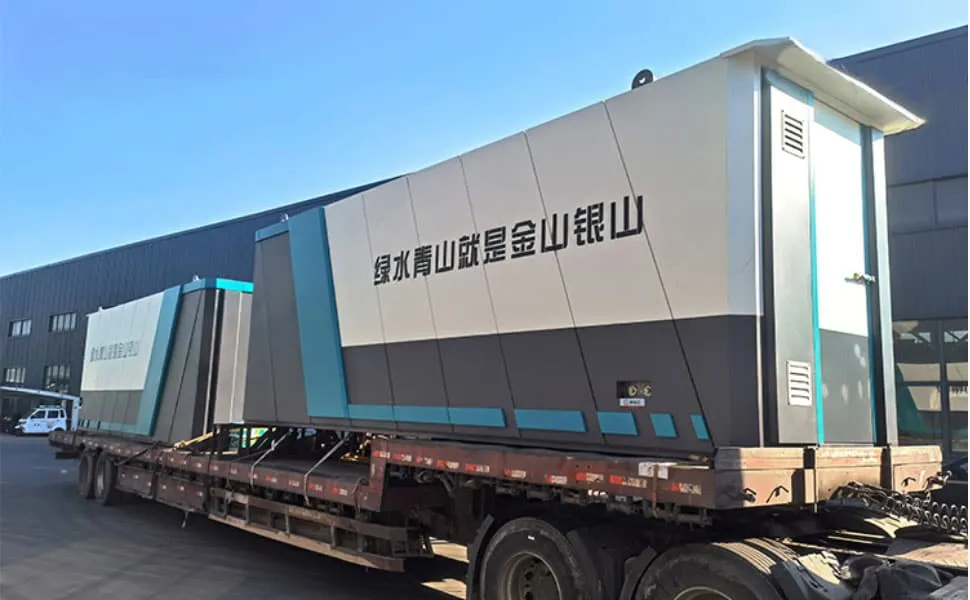
Zhejiang Above-Ground Treatment Unit
An above-ground wastewater treatment unit using MBBR and PP tank configuration for a compact county-level application.
Send Project Inputs For MBBR System Review
Share flow rate, wastewater source, available COD/BOD/SS/ammonia data, discharge target, site layout and material requirements. One set of inputs can be routed to product selection, complete system review or packaged plant comparison.
MBBR Wastewater Treatment System FAQ
These answers set practical selection boundaries before detailed design and quotation.