
Containerized Wastewater Systems For Compact Sites And Export Delivery
A containerized wastewater treatment plant brings process equipment, piping, controls and access space into a transportable equipment layout. Flow rate, wastewater quality, discharge target and site conditions decide whether MBR, MBBR, DAF, dosing, filtration or modular packaged units are used.
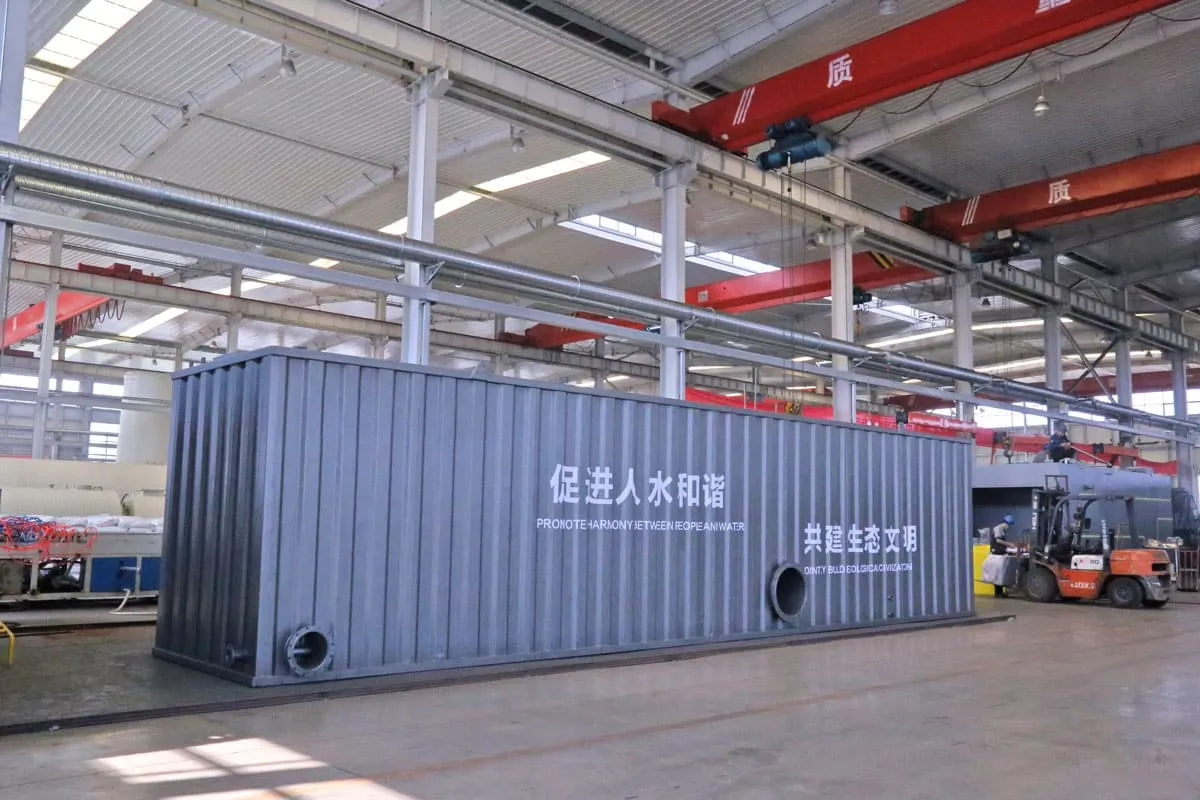
When Containerized Wastewater Treatment Fits
Containerized treatment is usually selected when the project needs compact installation, controlled factory assembly, faster site connection or a transportable equipment format. It is still an engineered wastewater system, not a one-size product: influent data and discharge requirements drive the actual configuration.
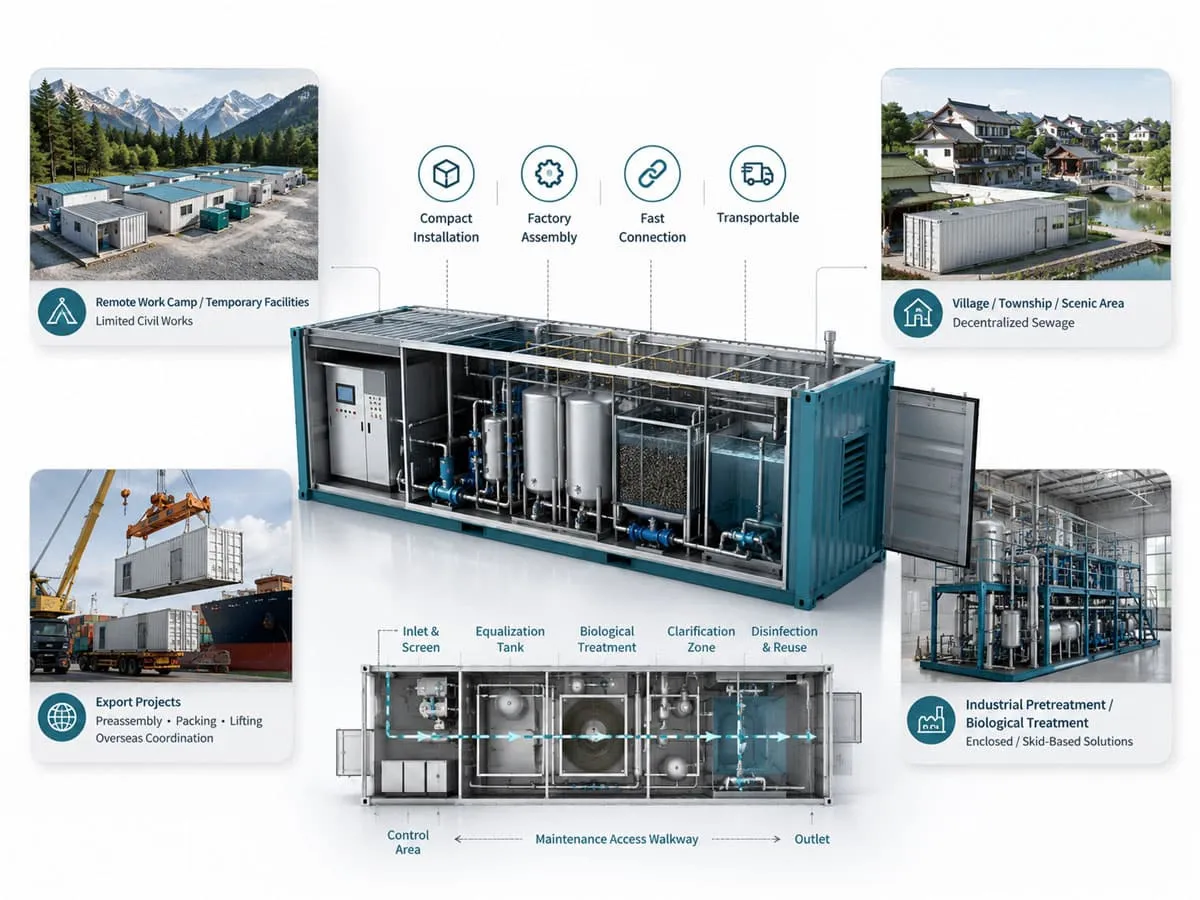
Standard Dry Container Dimensions For Early Logistics Review
Container dimensions help procurement teams screen freight, lifting and site-access questions before the final layout is confirmed. The figures below are typical dry-container references; actual equipment grouping, shipping weight and operating weight are confirmed after process and layout review.
Dry container dimensions vary by carrier and container manufacturer. A wastewater treatment plant also needs process volume, walkway clearance, sludge handling, ventilation, lifting balance and utility connection review, so container size alone does not define treatment capacity.
Project Capacities Already Seen In Containerized Work
These capacities are project references from current Motiva material, not single-container capacity promises. They give buyers a more concrete starting point before formal sizing.
For a question such as whether 50 m3/day can fit into one 20ft container, flow alone is not enough. The answer depends on influent strength, HRT, pretreatment, sludge space, access clearance, tank form and outlet target.
Process Equipment That Can Enter A Containerized Layout
The container is the delivery and installation format. The treatment process is selected separately from wastewater source, pollutant profile, flow rate, discharge target and maintenance access.
Containerized MBR Treatment
MBR is suited when a compact biological process and membrane separation are needed for domestic sewage or similar biodegradable wastewater. Membrane cleaning space and suction-control access are reviewed early.
Evaluate MBR SystemsContainerized MBBR Treatment
MBBR uses suspended carriers for biofilm growth and can be reviewed when the project favors carrier-based biological treatment, shock-load tolerance and easier separation from membrane maintenance needs.
Compare MBBR SystemsDAF Pretreatment Before Biology
DAF can be placed before biological treatment when oil, light flocs, colloids or suspended solids need removal. Chemical dosing and sludge handling are considered with the pretreatment scope.
Compare DAF Pretreatment SystemsQD Tank And MV-Type Units
Small modular units and MV-type vertical systems can support decentralized projects where compact layout, module grouping and terrain conditions matter more than one long tank body.
Review Modular Wastewater SystemsDosing, Filtration And Disinfection
Chemical dosing, media filtration, disinfection and control cabinets are reviewed around influent indicators, outlet target, maintenance frequency and available utility connections.
Define Complete Equipment ScopePackaged Plant With Container Delivery
Some projects need a packaged wastewater treatment plant first, then a containerized or skid-mounted delivery approach. Equipment form and transport plan are aligned after process selection.
Review Packaged Plant OptionsWhat We Review Before Container Layout
A useful inquiry gives enough technical and site context to decide whether the equipment can be grouped into one container, multiple containers, outdoor skids or a packaged plant plus containerized control and support units.
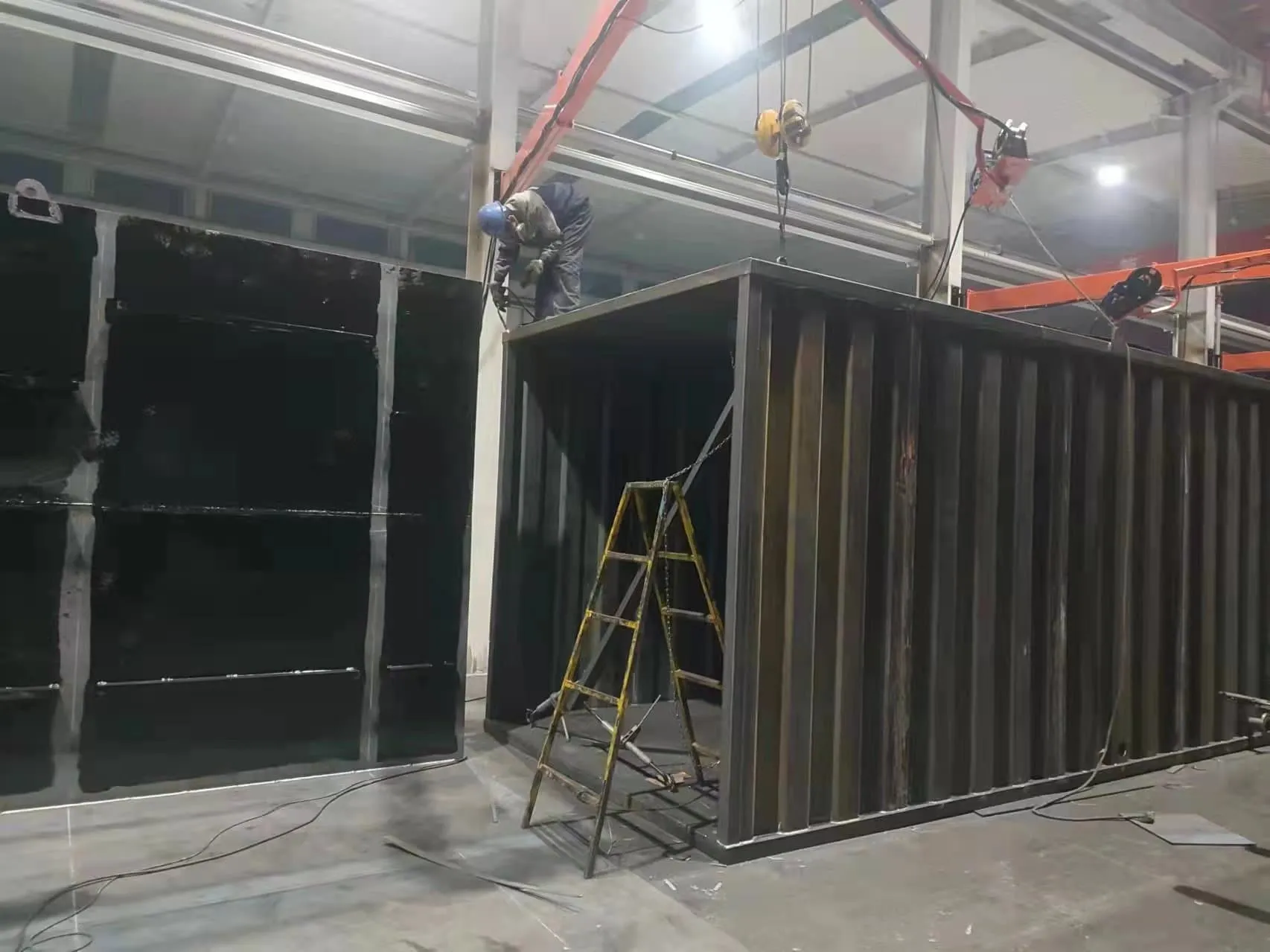
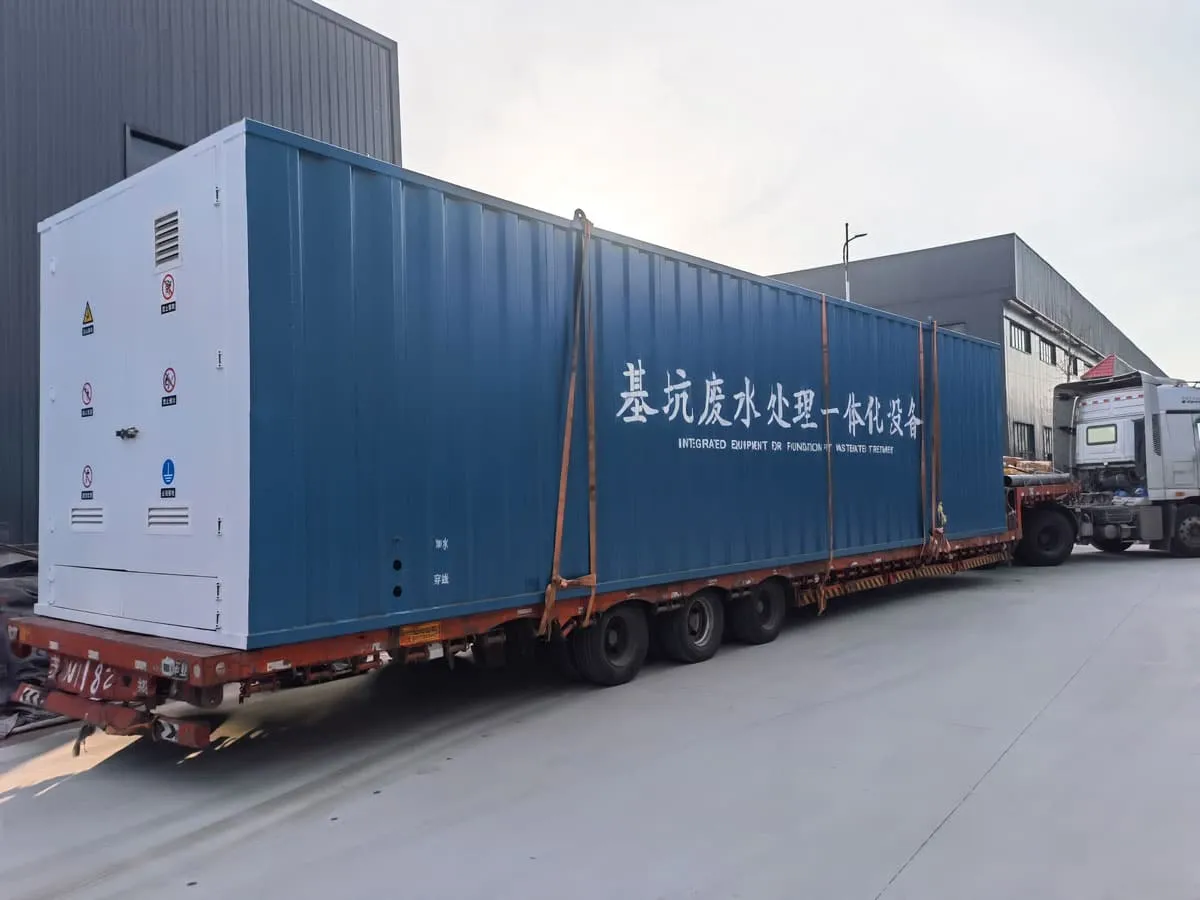
Containerized Plant Roles By Project Condition
The same containerized format can serve different process roles. Early comparison works best when the project team separates delivery form from treatment process.
Reference comparison only. Final dimensions, power, operating conditions, container grouping and process configuration are confirmed after water-quality and project review.
Containerized Wastewater Treatment References
Selected references cover export delivery, modular containerized treatment, rural MBR sewage treatment and landscape-water purification. Project claims remain tied to the listed project context.
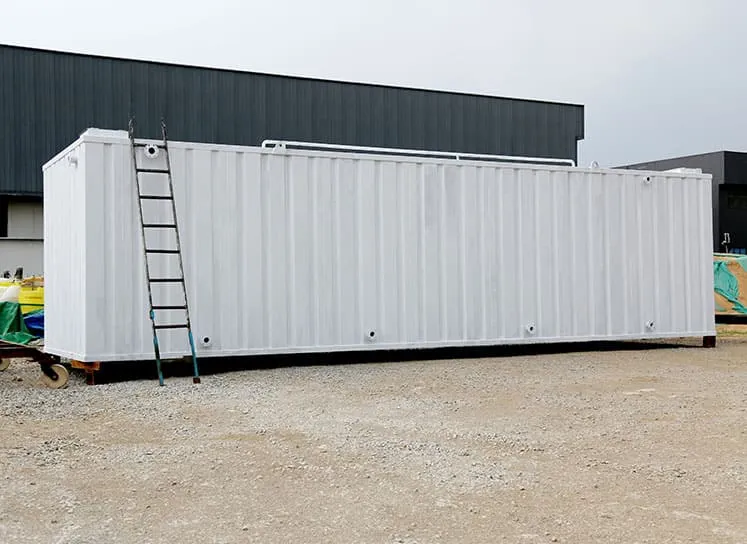
U.S. Containerized Wastewater Project
A containerized wastewater treatment project listed at 2.84 m3/h, approximately 68 m3/day, with pre-shipment coordination for overseas delivery.
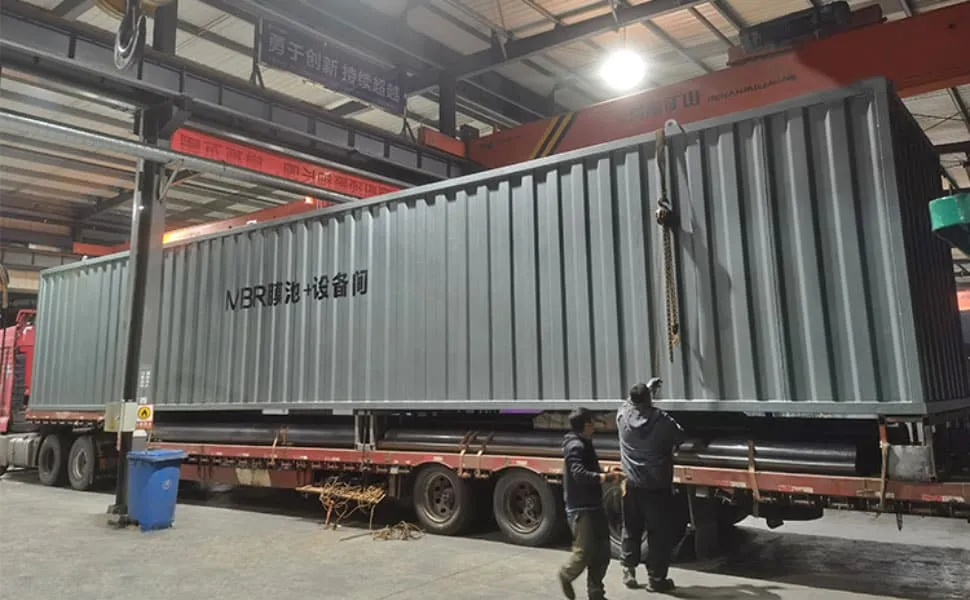
Guangdong Modular Containerized Project
A modular containerized wastewater project using biological treatment with physical and chemical purification processes for a remote construction setting.
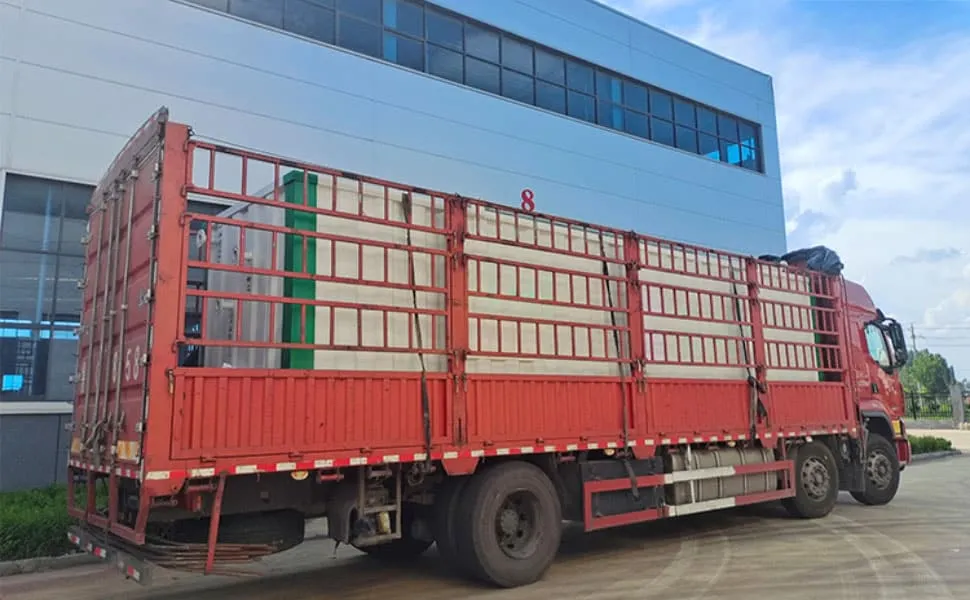
Jiangsu Rural Containerized MBR
A rural containerized MBR sewage project with a listed 100 m3/day capacity and local Class A discharge requirement in its project context.
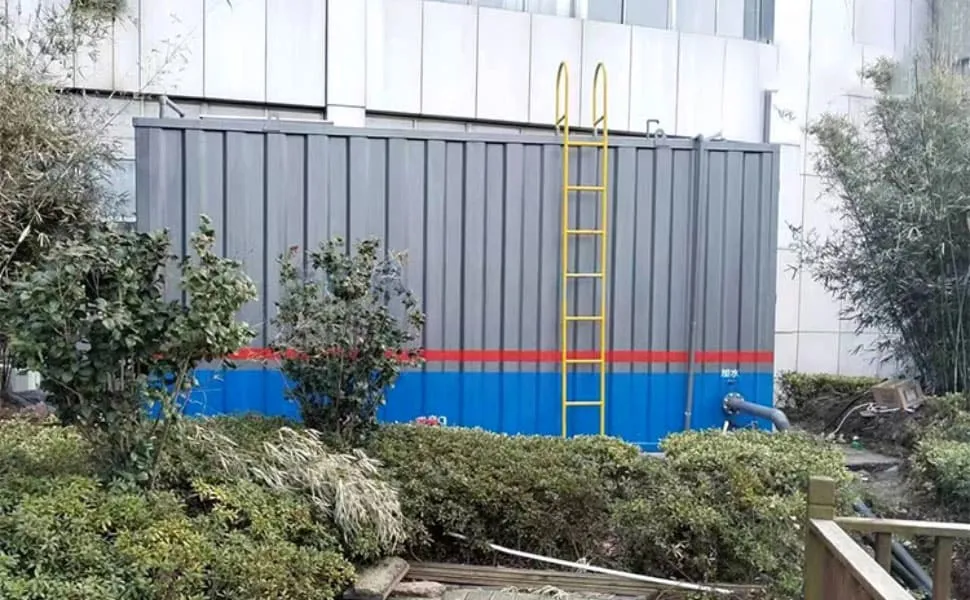
Nanjing Landscape Water Purification
A containerized by-pass purification system for landscape water in Nanjing, with design, manufacturing, installation and commissioning scope.
Factory Review Before Shipment
Containerized projects depend on more than the biological process. Equipment access, pipe labels, lifting points, electrical cabinet placement, spare parts, drawings and commissioning guidance affect how smoothly the site team can connect and operate the system.
Inputs That Make The First Review Useful
Match The Delivery Format With The Treatment Need
Containerized equipment can be the right delivery form, but the process still needs to match wastewater characteristics. Compare the closest product paths before locking the equipment scope.
MBR Systems
Use when membrane separation and compact biological treatment are central to the design.
MBBR Systems
Use when a carrier biofilm process fits the influent, operation style and discharge target.
DAF Pretreatment
Use when oils, flocs or suspended solids need removal before biological treatment.
Packaged Plants
Factory-built packaged plant families can be evaluated before the final container, skid or multi-module arrangement is confirmed.
Send Project Inputs For Containerized System Review
Send one set of water and site data, and our team can review whether the project needs a single container, multiple containers, modular skids, a packaged plant, or a wider treatment system configuration.