Industrial Park Wastewater Treatment

Centralized Wastewater Treatment For Industrial Parks

Mixed tenant wastewater needs more than a product list. We start with source separation, flow variation, pollutant risk and discharge targets, then define the pretreatment, biological, advanced oxidation or ZLD route that fits the shared plant.
Compare Route Options
20+
years of wastewater treatment experience
40,000 m2
factory and workshop area
ISO
9001, 14001 and 45001 references in the material package
Multi-route
DAF, IC, MBR, MBBR, oxidation and modular systems
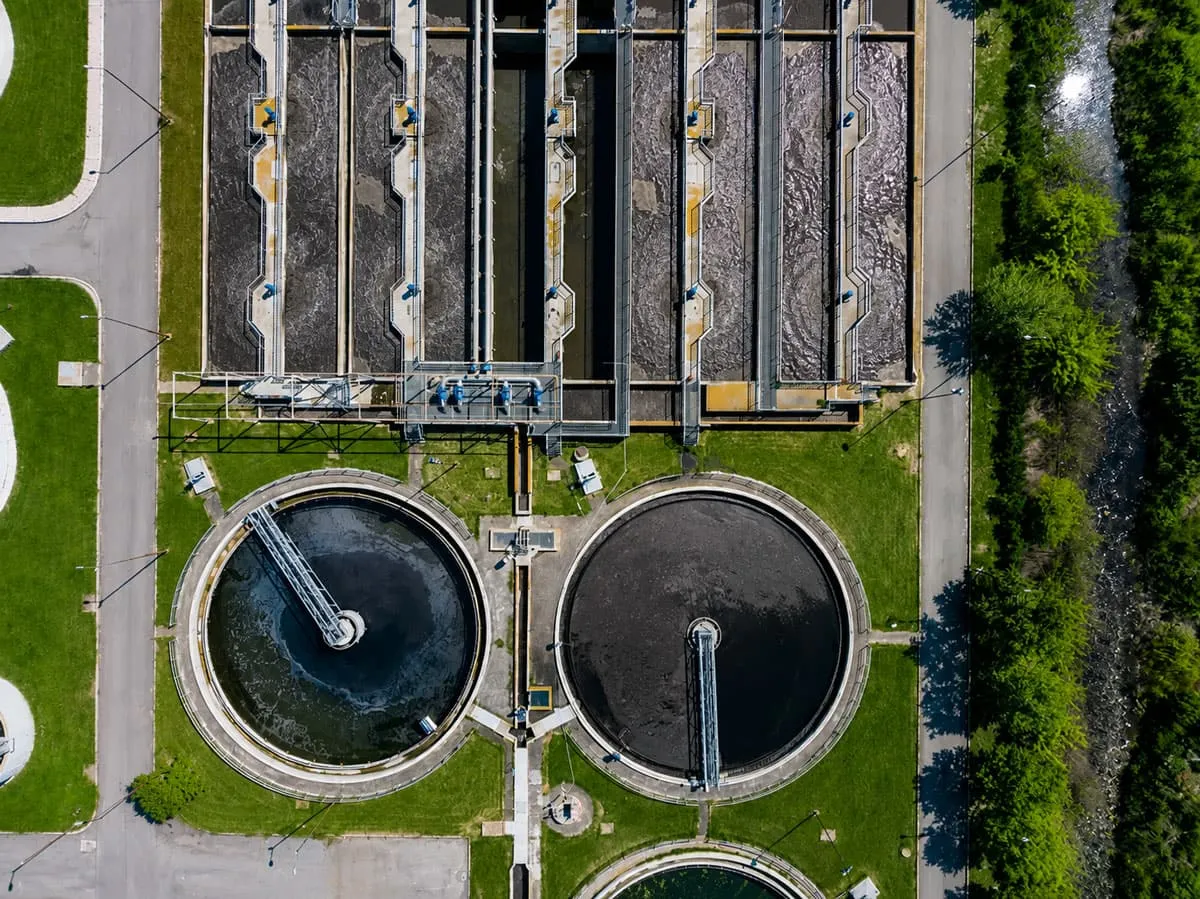
Centralized industrial park wastewater treatment plant
One shared plant, many wastewater sources
Tenant mix, pretreatment discipline and peak flow control shape the full route.
Water Signals

Industrial Parks Need Source Control Before Equipment Selection

Two parks with the same total flow still need different treatment trains when tenant processes, pH swings, emulsified oil, heavy metals, salt, color or refractory COD change. The central plant becomes reliable only when upstream water is classified and controlled.
01
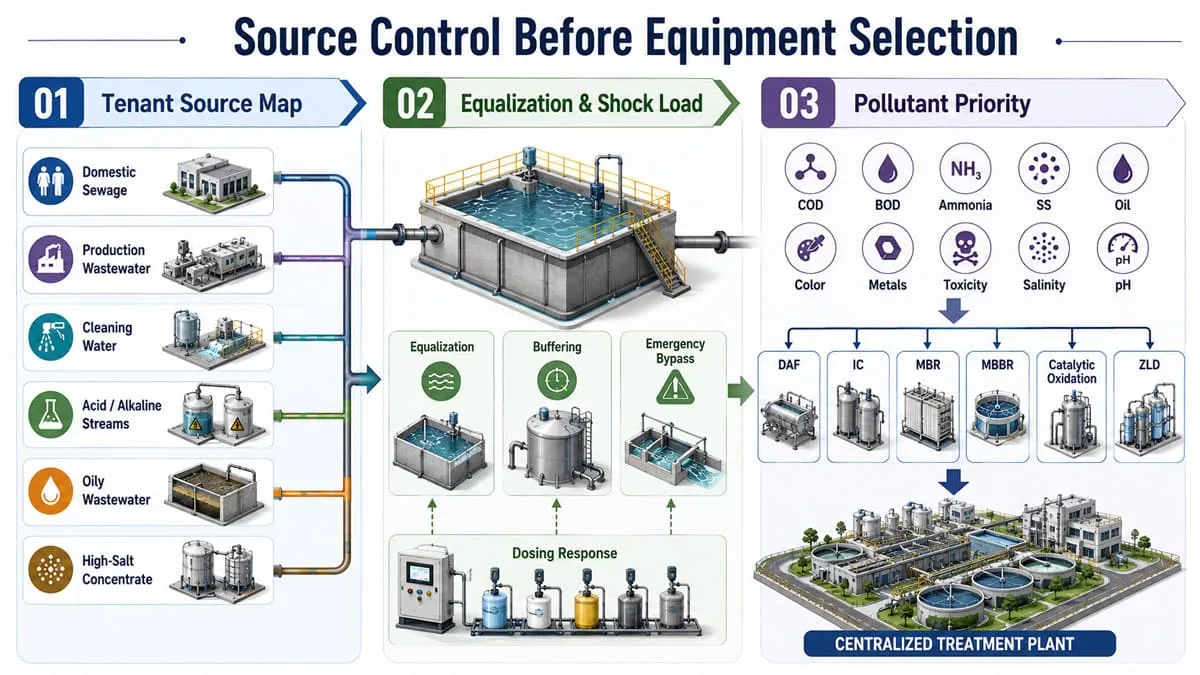
Tenant source mapSeparate domestic sewage, production wastewater, cleaning water, acid or alkaline streams, oily wastewater and high-salt concentrate before sizing the central plant.
02
Equalization and shock-load controlDaily peaks, batch discharge and cleaning cycles affect tank volume, dosing response, biological stability and emergency bypass planning.
03
Pollutant priorityCOD, BOD, ammonia, SS, oil, color, metals, toxicity, salinity and pH decide whether DAF, IC, MBR, MBBR, catalytic oxidation or ZLD needs a place in the route.
diagram showing multiple wastewater sources flowing to a central treatment plant
Tenant source mapping helps define pretreatment duties before water reaches the central plant.
Route Flow

From Tenant Discharge To Central Plant Route

The route below keeps early discussions practical: first classify water, then stabilize flow, then choose the main treatment train and polishing branch.

1

Classify Sources

List tenant processes, discharge frequency, separate high-risk streams and define what must stay out of the mixed sewer.

2

Stabilize Flow

Use screening, pH control, oil separation, equalization and emergency holding where park variation is high.

3

Remove Bulk Load

DAF, sedimentation, anaerobic reactors and biological units handle solids, oil, biodegradable COD and ammonia.

4

Polish Difficult Water

Catalytic self-electrolysis, catalytic ozonation, filtration or membrane concentration enters when biodegradability, color, metals or salt demand it.

5

Define Outlet Path

Discharge, reuse or ZLD evaluation depends on permit targets, concentrate handling, sludge route and operating budget.

Route Matrix

Treatment Routes Change With Tenant Mix And Water Quality

Tenant mix, combined flow, equalization demand, shock-load risk, site layout and outlet requirements determine final equipment sizing.

Park condition Water-quality signal Route to evaluate Motiva equipment or technology path
Oily or high-SS tenant discharge Food processing, machinery cleaning, surface treatment rinse water or mixed workshop wastewater with floatables and suspended solids. Screening, pH adjustment, coagulation, DAF, sedimentation and filtration before biological treatment. DAF System Dosing Sedimentation
High organic load with workable biodegradability COD and BOD are the main loads, with enough biodegradable fraction for biological treatment after pretreatment. Equalization, anaerobic or aerobic biological treatment, secondary clarification, filtration and disinfection as needed. MBBR MBR IC Reactor
Refractory COD, color or toxic organics Low biodegradability, color, heterocyclic organics, pharmaceutical or chemical wastewater influence the central biological stage. Catalytic self-electrolysis, catalytic ozonation, biological treatment and polishing based on test response. FCM-IV SF Series SAO3 / SO
Metals, pH swings or corrosive streams Electroplating, PCB, metal finishing, graphite or chemical tenants bring acidity, alkalinity, chromium, nickel, copper or complexed metals. Segregation, pH correction, precipitation, catalytic self-electrolysis, DAF, corrosion-resistant materials and neutralization. Acidic Route QDPP Tank FCM-IV-A
High salt, RO brine or reuse pressure TDS, chloride, sulfate, RO concentrate or water-reuse targets make ordinary biological discharge planning insufficient. Pretreatment, oxidation or softening, membrane concentration, evaporation, crystallization and concentrate management. ZLD Route SAO3 / SO Filtration
FCM-IV and SF refer to catalytic self-electrolysis / iron-carbon micro-electrochemical pretreatment. SAO3 and SO refer to catalytic ozonation / advanced oxidation polishing. These names need water tests before performance values are used.
Equipment Connections

Central Plants Combine Pretreatment, Biological Treatment And Polishing

Industrial parks rarely rely on one unit. The plant route usually combines several equipment families and changes when tenants, permits or reuse targets change.
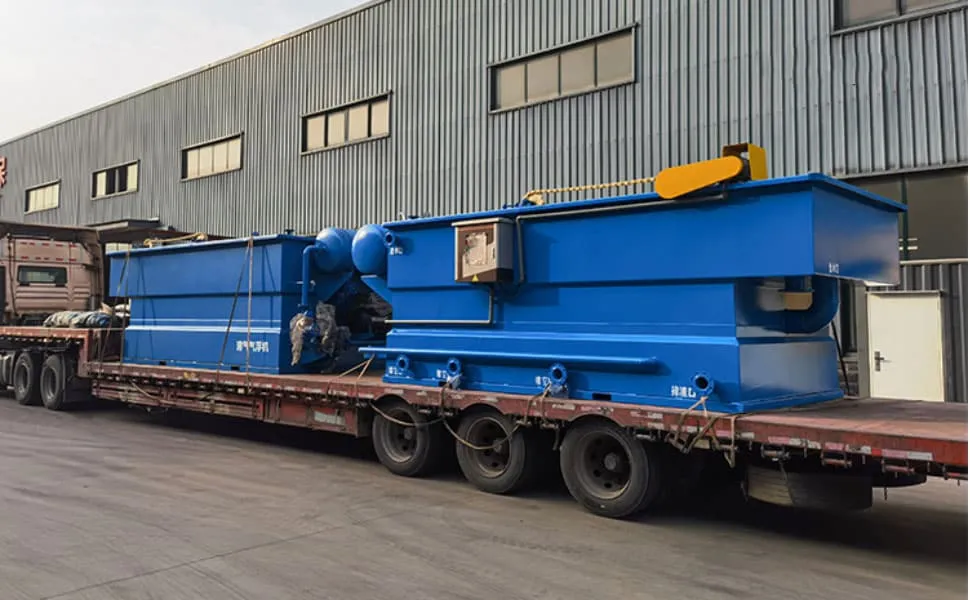
DAF pretreatment equipment for slaughterhouse wastewater
Pretreatment

DAF, Dosing And Sedimentation

Coagulation, flocculation, dissolved air flotation and sedimentation reduce oil, SS and some COD before the shared biological plant.

Compare DAF Systems
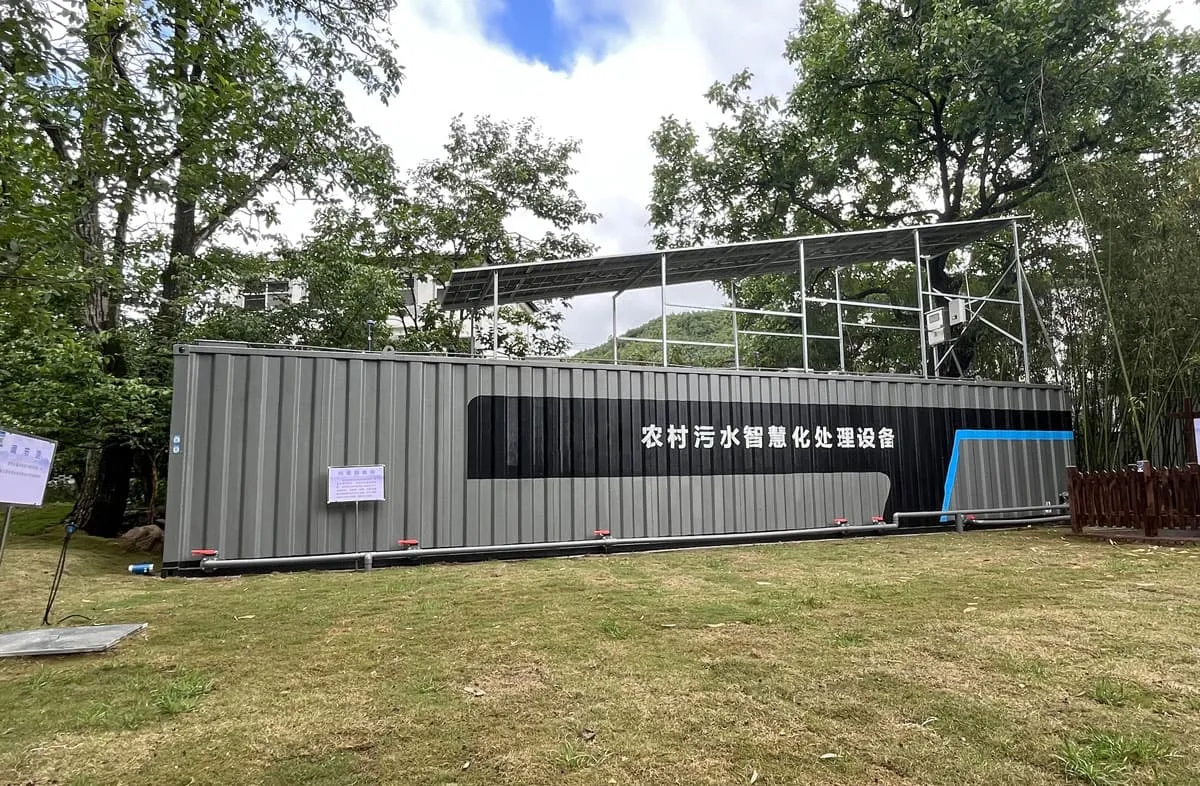
MBR And MBBR Treatment Systems
Biological Stage

MBR, MBBR And IC Reactor

MBBR and MBR support aerobic treatment where water is biodegradable. IC anaerobic reactors fit suitable medium or high COD organic streams after route checks.

Compare MBBR Route
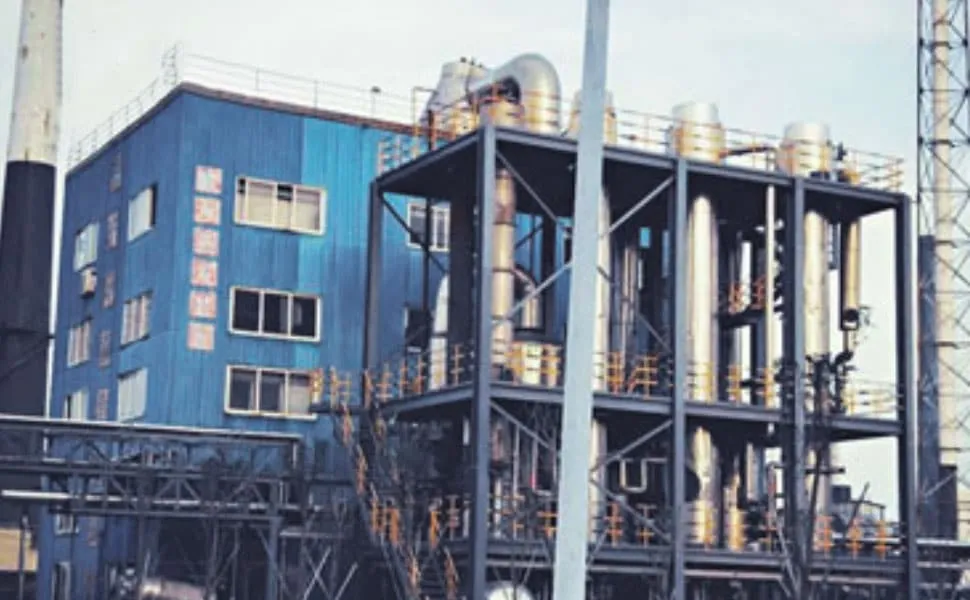
Zero Liquid Discharge (ZLD) Technology for Industrial Wastewater
Polishing

SF, SAO3 / SO And ZLD Branches

Catalytic self-electrolysis, catalytic ozonation, filtration and concentration routes address refractory COD, color, toxicity or salt concerns.

Evaluate ZLD Route
Technology Names

Special Process Names Need A Plain Engineering Explanation

FCM-IV / SF identifies catalytic self-electrolysis materials and reactors, while SAO3 / SO identifies catalytic ozonation materials and reactors. Final selection depends on wastewater data, treatment targets and treatability testing.

Catalytic self-electrolysis

FCM-IV / SF Series

Iron-carbon micro-electrochemical pretreatment supports ring-opening, chain-cleavage, biodegradability improvement, decolorization and heavy-metal reduction under suitable wastewater conditions.

Catalytic ozonation

SAO3 / SO Series

Ozone catalytic oxidation targets residual organic pollutants after pretreatment or biological treatment. Test data belongs to listed conditions and does not become a universal removal value.

Mixed acid recovery

SE Series

SE Series is evaluated for waste acid or mixed-acid streams where recovery, evaporation and anti-scaling behavior matter more than ordinary neutralization alone.

Corrosion-resistant tank route

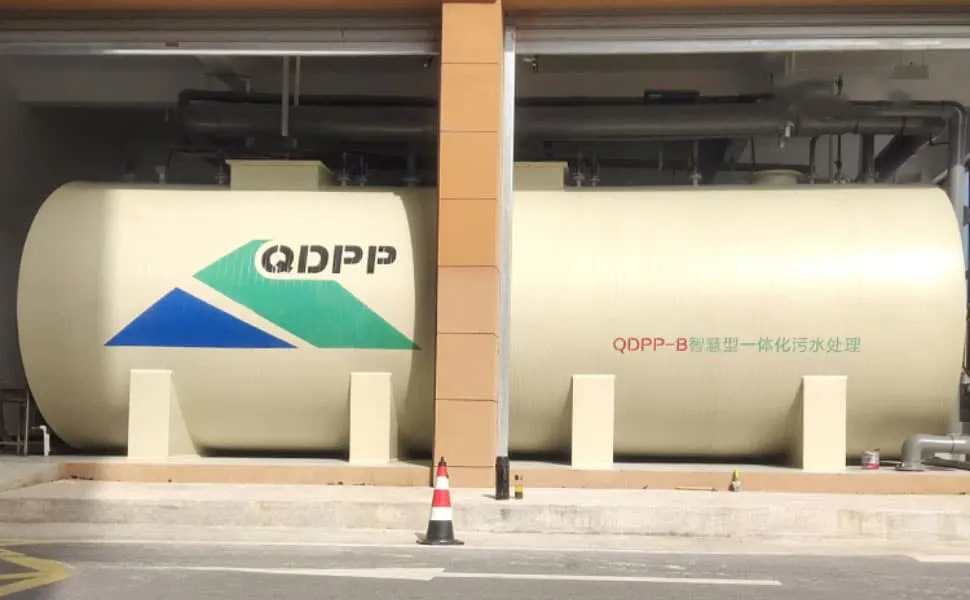
QDPP And PP Equipment

High-modulus polypropylene tank structures support corrosion-sensitive wastewater and compact plant layouts where material selection affects service life and maintenance access.

Selected Industrial Park Projects

Project Conditions Required Before Quotation

Location, combined flow, equipment form and treatment role must be compared together; final performance remains project-specific.
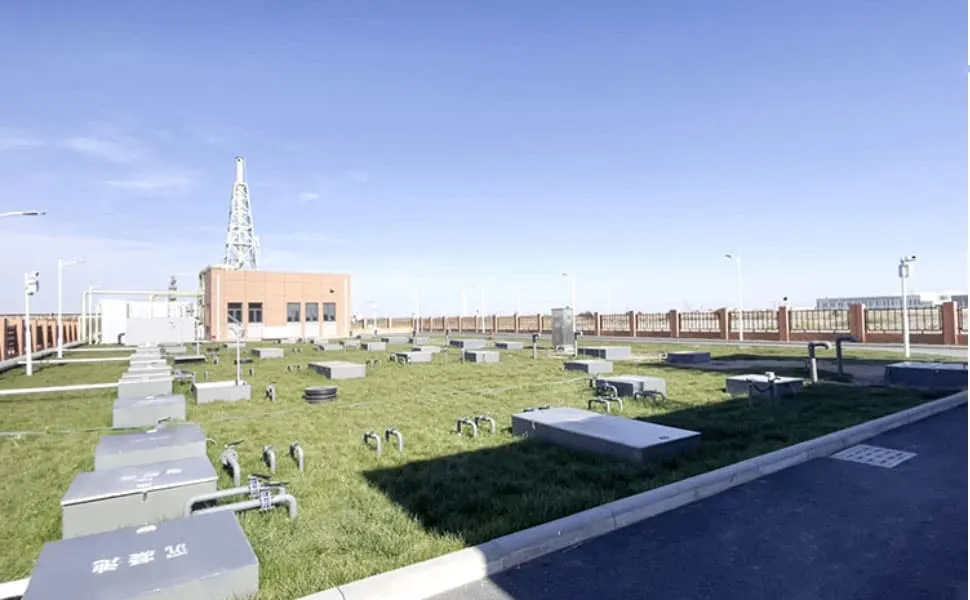
Tianjin logistics park underground wastewater treatment project visual

Tianjin Logistics Park Underground Plant

A 2000 m3/d underground wastewater treatment plant record for a logistics park and urban industrial setting.
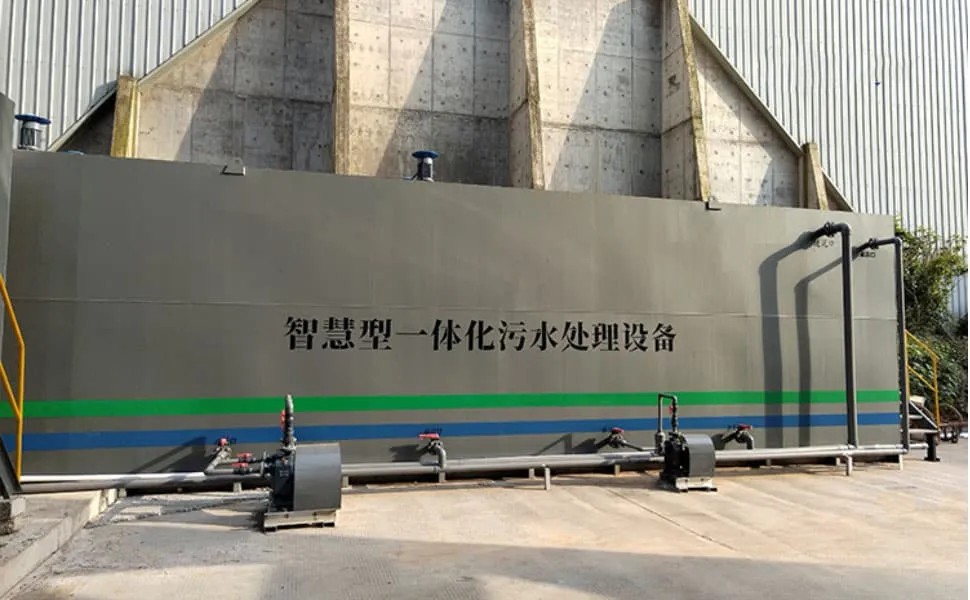
Location
Tianjin
Flow
2000 m3/d
Form
Underground plant
Hunan industrial wastewater treatment plant project visual

Hunan Industrial Wastewater Plant

A 300 m3/d industrial wastewater treatment plant record for route discussions around industrial wastewater load and plant configuration.
Location
Hunan
Flow
300 m3/d
Use
Industrial wastewater
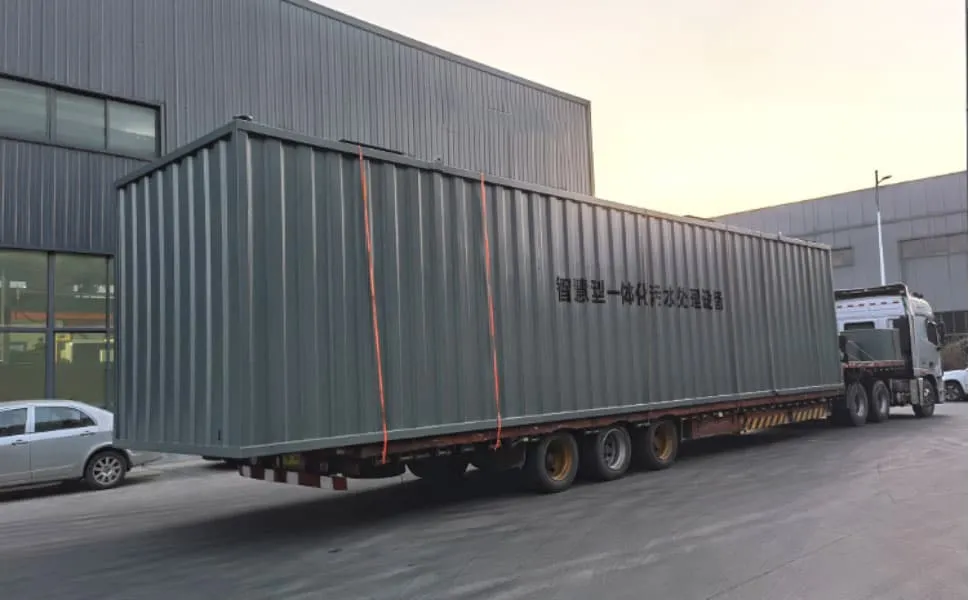
300 m3 per day modular containerized wastewater treatment project

Guangdong Modular Containerized Project

A 300 m3/d modular containerized wastewater treatment record connected with MBR, MBBR, DAF and integrated equipment.
Location
Guangdong
Flow
300 m3/d
Route
MBR / MBBR / DAF
Anhui medical QDPP integrated sewage treatment equipment project

Anhui Integrated Industrial Equipment

An integrated wastewater treatment equipment record for industrial applications where equipment form and route fit need project-specific definition.

Location
Anhui
Use
Industrial applications
Form
Integrated equipment
Data Inputs

Send The Data That Actually Changes The Park Route

Good early data reduces guesswork around plant scale, tenant pretreatment, chemical dosing, sludge handling, advanced oxidation and reuse or ZLD planning.

Tenant list
Industry type, production process, discharge points, batch schedule and wastewater segregation plan.
Flow profile
Average flow, peak flow, operating hours, rainy-season influence and future expansion reserve.
Water quality
COD, BOD, SS, oil, ammonia, TN, TP, pH, TDS, color, metals, toxicity and temperature.
Outlet target
Discharge standard, reuse target, receiving body, brine handling path and monitoring requirements.
Motiva RFQ / Water Data Form

Prepare Industrial Park Wastewater Data For Route Selection

Send the park source data, flow, water-quality indicators, outlet target, site limits and preferred delivery form through the Motiva RFQ / Water Data Form. Our team will evaluate the relevant DAF, MBR, MBBR, IC reactor, advanced oxidation, modular or ZLD route.

Compare Equipment Families

Motiva RFQ / Water Data Form

Water reports, drawings and site photos are useful, but the first review can start with basic flow, pollutant and site information.

Attach PDF, Excel or image reports when available. Actual configuration depends on wastewater characteristics and project requirements.

Great! We have received your message. Someone in charge will contact you shortly.

We are unable to process your submission. Please try again.

FAQ

Industrial Park Wastewater Treatment Questions

These answers keep early route selection focused on water quality, tenant control and practical plant constraints.

Is an industrial park plant different from a normal industrial wastewater plant?

Yes. A park plant receives wastewater from multiple tenants, so the main task is to control source variation before it destabilizes the central treatment train.

When does a tenant need separate pretreatment?

Separate pretreatment is usually evaluated for strong acid or alkaline streams, heavy metals, high oil, high salt, toxic organics, high temperature or batch discharge that disrupts the shared plant.

Where do FCM-IV, SF, SAO3 and SO fit?

FCM-IV and SF fit catalytic self-electrolysis discussions for refractory organics or metals. SAO3 and SO fit catalytic ozonation discussions for advanced polishing. Both need water testing before performance values are used.

Does every industrial park wastewater plant need ZLD?

No. ZLD is evaluated when salt, brine, reuse targets, permit conditions or concentrate handling make a discharge-only route unsuitable.

Ready To Define A Centralized Park Route?

Send tenant sources, water-quality data, flow profile and outlet target for an early route discussion.

滚动至顶部

Request A Quote

Attach PDF, Excel or image reports when available. Actual configuration depends on wastewater characteristics and project requirements.

Great! We have received your message. Someone in charge will contact you shortly.

We are unable to process your submission. Please try again.