Match Wastewater Source To The Right Treatment Route
Flow rate, pollutant profile, discharge target, site layout and material requirements decide the route before equipment is selected. We review those inputs to connect domestic sewage, industrial wastewater, leachate, acidic wastewater and ZLD projects with practical treatment systems.
Six Routes For Early Treatment Review
Start with the wastewater source and treatment target, then move into the equipment route. Each route can connect to product selection, project design inputs and the shared water data form.
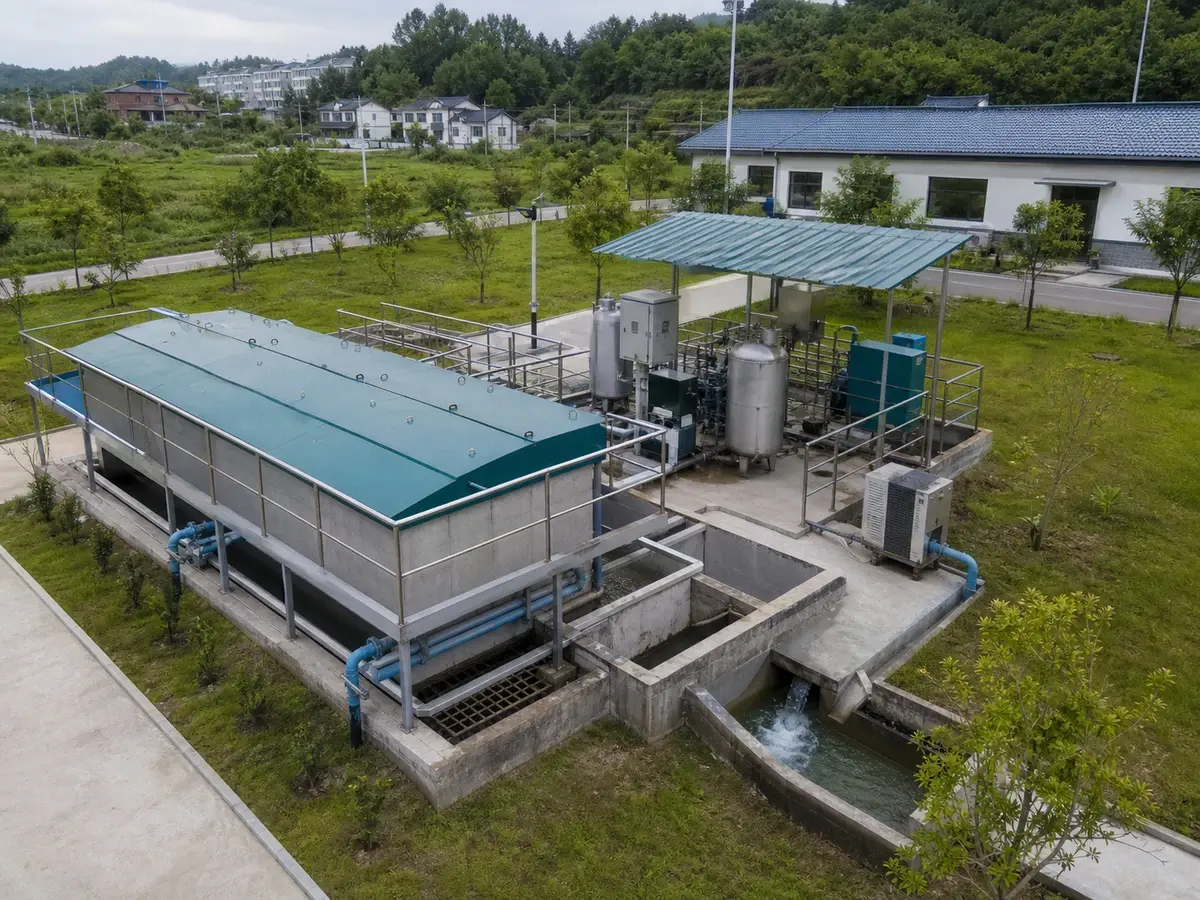
Domestic Sewage Treatment
For villages, camps, scenic areas, commercial facilities and decentralized sewage where compact biological treatment and stable operation matter.
Review Domestic Sewage Routes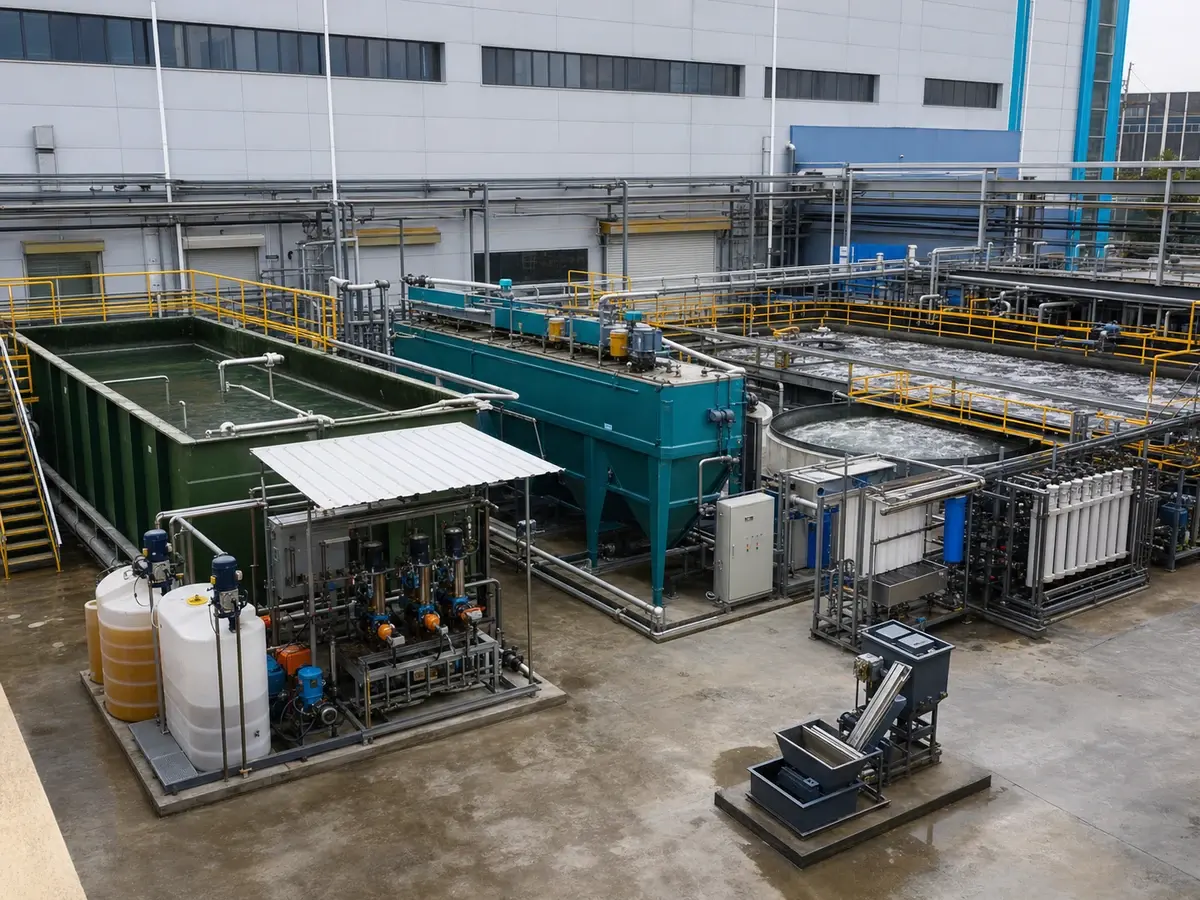
Industrial Wastewater Treatment
For COD, oil, SS, color, heavy metals, salinity or mixed pollutants from food, textile, chemical, refinery, electroplating and other plants.
Evaluate Industrial Wastewater Routes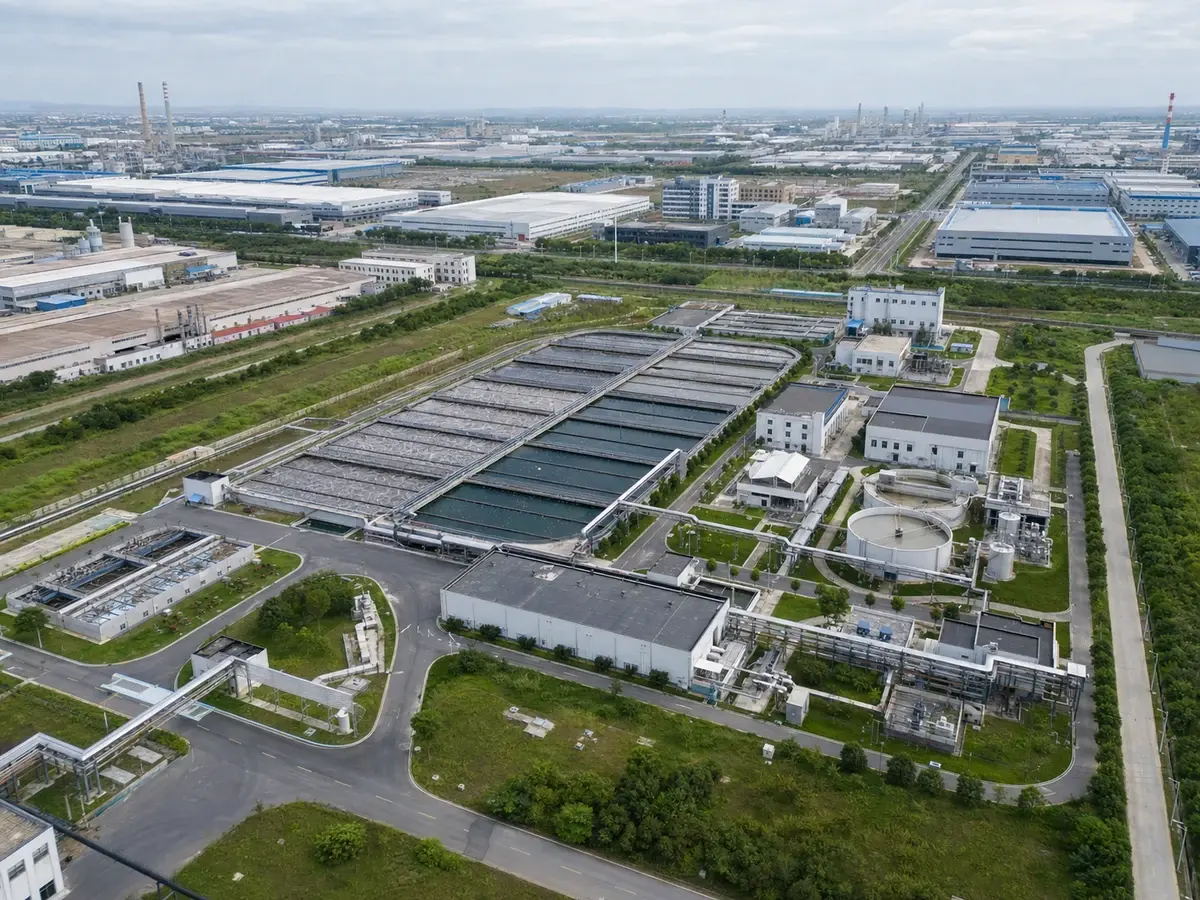
Industrial Park Wastewater Treatment
For centralized collection, mixed influent, pretreatment coordination and upgrading projects where incoming wastewater can vary by tenant.
Define Industrial Park Inputs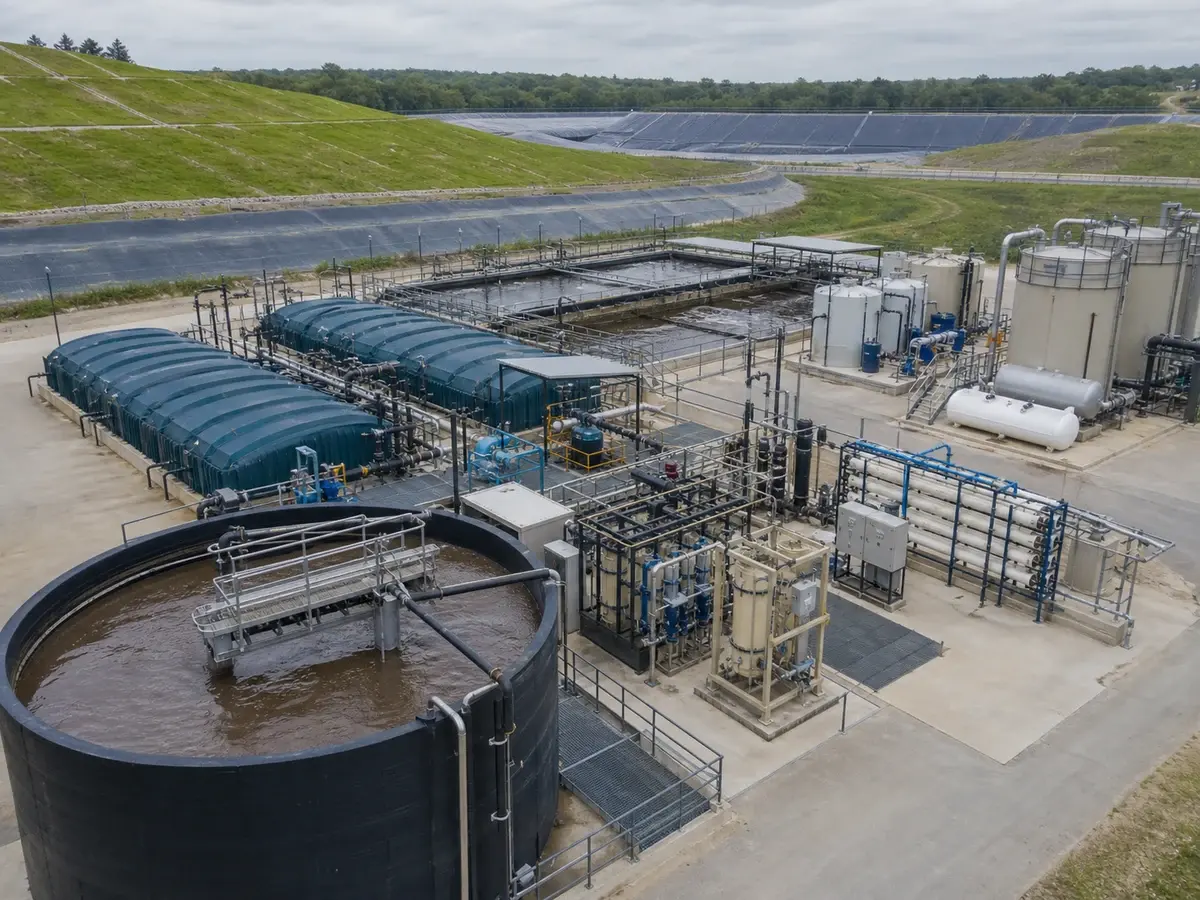
Leachate Treatment System
For landfill, waste incineration and hazardous waste leachate where ammonia, COD, color and variability require careful route review.
Review Leachate Routes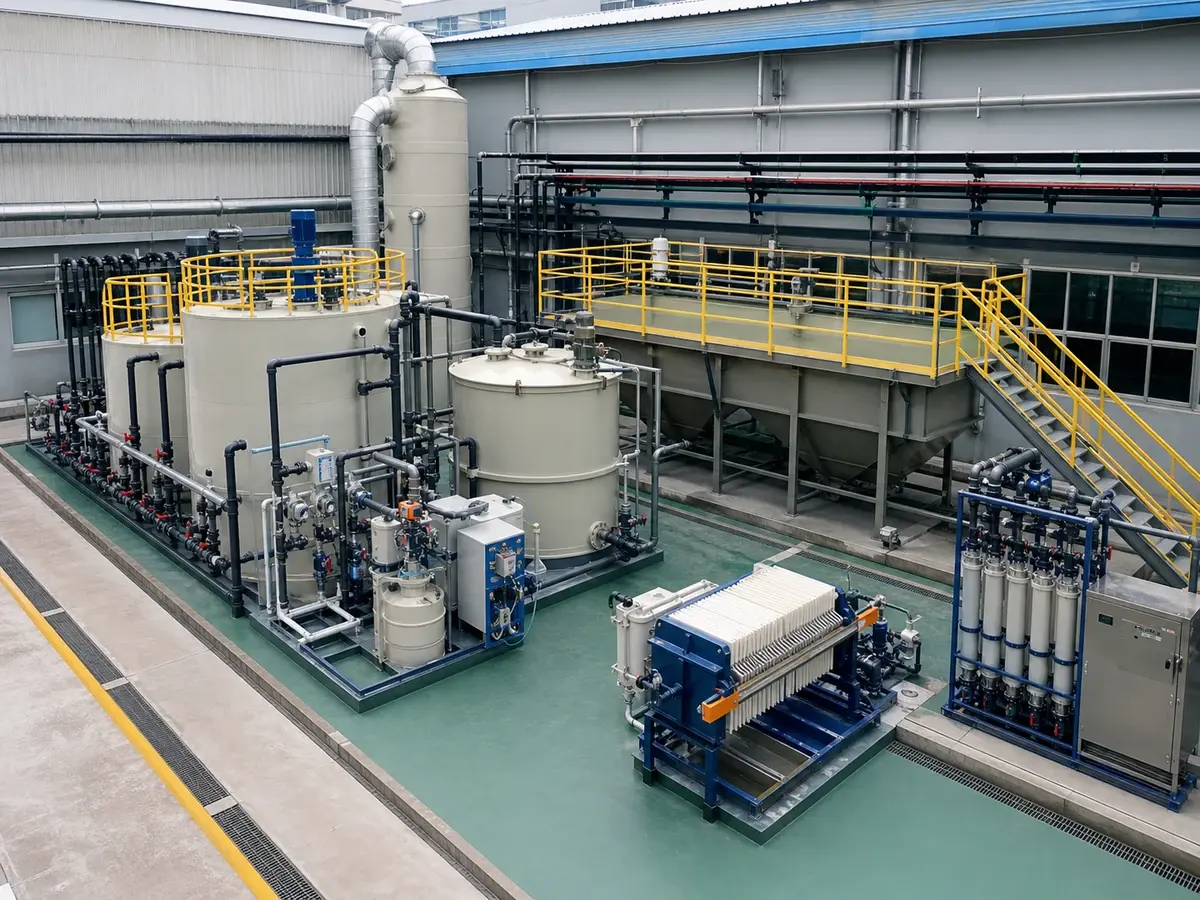
Acidic Wastewater Treatment
For metal processing, graphite and chemical projects where pH, mixed acid value, recovery potential and corrosion resistance must be checked.
Evaluate Acidic Wastewater Routes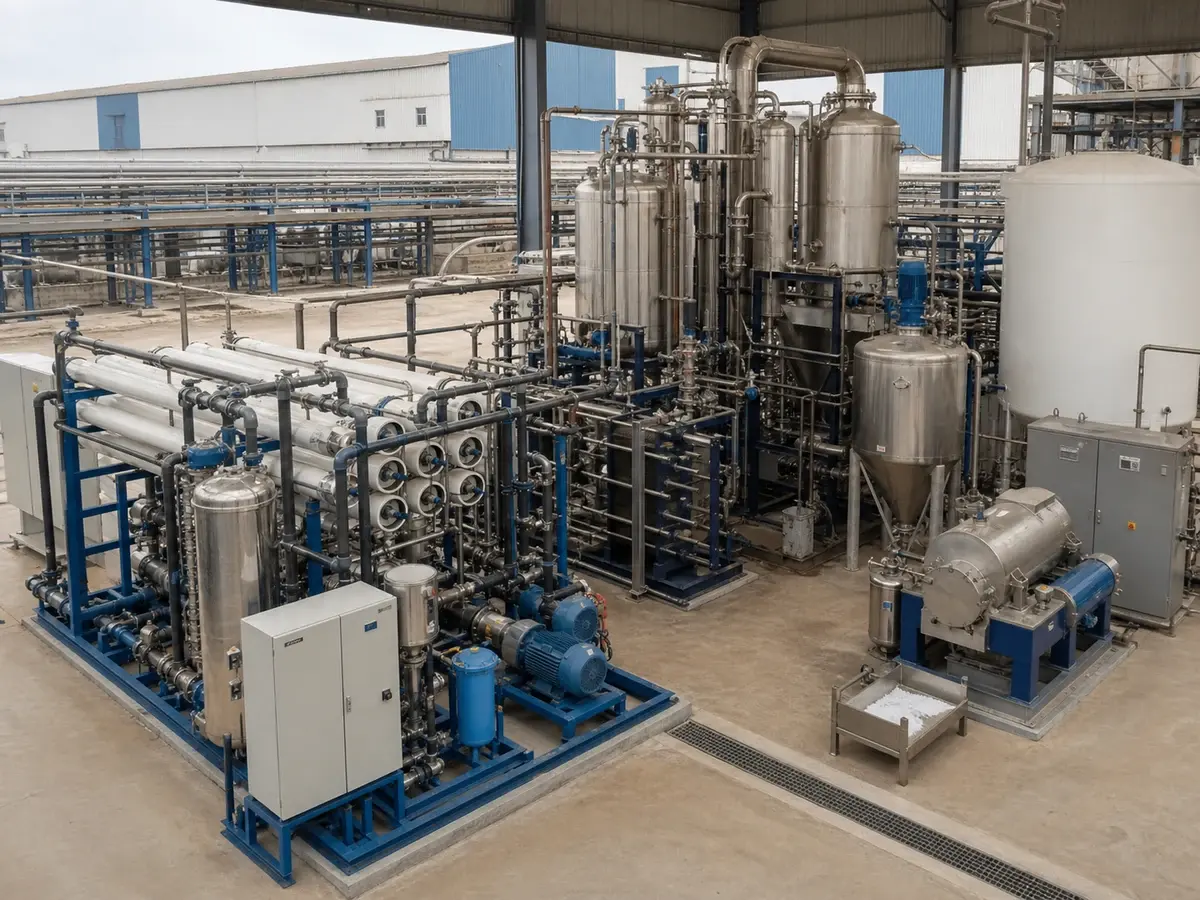
Zero Liquid Discharge System
For high-salt wastewater, RO brine, coal chemical wastewater or reuse targets where pretreatment, concentration and crystallization route decisions are critical.
Select ZLD Review PathFrom Water Data To Product Scope
Equipment selection becomes clearer after the influent profile, discharge target and site requirements are defined. The review path keeps packaged systems, pretreatment units, biological treatment and advanced treatment in the right order.
Define Wastewater Source
Confirm domestic sewage, industrial process wastewater, park collection, leachate, acidic stream or high-salt wastewater.
Check Pollutant Pressure
Review COD, BOD, SS, ammonia nitrogen, pH, TDS, salinity, oil, color, heavy metals and temperature when available.
Select Process Stages
Combine pretreatment, DAF, biological treatment, catalytic oxidation, filtration, concentration or evaporation based on the target.
Confirm Equipment Scope
Choose packaged plants, MBR, MBBR, QDPP tanks, DAF, IC reactors, dosing, filters or advanced treatment units after route review.
Prepare RFQ Inputs
Send flow rate, water-quality data, site layout, discharge or reuse target, material requirements and delivery expectations for proposal review.
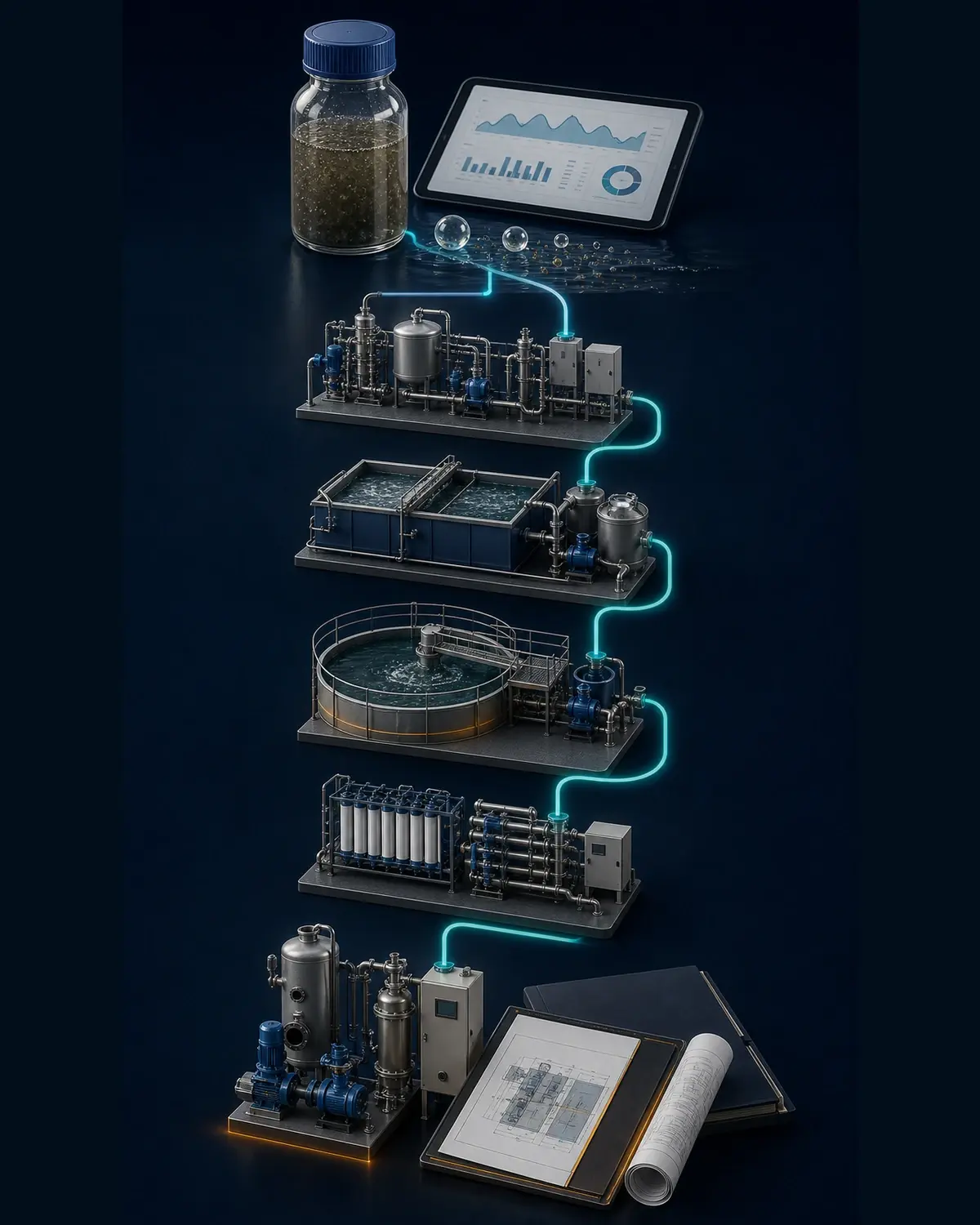
Treatment Routes Change With Water Quality
Route options below are starting points. Final sizing, power, operating cost, dosing, material and discharge performance are confirmed after wastewater and project review.
FCM-IV / SF, SAO3 / SO, SE acid-recovery and leachate-treatment routes are evaluated against water quality before sizing, dosage, energy use or performance expectations are confirmed.
FCM-IV / SF
Catalytic self-electrolysis materials or reactors are reviewed for refractory COD, color, selected metals, oil/emulsion and biodegradability improvement before downstream treatment.
Evaluate Industrial Route FitSAO3 / SO
Ozone catalytic oxidation is reviewed for organic wastewater and advanced polishing where oxidation response, reaction time and downstream targets need testing.
Review Oxidation In ZLDSE Series
Mixed acid recovery and acidic wastewater treatment routes may use ultra-low-temperature evaporation and anti-scaling design for waste acid or mixed acid streams.
Evaluate Acidic WastewaterSFAO3
Leachate review may include source-specific advanced oxidation, biological treatment and polishing instead of treating leachate as a generic industrial stream.
Review Leachate RouteIC Reactor
IC internal circulation anaerobic reactors are reviewed for medium or high-concentration organic wastewater where anaerobic load, shock resistance and downstream treatment matter.
Review IC Reactor ScopeProduct Families Connected To Solution Routes
Some products form the main treatment stage; others support collection, pretreatment, conditioning, polishing or delivery form. The final scope depends on wastewater characteristics and project requirements.
Packaged And Modular Biological Systems
Factory-built routes for compact domestic sewage, decentralized projects and small to medium organic wastewater treatment.
MBR And MBBR Biological Treatment
Biological treatment systems for projects where organic load, ammonia control, footprint and effluent target affect process choice.
DAF Pretreatment Systems
Dissolved air flotation supports pretreatment for oil, suspended solids, light flocs, colloids and selected industrial wastewater routes.
QDPP PP Integrated Tanks
High-modulus polypropylene tanks support corrosion-sensitive or compact integrated sewage treatment routes.
Anaerobic Reactors And Process Support
IC internal circulation anaerobic reactors can form a core anaerobic stage for medium and high concentration organic wastewater when load, biodegradability and downstream treatment support that route.
Advanced Treatment And ZLD Route Units
High-difficulty routes may use catalytic self-electrolysis, ozone catalytic oxidation, acid recovery or ZLD treatment trains.
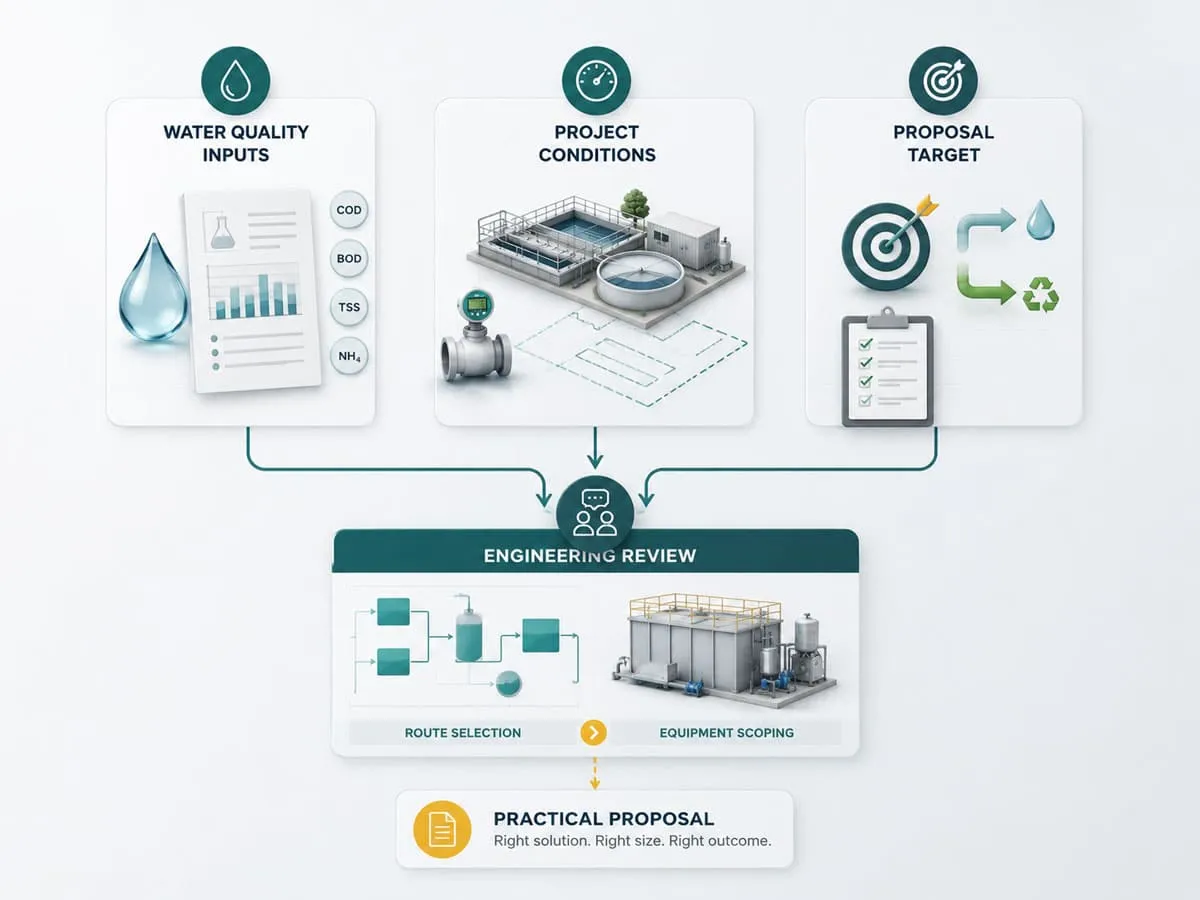
Data Needed For A Practical Proposal
Early route review can begin with partial data. A water-quality report, flow range and project target make equipment sizing, material choice, route selection and quotation more useful.
Water Quality
Project Conditions
Proposal Target
 Water Data Review | 4:3
Start With The Available Data
When full lab indicators are not ready, send the wastewater source, approximate flow, current process and discharge target first. The missing data can be clarified during review.
Applications Across Wastewater Sources
Selected applications include decentralized sewage, DAF pretreatment, containerized systems and PP integrated tank projects. Results remain project-specific and depend on the wastewater source, capacity, equipment route and project conditions.
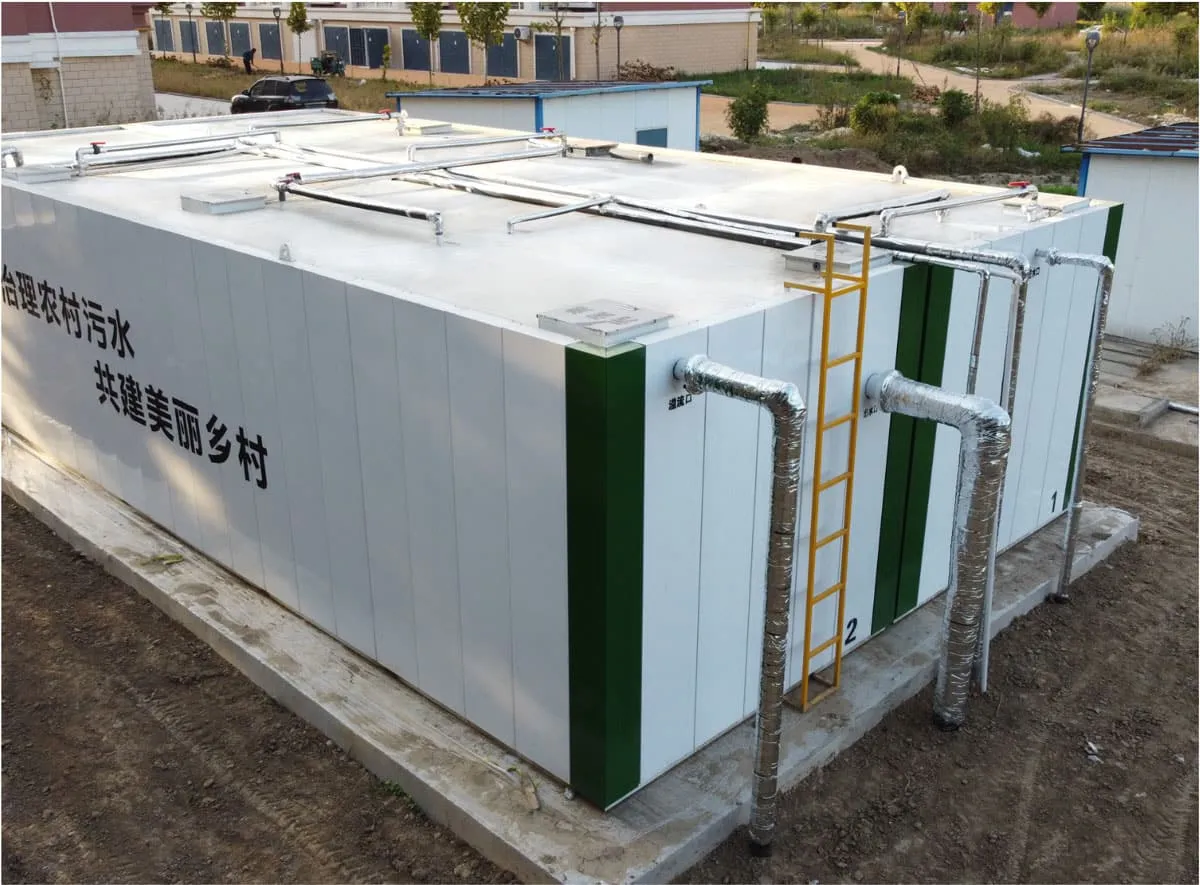 Domestic Sewage Project | 4:3
Decentralized Sewage
Rural, commercial, camp and scenic-area projects often need compact biological treatment with clear operation inputs.
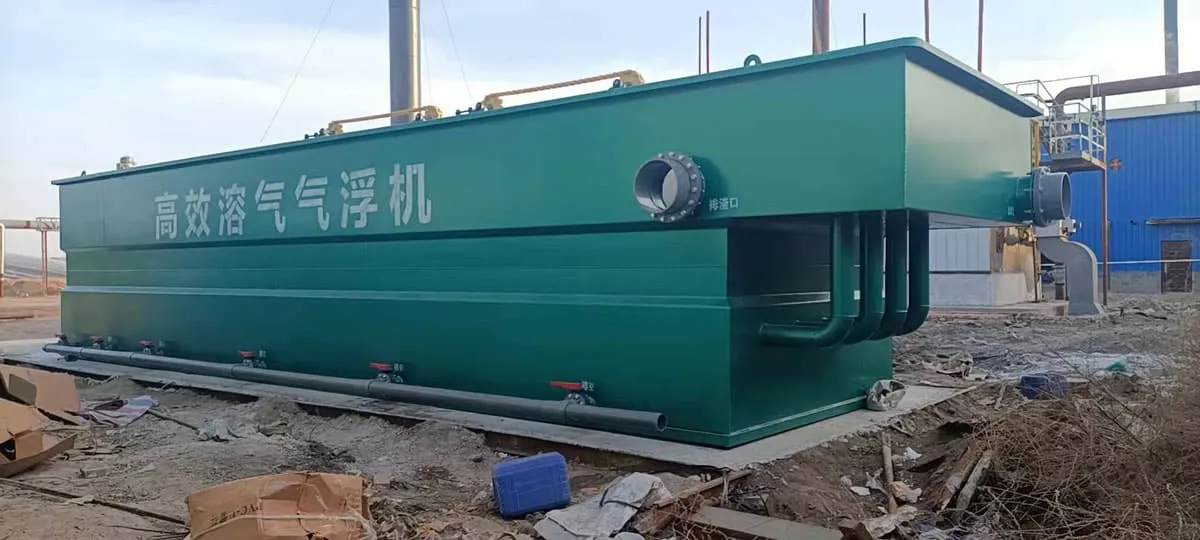 DAF Pretreatment | 4:3
Food And Slaughter Wastewater
Oil, SS and light flocs often push DAF and dosing review before biological treatment selection.
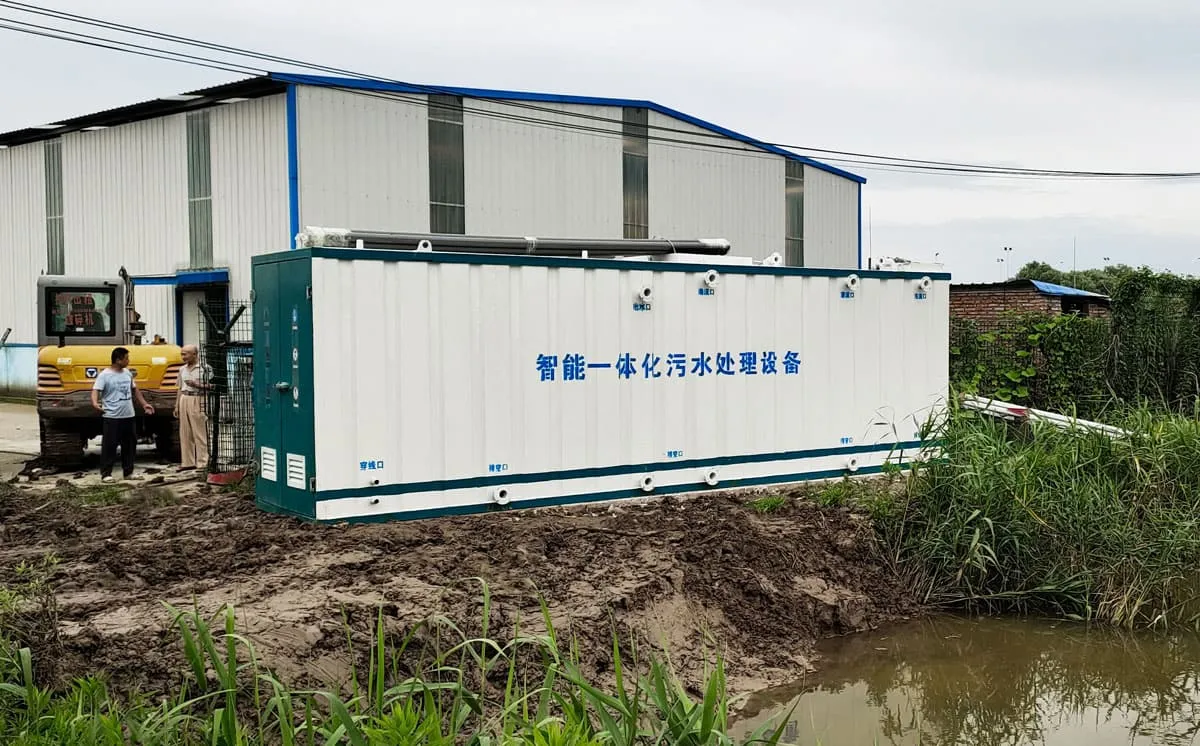 Containerized System | 4:3
Containerized And Modular Systems
Export, temporary or compact projects may require module count, shipping limits and site installation review.
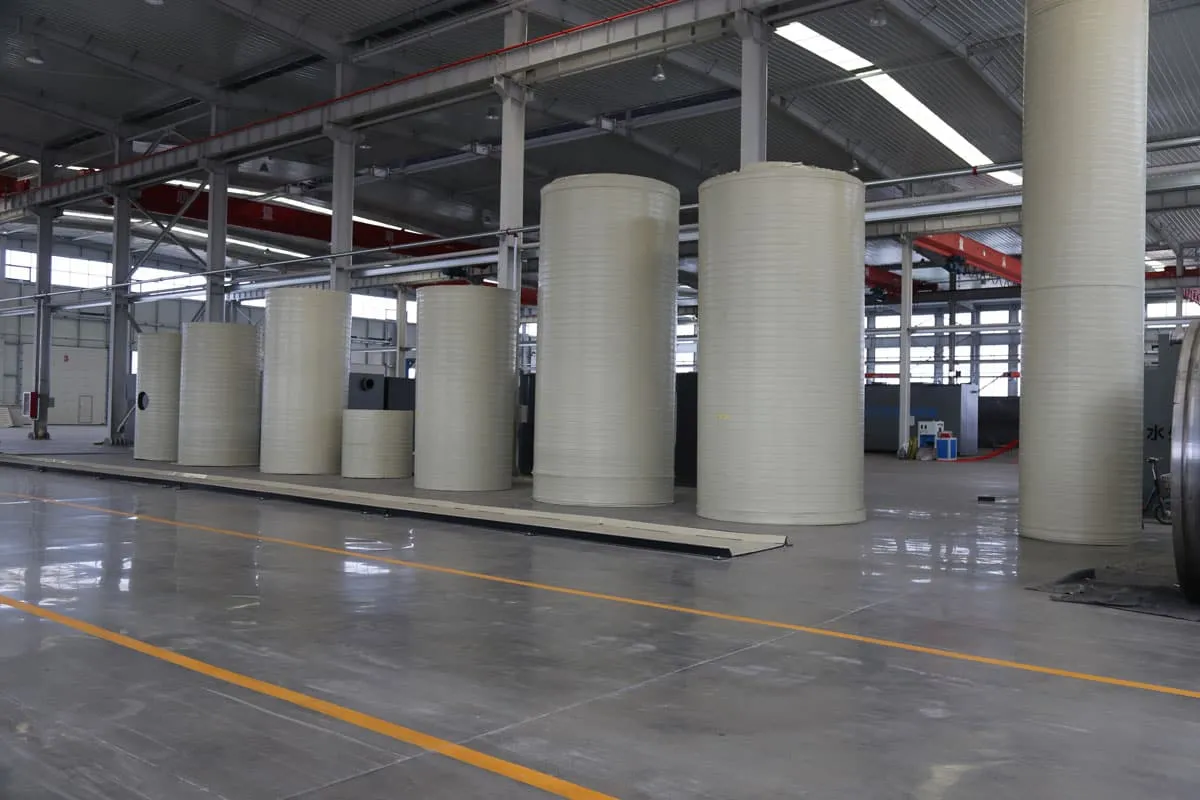 QDPP PP Tank Project | 4:3
PP Integrated Tanks
Corrosion-sensitive, compact or buried applications can require PP tank structure and material review.
Common Treatment Route Questions
A final proposal depends on wastewater characteristics, site conditions and the target standard.
Send One Set Of Project Inputs For Route Review
Use the Motiva RFQ / Water Data Form for solution review, equipment selection or complete system RFQ. Our team can review the route without asking you to restart the inquiry for a different product family.