Modular Wastewater Systems For Small-Flow And Expandable Projects
Motiva modular wastewater treatment systems cover QD Tank small-flow units from 1-24 m3/day and MV-Type modular vertical plants from 30-500 m3/day. Flow rate, people served, site layout, terrain, module count and outlet target guide the final selection.
Choose QD Tank Or MV-Type By Flow And Site Conditions
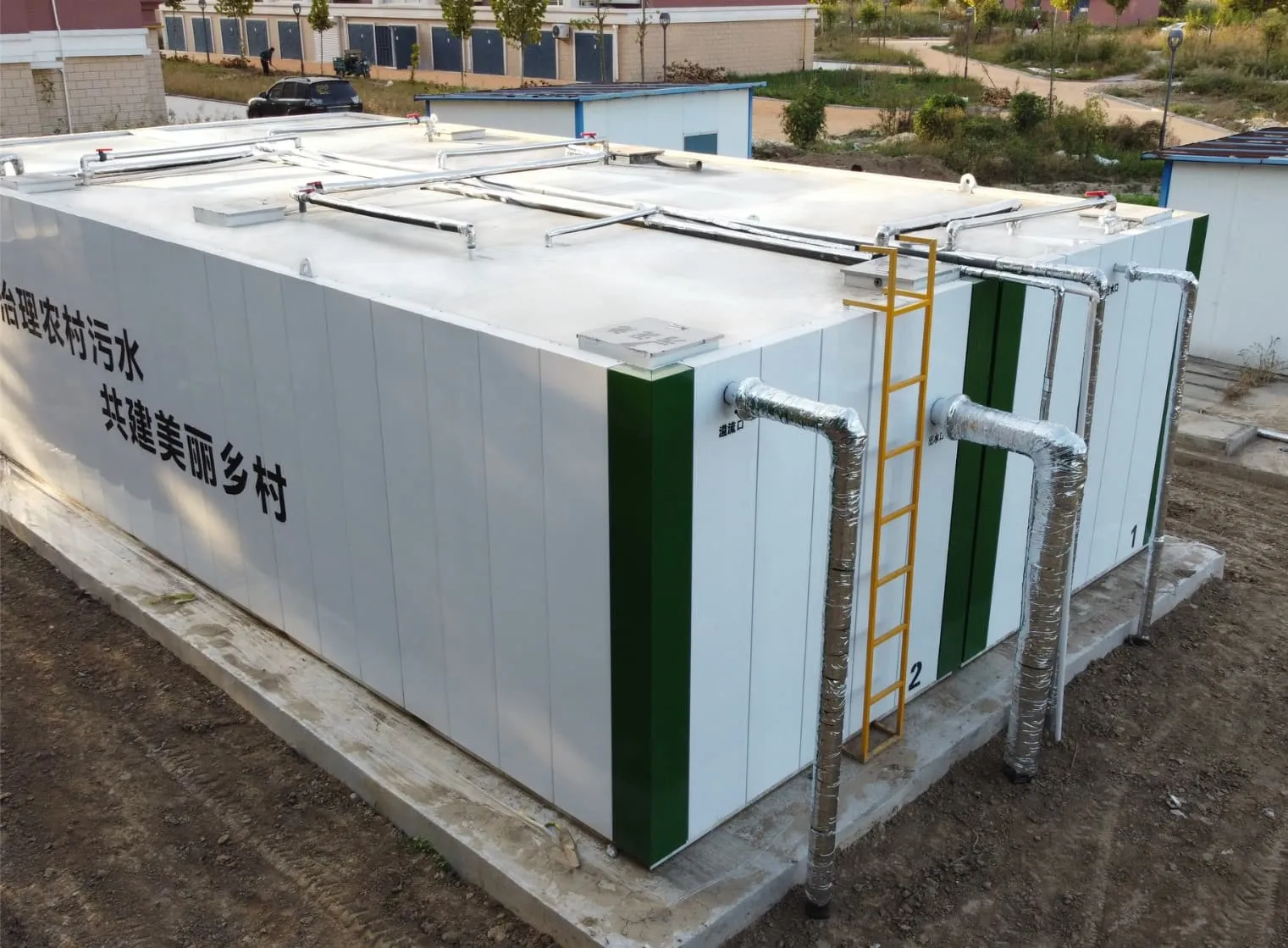
QD Tank and MV-Type both support modular wastewater treatment, but they serve different project ranges. QD Tank focuses on small water volumes and compact single-unit deployment, while MV-Type supports village, township and difficult-terrain projects with multiple treatment modules.
Small-Flow Modular Unit
QD Tank integrates the Phoredox process and MBR membrane in one skid-mounted tank. It is reviewed for 1-24 m3/day projects where people served, limited space, voltage, disinfection and sludge discharge method matter early.
Modular Vertical Plant
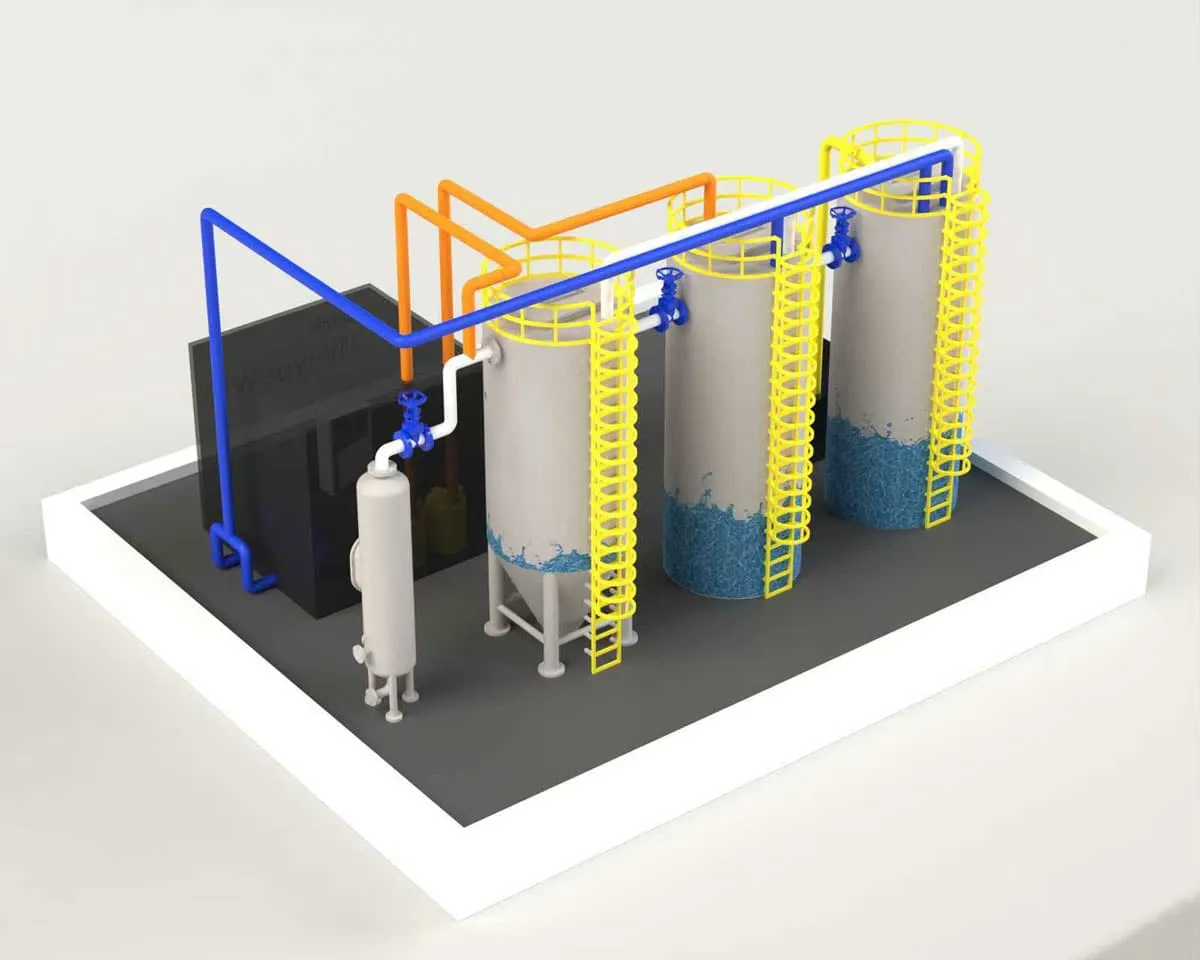
MV-Type uses AAO, MBBR, high-efficiency sedimentation and high-efficiency filtration. It is reviewed for 30-500 m3/day projects where terrain, module count, operating weight and site access shape the layout.
Two Modular Configurations, Different Engineering Signals
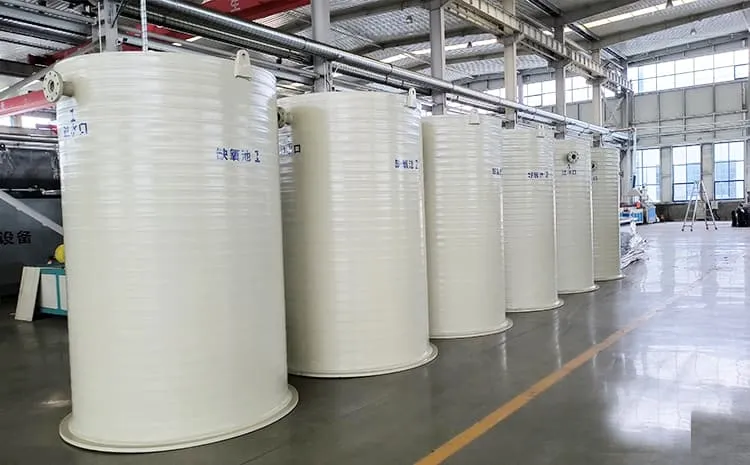
The modular format does not remove process selection. QD Tank is a compact small-flow configuration with Phoredox and MBR membrane separation in one tank. MV-Type is a larger modular vertical configuration combining AAO, MBBR, sedimentation and filtration for decentralized communities and difficult sites.
QD Tank Small-Flow Reference Parameters
QD Tank supports small water-volume projects from 1 to 24 m3/day. The rows below support early project screening; final dimensions and configuration are confirmed with wastewater data and site requirements.
QD Tank non-standard sizing can be reviewed when project conditions require it. Final drawings confirm project dimensions, configuration and installation details.
MV-Type Modular Vertical Reference Parameters
MV-Type models support 30-500 m3/day projects. The table emphasizes treatment capacity, module count, set count, weight and power, which are usually more useful than a single dimension value during early procurement screening.
Operating weight is model-specific and supports early logistics review. Final lifting, shipping, foundation and layout data are confirmed in project drawings.
Match Modular Equipment To Flow, Terrain And Access
The same daily flow can require different modular layouts depending on pollutant concentration, hydraulic peaks, discharge target, land use, lifting conditions and operator access.
Review Chaos Cloud Platform When Remote Control Matters
For modular projects that need centralized operation, remote visibility or multi-site maintenance support, Motiva can review Chaos Cloud Platform requirements together with the electrical control scope. The platform direction is selected by project need, control cabinet design, communication conditions and operator responsibilities.
Track Operating Data
Review flow, equipment status, alarms and operating records through cloud-connected monitoring when the project control scope includes the platform.
Adjust Parameters Remotely
Remote parameter review and adjustment can be considered for pumps, aeration, dosing or other controlled units according to the final automation design.
Prepare Faster Fault Response
Alarm notifications and operating data help maintenance teams identify abnormal equipment behavior before arranging site service or process adjustment.
Support Computer And Mobile Use
Cloud access can support operators who need remote visibility across scattered rural, township, facility or project-site treatment points.
Where Modular Wastewater Systems Fit
Modular equipment is useful when treatment capacity, site access and installation form need to be scaled without designing a civil-heavy treatment plant from the first step.
Rural Homes And Courtyards
Small daily flow and limited site space often make QD Tank a practical first review direction.
Agritourism And Scenic Sites
Compact equipment, simple access and low visual disruption are usually important for visitor-facing sites.
Villages And Towns
MV-Type can be reviewed where community-scale flow needs modular vertical treatment and clear module grouping.
Difficult Terrain
Module count, lifting path, operating weight and access clearance matter when terrain limits civil work.
Modular Scope Is Confirmed Before Final Drawings
Modular equipment selection includes more than the model name. Weight, power, module count, access, lifting, terrain, delivery form and documentation affect whether the selected line can be installed and operated smoothly.
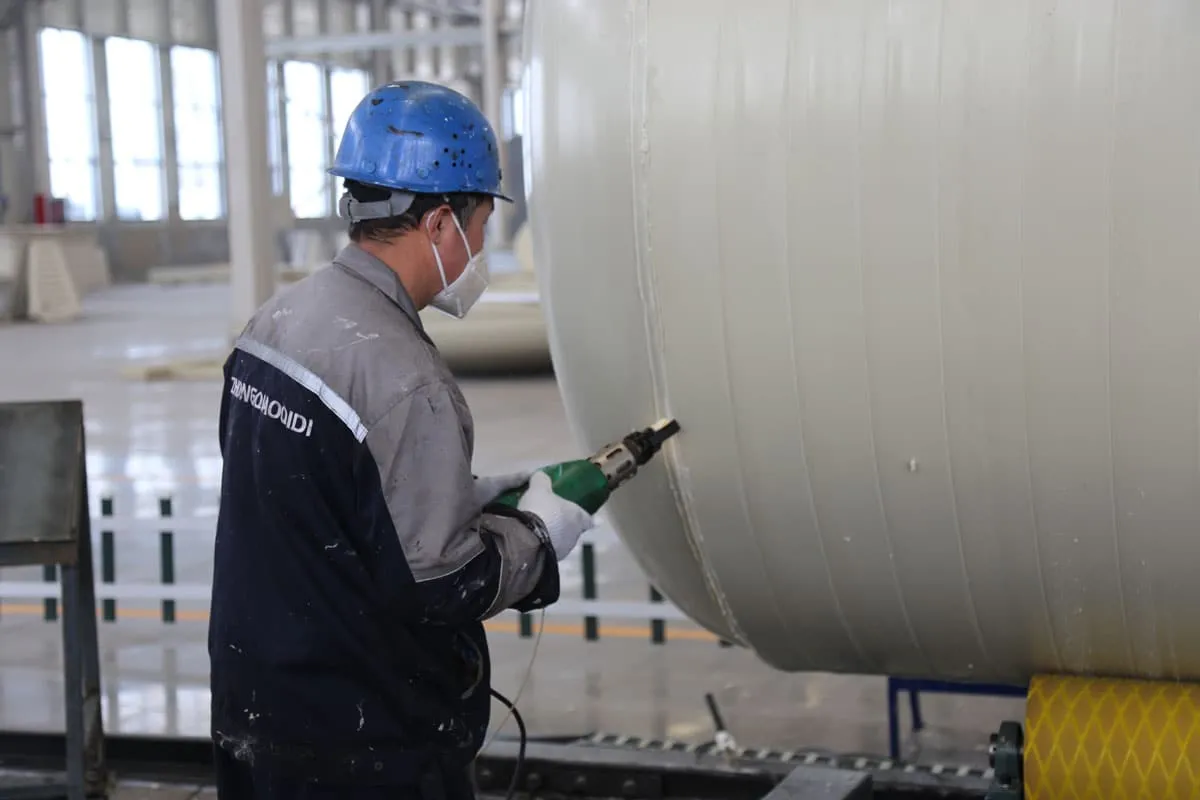
Match Modular Equipment With The Wider Treatment Scope
Modular treatment may be the main equipment direction, or it may be combined with packaged plant, containerized delivery, MBR, MBBR, DAF pretreatment or PP tank configurations.
Containerized Delivery
Use when modular equipment also needs container packing, export review or transportable layout.
Packaged Plants
Use when MBR, MBBR, QD Tank, MV-Type, QDPP and other factory-built plant options need comparison.
MBR Systems
Use when membrane separation and compact biological treatment are central to the design.
MBBR Systems
Use when carrier biofilm treatment better matches wastewater quality and operation style.
Send Project Inputs For Modular System Review
Send one set of water and site data, and our team can review whether QD Tank, MV-Type, packaged plant, containerized delivery or a wider treatment system configuration fits the project.