Industrial Pretreatment For Oils, Solids And Light Flocs

Dissolved Air Flotation System For Wastewater Pretreatment

Oil, suspended solids, colloids and light flocs often need separation before biological treatment or polishing. Wastewater source, flow rate, dosing needs, site layout and material requirements determine whether GW, YW or QDPP dissolved air flotation fits the pretreatment route.
Compare DAF Equipment Lines
1-200 m3/h YW Range
Reference capacity range for early DAF equipment selection.
25-40 Micron Microbubbles
GW flotation feature for fine bubble separation.
PP Vertical-Flow Option
QDPP DAF for compact and corrosion-sensitive layouts.
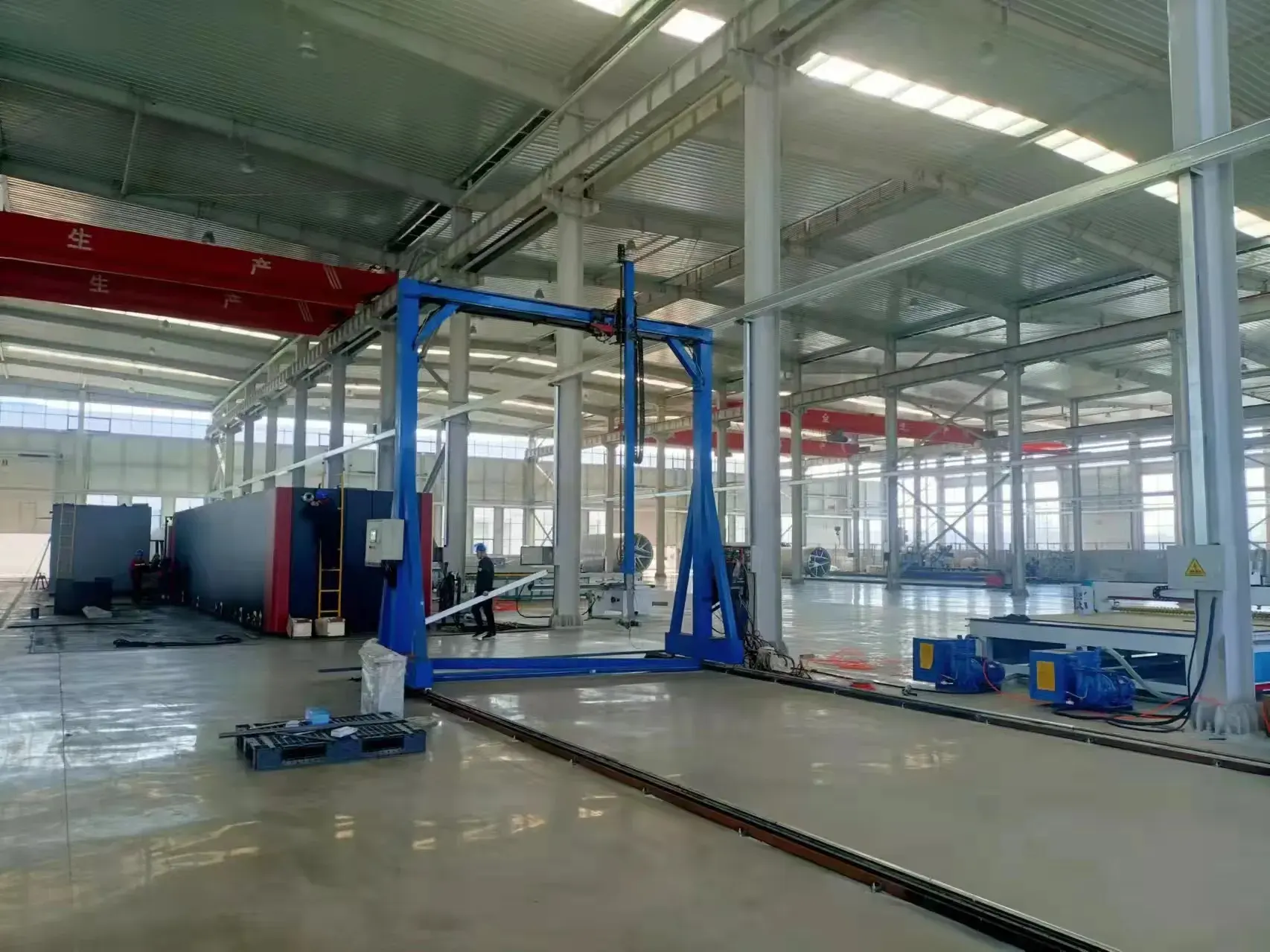
Dissolved air flotation system in wastewater equipment workshop
GW
In-pump gas-liquid mixing
YW
Model range to YW-200
QDPP
PP vertical-flow DAF
20+ Years
Wastewater equipment and route experience.
40,000 m2
Factory and workshop area for equipment manufacturing.
ISO 9001 / 14001 / 45001
Quality, environmental and occupational health management coverage.
Custom Scope
Flow, material, dosing and site layout reviewed before final drawings.
Pretreatment Fit

DAF Systems For Oils, Suspended Solids And Light Flocs

DAF is normally reviewed when wastewater contains materials that can attach to fine bubbles and rise to the surface after chemical conditioning. It is not a replacement for every biological or advanced treatment stage.

1
Separate Floatable Pollutants
Oils, grease, light flocs and fine suspended solids point the review toward dissolved air flotation after screening and equalization.
2
Protect Downstream Treatment
DAF can reduce front-end solids and oil load before MBR, MBBR, filtration, oxidation or other downstream equipment is selected.
3
Review Dosing And Sludge
Coagulant, flocculant, skimming load and sludge handling affect model selection, operating cost and maintenance planning.
Equipment Lines

Choose Between GW, YW And QDPP DAF Configurations

Different DAF equipment forms serve different flow, footprint, component and material requirements. Final selection should start from water data, site layout and the downstream route.
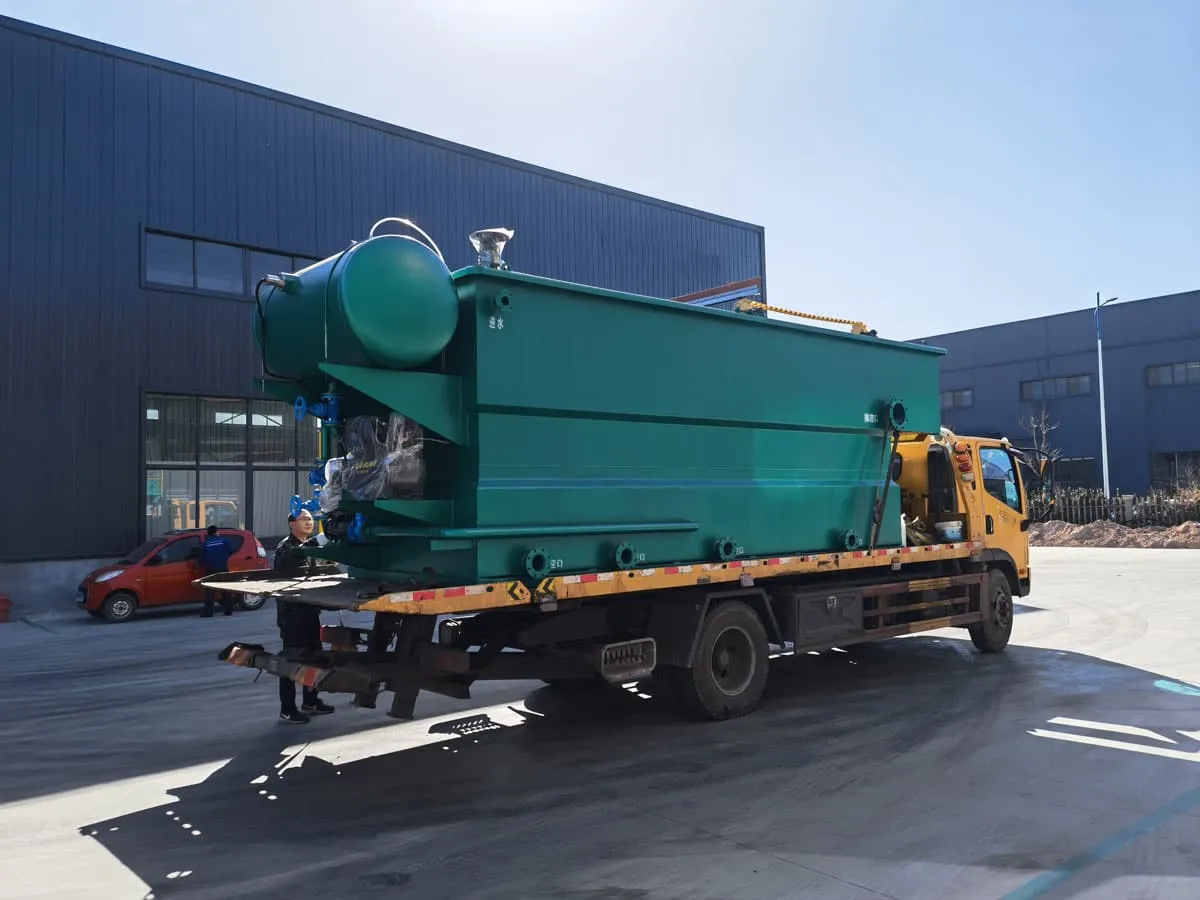
GW type flotation machine for wastewater pretreatment

GW-Type Flotation Machine

GW flotation uses in-pump pressurized gas-liquid mixing and fine microbubbles of 25-40 microns. It can be reviewed for municipal, papermaking, chemical, beverage, textile, refining, electroplating, food, slaughtering and leather wastewater pretreatment.

Compare GW Features
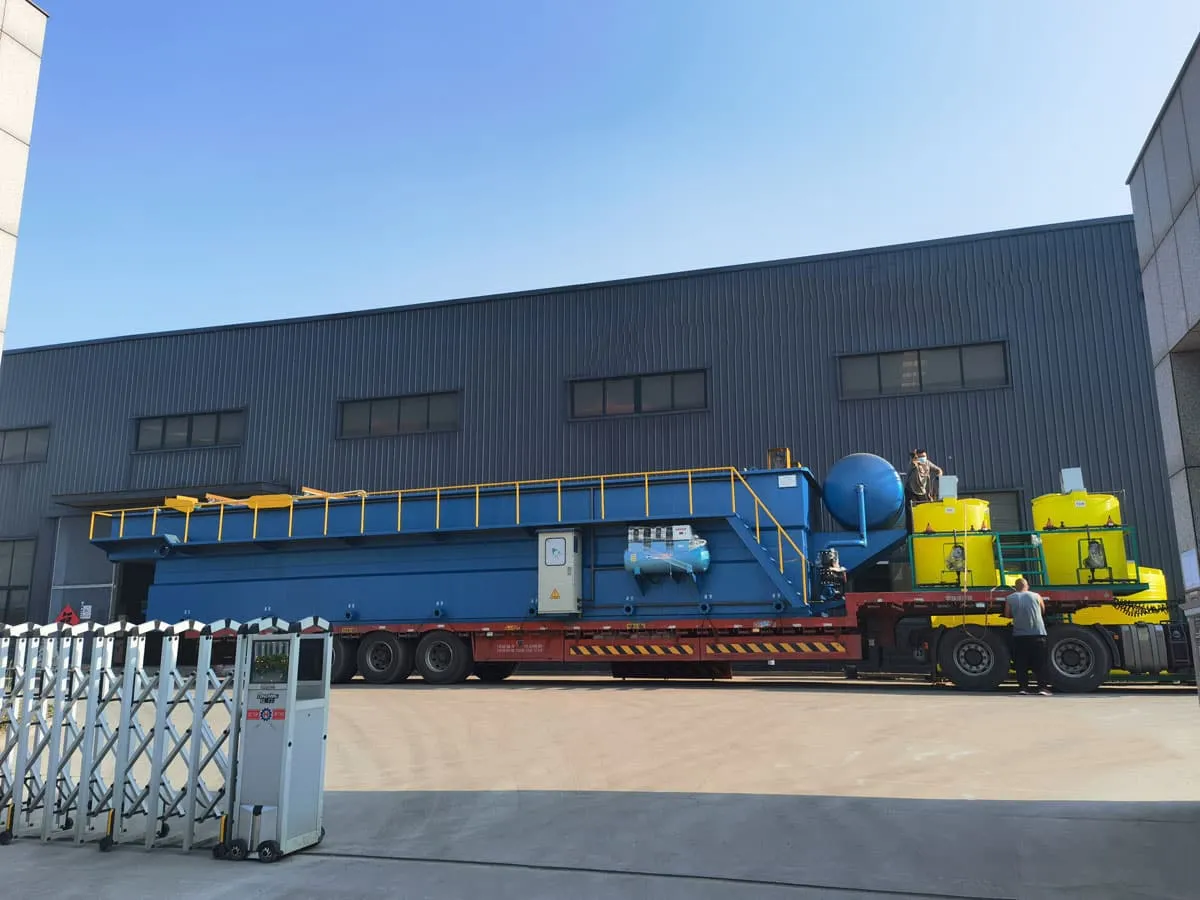
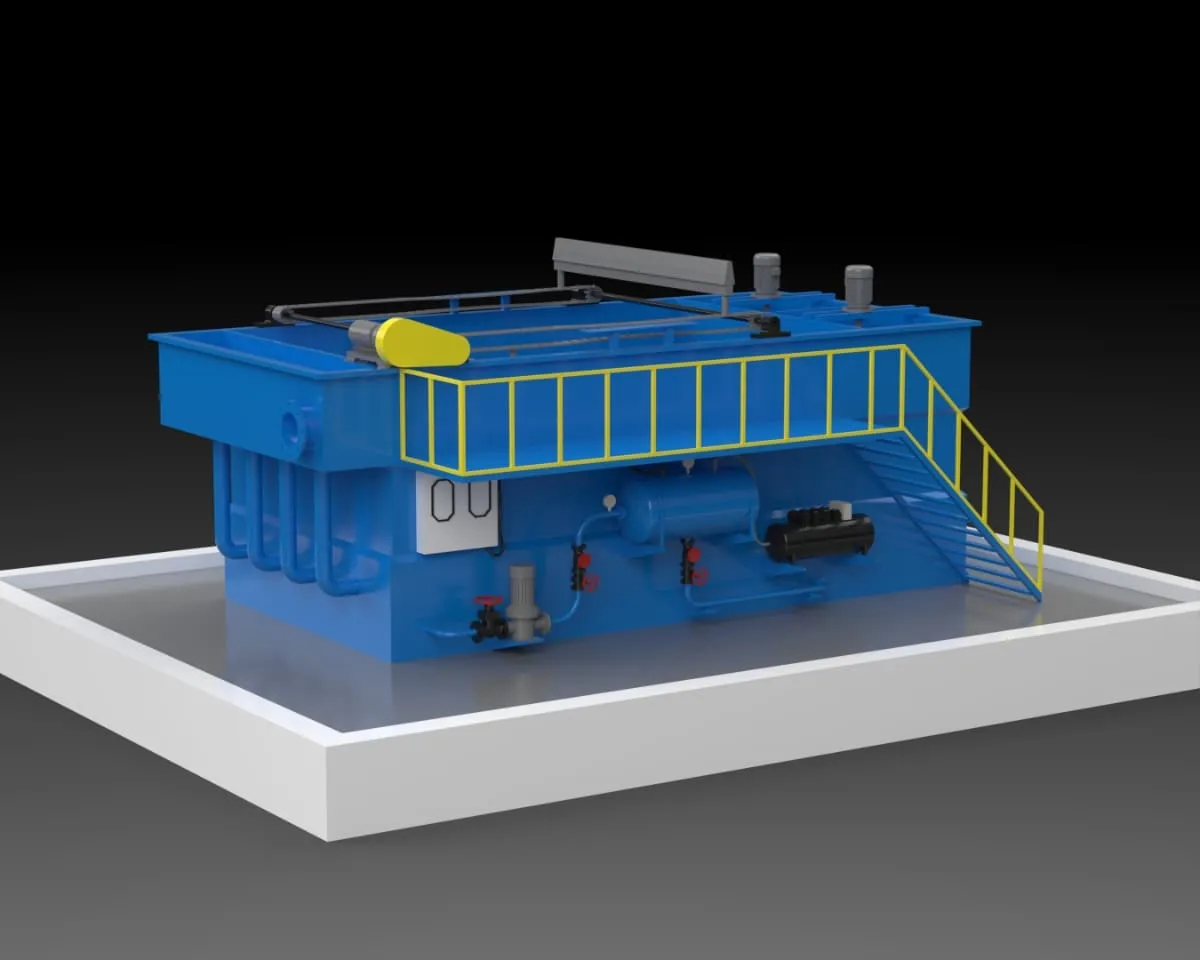
YW type dissolved air flotation machine for industrial wastewater

YW-Type Flotation Machine

YW DAF covers YW-3 to YW-200 with a reference treatment capacity range from 1 to 200 m3/h. It is the main model range for early flow matching, power comparison and equipment footprint review.

Review YW Specifications
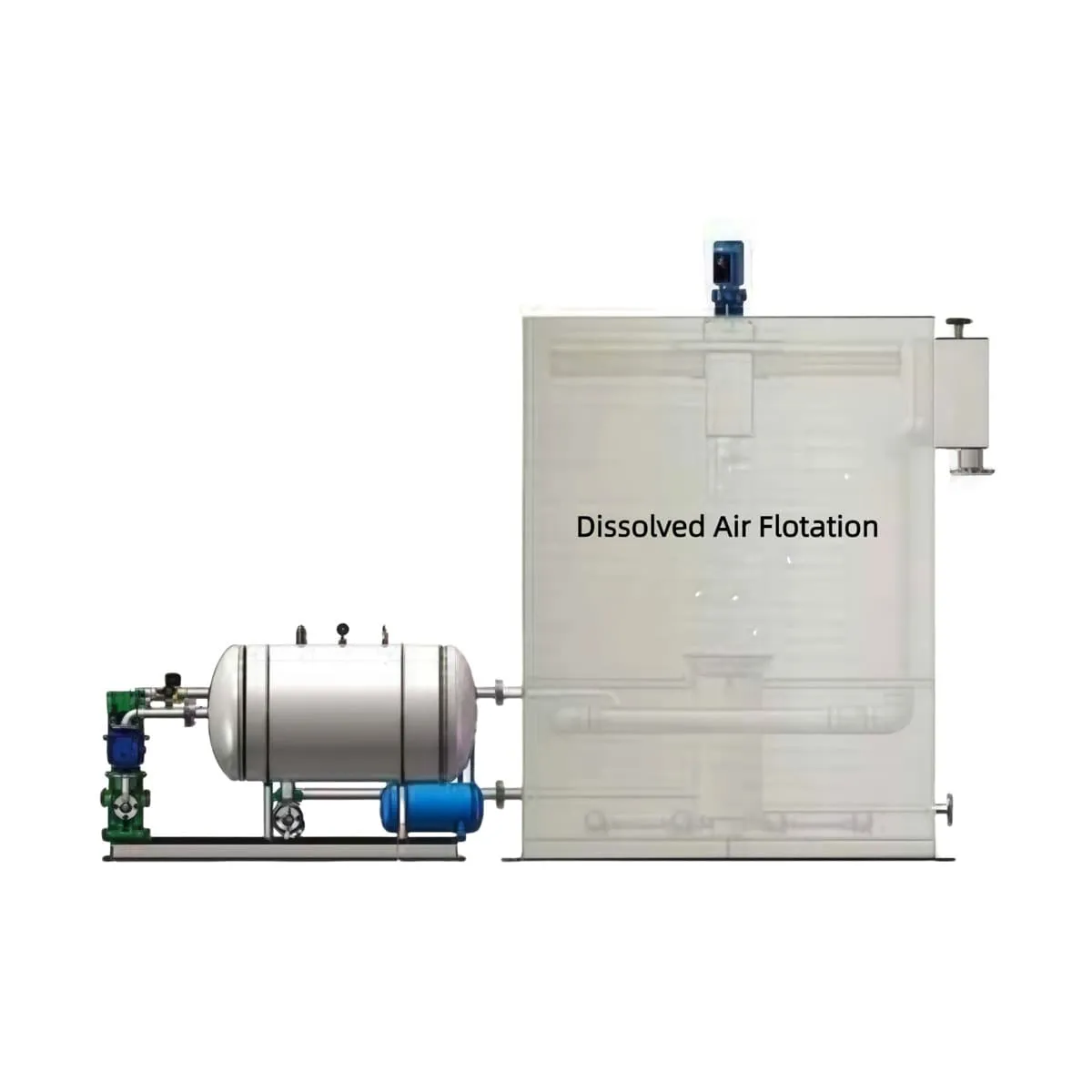
QDPP vertical flow dissolved air flotation system with PP tank structure

QDPP Vertical-Flow DAF

QDPP DAF uses a PP vertical-flow structure for compact sites and corrosion-sensitive conditions. Numeric sizing is confirmed through project review before final specification and equipment drawings.

Evaluate PP DAF Fit
Treatment Route

Where DAF Fits In The Treatment Route

DAF works as a physicochemical separation stage. Screening, equalization and dosing conditions shape the flotation result, while downstream biological treatment, filtration, oxidation or reuse review decides the complete system route.
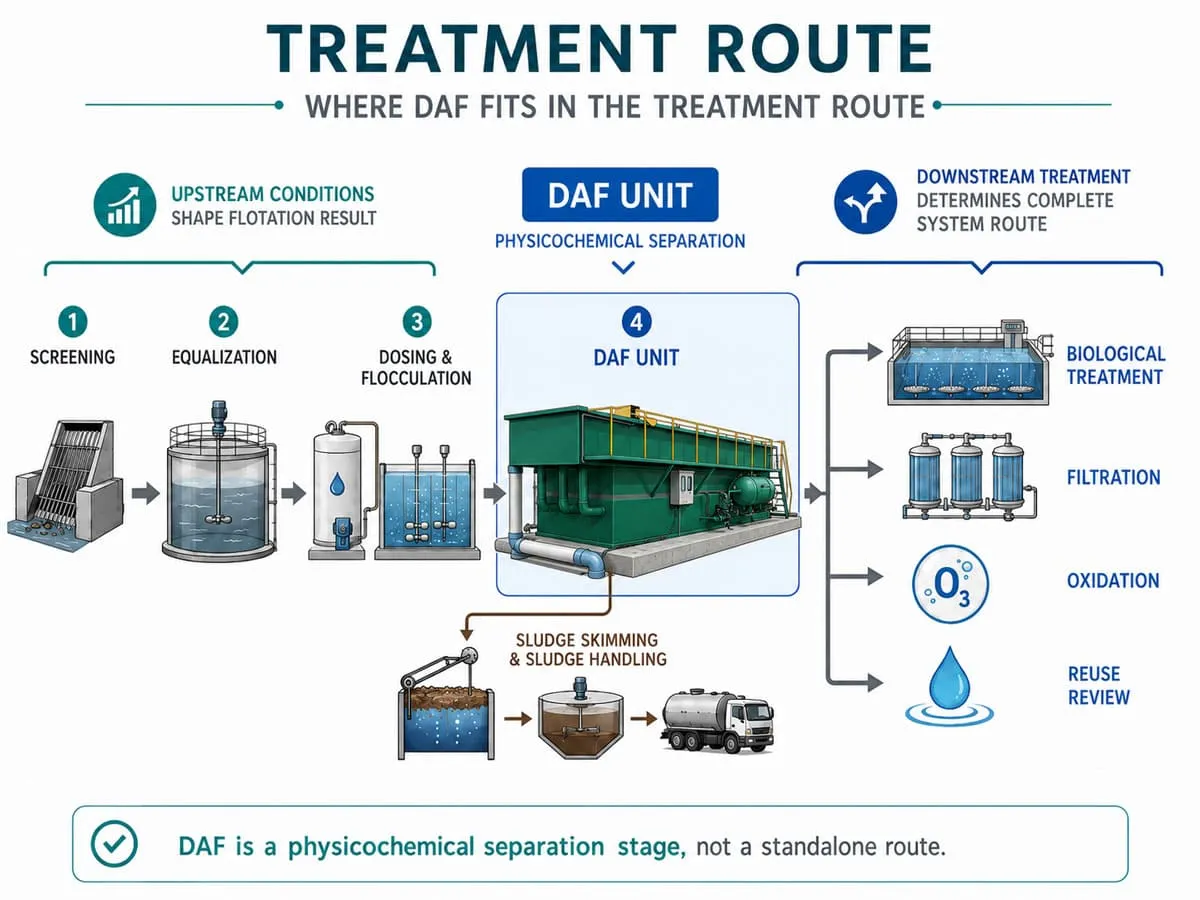
Screening removes large solids before hydraulic load reaches the DAF unit.
Equalization stabilizes flow and pollutant fluctuation before chemical conditioning.
Dosing and flocculation prepare fine solids, oils and colloids for flotation.
Sludge skimming and handling must be included in the operating scope.
DAF pretreatment process route from screening equalization dosing flotation to downstream treatment
Selection Logic

Selection Matrix For Early DAF Review

Water quality, solids behavior, oil content, chemical response, flow rate and site layout should be reviewed together before a DAF model is selected.

Wastewater Condition DAF Review Focus Equipment Direction RFQ Inputs
Oils And GreaseFood, slaughtering, cooking oil, refining or similar wastewater. Oil separation, scum load, chemical conditioning and sludge handling. GW or YW DAF with dosing and skimming review. Oil content, COD, SS, temperature, pH, flow rate and discharge target.
Light Flocs And ColloidsFine particles after coagulation or flocculation. Bubble attachment, floc strength, surface loading and retention time. YW DAF capacity matching with dosing and flocculation conditions. Jar-test notes, suspended solids, chemical type and hourly peak flow.
Hard-Settling MaterialsParticles that do not separate efficiently by gravity. Flotation suitability before sedimentation, filtration or biological treatment. DAF with screening, equalization and downstream solids control. Particle profile, TSS, operating hours and downstream equipment target.
Compact Or Corrosive SiteLimited footprint or higher material-resistance needs. Material selection, vertical layout, maintenance access and installation boundary. QDPP PP vertical-flow DAF where the project conditions support it. Site drawing, wastewater pH, salinity, chemicals, footprint and material preference.
Reference Data

DAF Equipment Reference Data And YW Model Range

GW, YW and QDPP DAF lines provide different types of selection data. GW is reviewed by gas-liquid mixing structure and bubble characteristics, YW provides the clearest model capacity range, and QDPP DAF is reviewed by PP material, vertical-flow structure and compact-site fit.

DAF Line Available Reference Data Selection Role Project Review Focus
GW-Type Flotation Machine In-pump pressurized gas-liquid mixing and 25-40 micron microbubbles. Reviewed for oil-water separation, suspended solids, coagulated flocs and compact pretreatment routes. Flow rate, scum load, dosing condition, tank layout, skimmer access and downstream route.
YW-Type Flotation Machine YW-3 to YW-200 model range with 1-200 m3/h reference treatment capacity. Main DAF line for early capacity, power, dissolved gas water volume and footprint comparison. Average flow, peak flow, operating hours, solids load, oil load, dosing scope and site boundary.
QDPP Vertical-Flow DAF PP material, vertical-flow structure, compact footprint and corrosion-resistance fit. Reviewed for limited-space and corrosion-sensitive projects where PP material is preferred. pH, salinity, chemical exposure, footprint, tank access, material preference and final equipment drawings.

Selected YW DAF Model Range

Model Treatment Capacity Dissolved Gas Water Volume Total Power Appearance Dimensions Early Selection Use
YW-3 1-3 m3/h 1-2 m3/h 4.47 kW 2,460 x 1,700 x 2,100 mm Small flow pilot, compact pretreatment or low-capacity equipment review.
YW-20 15-20 m3/h 5-6 m3/h 5.75 kW 5,160 x 2,200 x 2,300 mm Moderate flow industrial pretreatment with oil or suspended solids review.
YW-50 45-50 m3/h 15-17 m3/h 11.35 kW 7,860 x 2,950 x 2,550 mm Higher flow front-end separation before downstream treatment equipment.
YW-100 95-100 m3/h 46-50 m3/h 18.1 kW 12,960 x 3,200 x 2,850 mm Large industrial flow review where footprint and lifting conditions matter.
YW-200 150-200 m3/h 80-100 m3/h 32.2 kW 15,560 x 4,700 x 3,600 mm Maximum YW range reference for major pretreatment equipment planning.

Reference ranges support initial equipment comparison. Final dimensions, power, dosing scope and drawings are confirmed after wastewater and project review.

Applications

Application Scenarios For Industrial Pretreatment

DAF selection depends on pollutant behavior, not only the industry name. The same industry may need different dosing, flotation, biological or polishing routes after wastewater testing.

Food And Beverage
Oil, grease, suspended solids and organic load before biological treatment.
Slaughtering Wastewater
Floatable solids, grease and front-end load reduction after screening.
Papermaking
Fiber, suspended solids and floc separation before reuse or downstream treatment.
Textile And Dyeing
Coagulated color-related flocs and suspended solids before further route review.
Electroplating And PCB
Chemical precipitation and flotation review where metal-bearing flocs need separation.
Refining And Petrochemical
Oil-water separation and pretreatment before biological or advanced treatment.
Leather And Tannery
Suspended solids and COD load reduction where flotation fits the conditioning route.
Municipal And Mixed Industrial
Front-end solids or grease control when the influent profile supports flotation.
Manufacturing Scope

Manufacturing, Materials And Delivery Scope

DAF scope can include tank form, dosing interface, skimmer arrangement, dissolved-air components, control cabinet, corrosion-resistance needs, site access and container-oriented delivery planning.
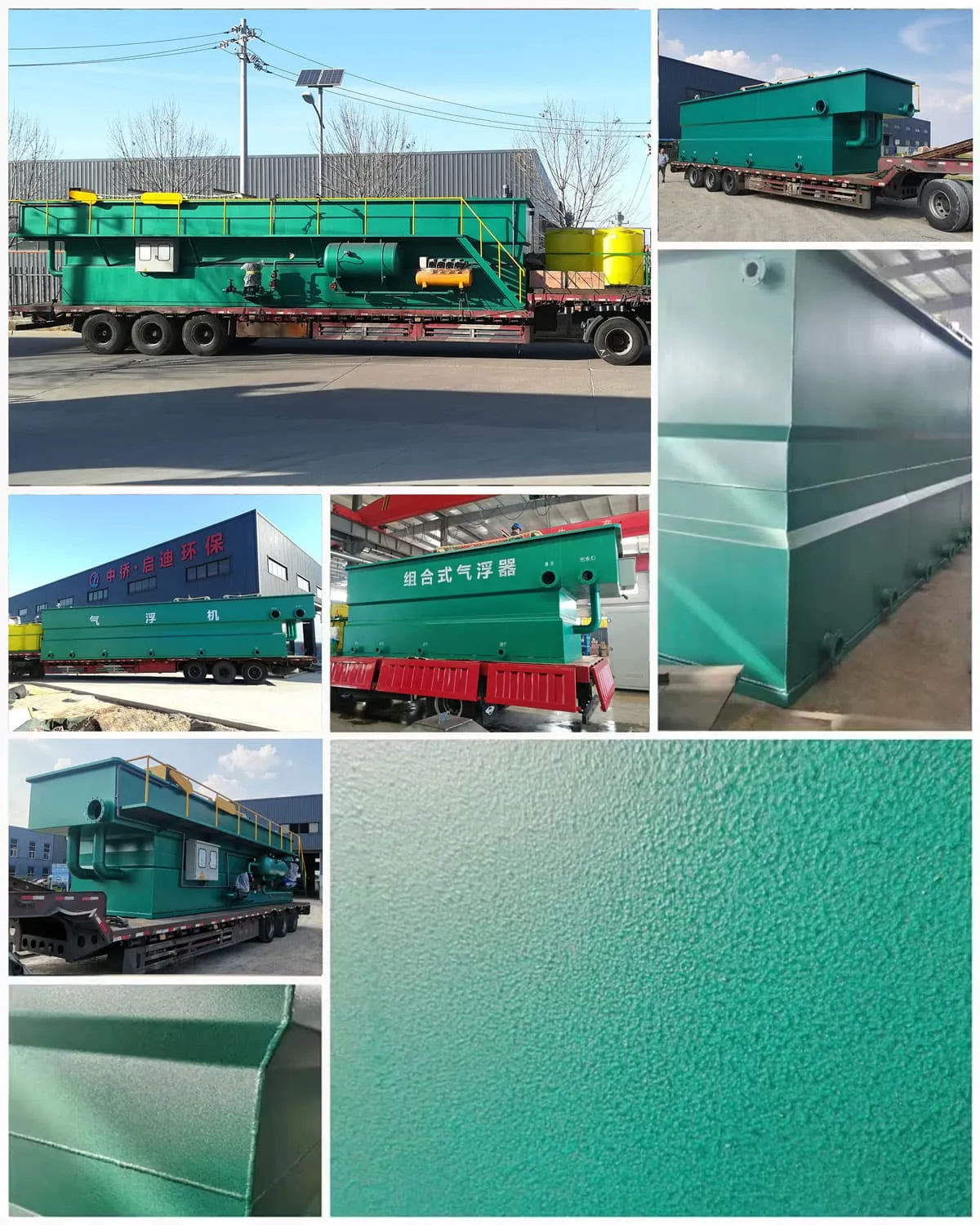
Carbon Steel DAF PP Vertical DAF Dosing Interface Control Cabinet Drawing Review
DAF equipment detail and structure
Review Material Requirements
Carbon steel and PP DAF routes are reviewed against wastewater pH, chemical dosing, corrosion exposure and site expectations.
Define Dosing Boundary
Coagulant, flocculant, mixing, pipe interface and chemical storage should be considered before final DAF sizing.
Check Layout And Maintenance Access
Equipment footprint, skimmer access, sludge removal, control panel position and civil interface affect installation planning.
Prepare Delivery Documents
Drawings, equipment scope, packing needs and loading limits can be reviewed after the selected model range is narrowed.
Project Experience

Project Experience With DAF Pretreatment

Selected references include food, industrial neutralization and modular wastewater routes where DAF appears as a pretreatment or separation stage.
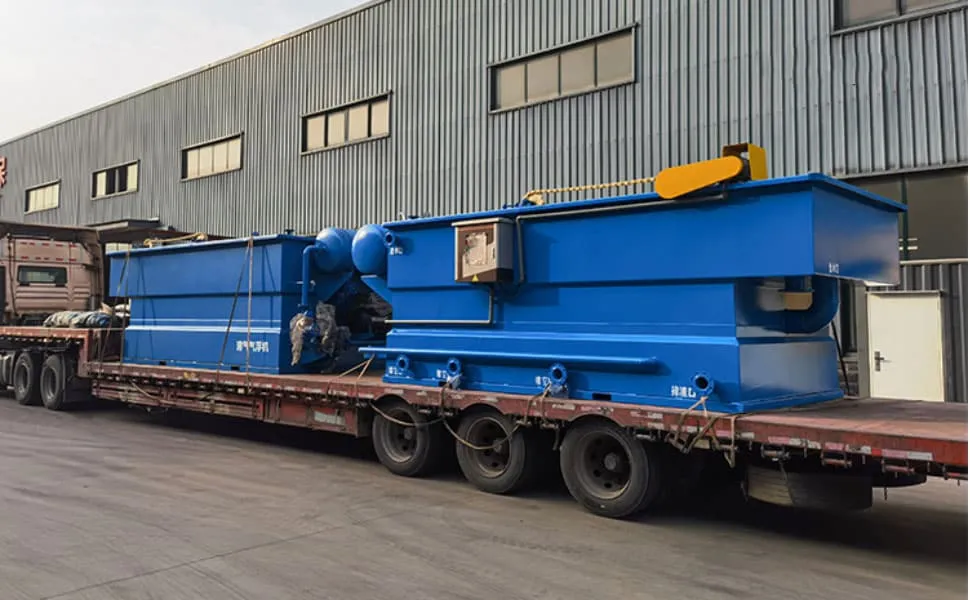
DAF pretreatment equipment for slaughterhouse wastewater
DAF Food Wastewater Shandong

Slaughterhouse Wastewater Pretreatment

A DAF project for slaughterhouse wastewater where screening, oil control, flotation and downstream treatment review belong in one pretreatment route.
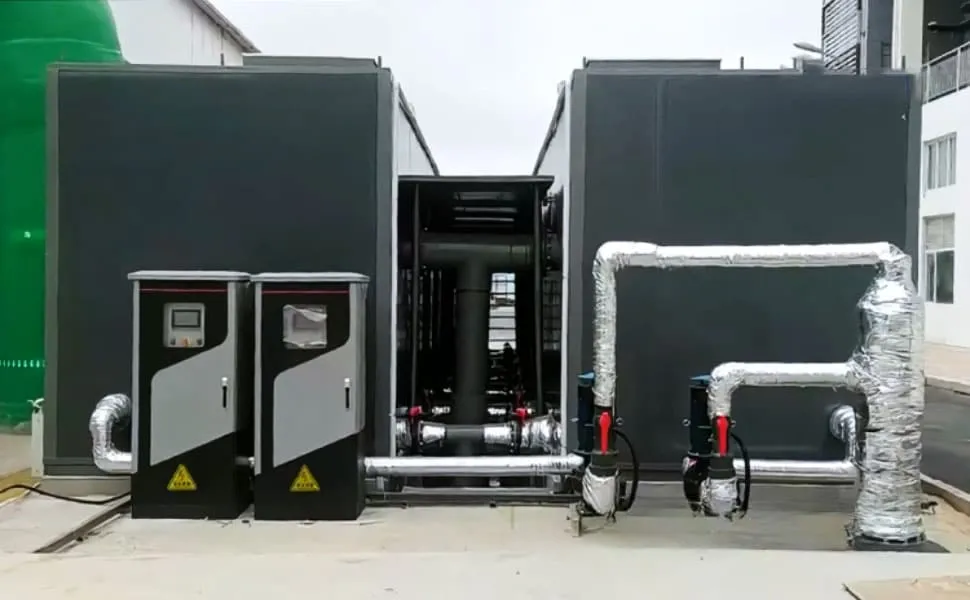
DAF treatment equipment for RO neutralization wastewater
DAF Industrial Effluent Qingdao

RO Neutralization Effluent DAF Unit

A DAF treatment system for neutralization effluent from RO-related wastewater, focused on suspended solids, oil and front-end pollutant separation.
Guangdong 300m³ Modular Containerized Wastewater Treatment Project_4
DAF / MBR / MBBR Modular Guangdong

Modular Wastewater Treatment Route

A 300 m3/day modular wastewater project combining DAF-related pretreatment and biological treatment equipment for a complete system route.

RFQ Preparation

Prepare DAF Data For RFQ Review

A first inquiry can start with contact details, wastewater source, flow range, project target and any available drawings or water-quality report.

Prepare A Useful First Inquiry

Complete lab data is not required at the first contact. A clear starting message allows the treatment route, product range and follow-up questions to be narrowed quickly.

Contact details:name, business email, company, country or region, and phone or WhatsApp if preferred.
Project need:wastewater source, product or solution interest, flow rate and discharge or reuse target.
Available files:water report, site drawing, equipment list or photos can be attached when available.
Review RFQ Setup Checklist

Motiva RFQ / Water Data Form

Water reports, drawings and site photos are useful, but the first review can start with basic flow, pollutant and site information.

Attach PDF, Excel or image reports when available. Actual configuration depends on wastewater characteristics and project requirements.

Great! We have received your message. Someone in charge will contact you shortly.

We are unable to process your submission. Please try again.

FAQ

Questions Before Selecting A DAF System

What wastewater is suitable for a dissolved air flotation system?

DAF is commonly reviewed for oils, grease, light flocs, suspended solids, coagulated colloids and hard-settling materials. Suitability depends on wastewater testing, chemical response, flow rate and downstream treatment targets.

Is DAF a complete wastewater treatment system?

DAF is usually a pretreatment or separation stage. A complete route may also need screening, equalization, dosing, biological treatment, filtration, oxidation, sludge handling or other equipment depending on the wastewater source and discharge target.

How is DAF capacity selected?

Capacity is selected from average flow, peak flow, operating hours, solids load, oil load, dosing condition, retention time, site layout and downstream process needs. YW DAF provides a reference range from 1 to 200 m3/h.

How do GW, YW and QDPP DAF options differ?

GW focuses on in-pump pressurized gas-liquid mixing and fine microbubbles. YW provides the clearest model ladder for capacity comparison. QDPP vertical-flow DAF uses PP material for compact and corrosion-sensitive applications.

Can you quote a DAF system price from flow rate only?

Flow rate is only one input. Price depends on wastewater type, oil and SS load, dosing scope, material, control requirements, sludge handling, site constraints, packing and delivery scope.

What data should be sent for DAF selection?

Send wastewater source, hourly and daily flow, oil and grease, SS, COD, pH, temperature, salinity if relevant, chemical dosing notes, discharge target, site layout and any available water-quality report.

Review DAF Equipment Before Final Route Design

Share water data, flow range, pollutant profile and site constraints to narrow the DAF model range, material direction and downstream treatment boundary.

Request DAF System Review
滚动至顶部

Request A Quote

Attach PDF, Excel or image reports when available. Actual configuration depends on wastewater characteristics and project requirements.

Great! We have received your message. Someone in charge will contact you shortly.

We are unable to process your submission. Please try again.