
Domestic Sewage Treatment For Decentralized Projects
Motiva designs domestic sewage treatment routes around wastewater source, daily flow, ammonia nitrogen, footprint, discharge or reuse target, and the equipment form that fits the site.
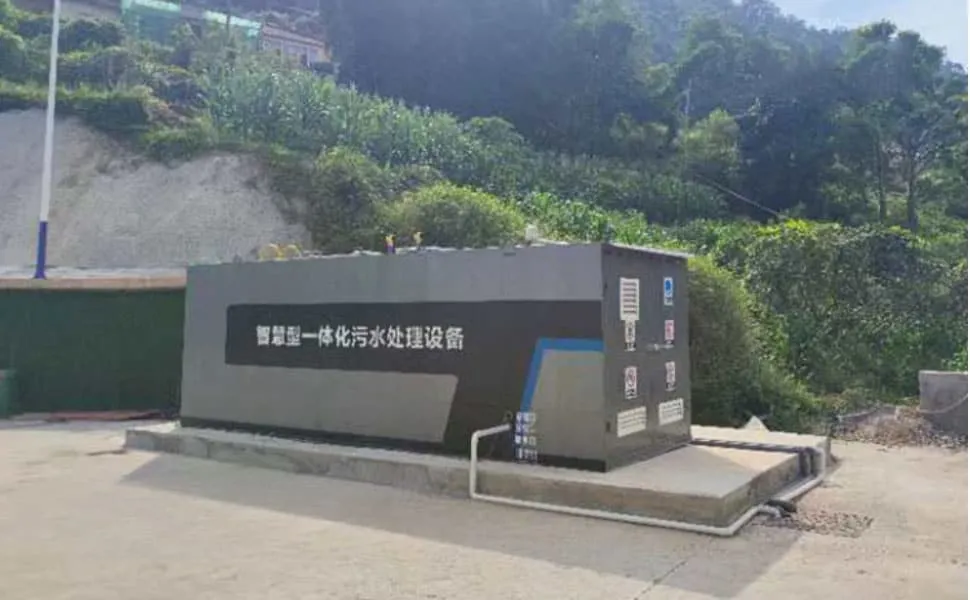
Start With Source, Flow And Outlet Target
Domestic sewage projects can look simple at first, but selection changes quickly when the site is small, cold, buried, corrosion-sensitive or close to a stricter discharge target.
Where Domestic Sewage Routes Usually Start
Domestic wastewater is usually driven by organic load, ammonia nitrogen, suspended solids, flow variation and local outlet requirements. The same route may need different tanks, footprints and delivery forms.
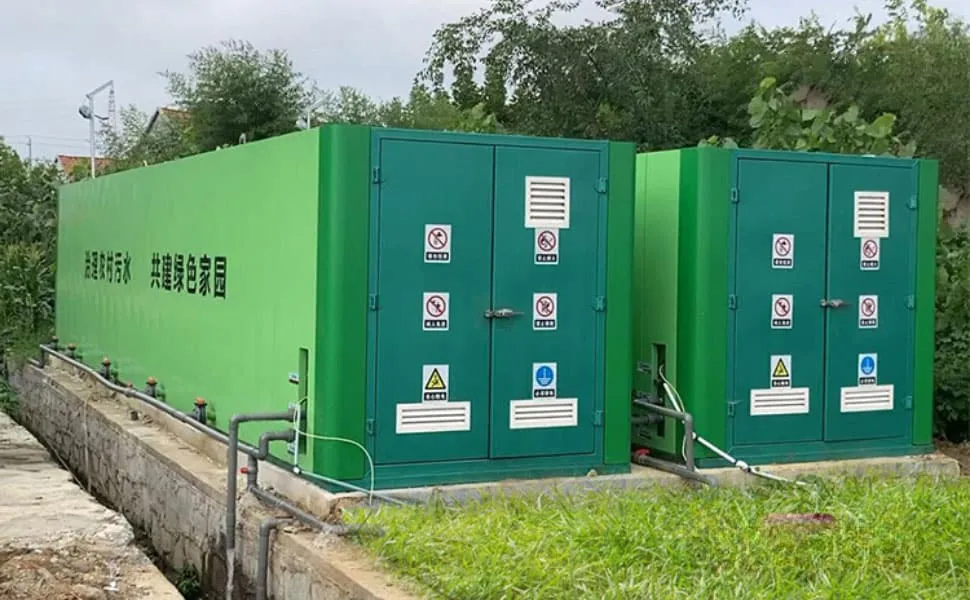
Villages And Townships
Use flow, household count, terrain, discharge point and maintenance conditions to choose compact biological equipment or modular treatment units.
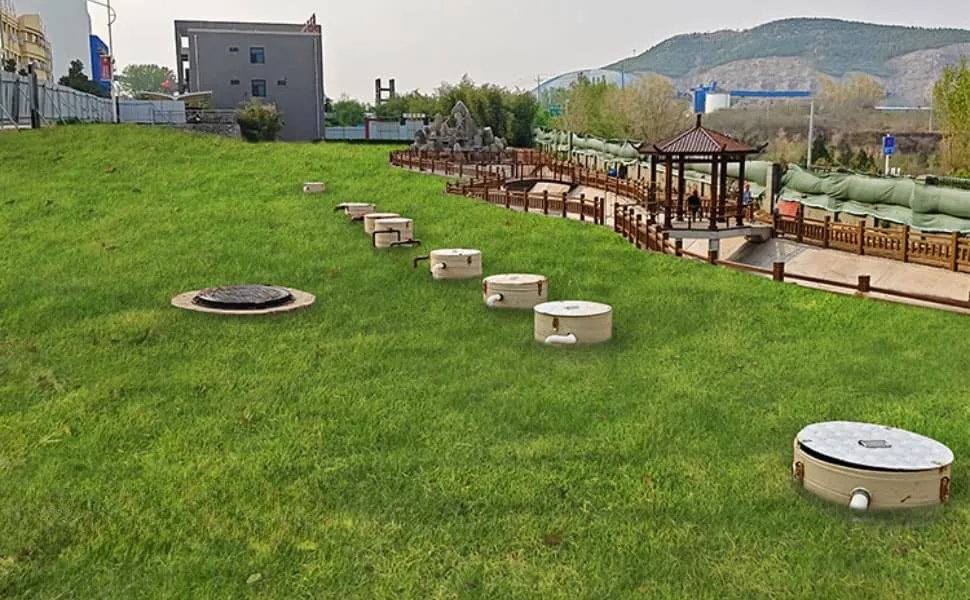
Camps And Scenic Areas
Seasonal peaks, limited operator time and visible site surroundings often push the route toward compact, packaged or buried equipment.
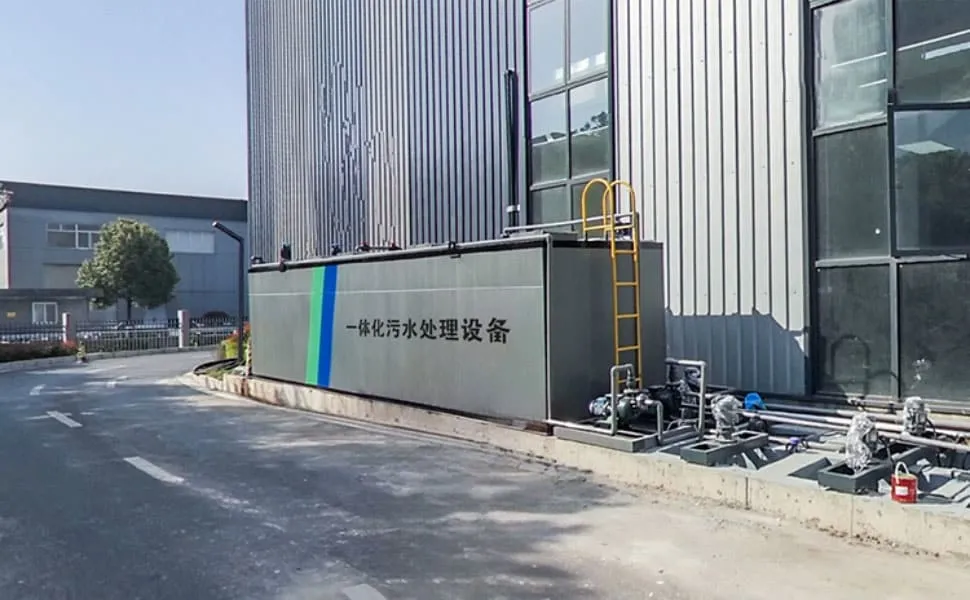
Commercial Facilities
Dormitories, service areas, resorts, small campuses and facility clusters need equipment matched to flow rhythm, space and outlet target.
Domestic Sewage Is Selected By Conditions, Not By One Standard Tank
Most domestic sewage projects begin with biodegradable organic matter, ammonia nitrogen, suspended solids and variable daily flow. The treatment route then changes with discharge target, footprint, installation form, climate, corrosion requirements and operation preferences.
Useful inputs for early review
Send daily flow, peak flow, COD, BOD, ammonia nitrogen, TSS, pH, outlet target, installation location, available footprint, buried or above-ground preference, and any local standard that the project must meet.
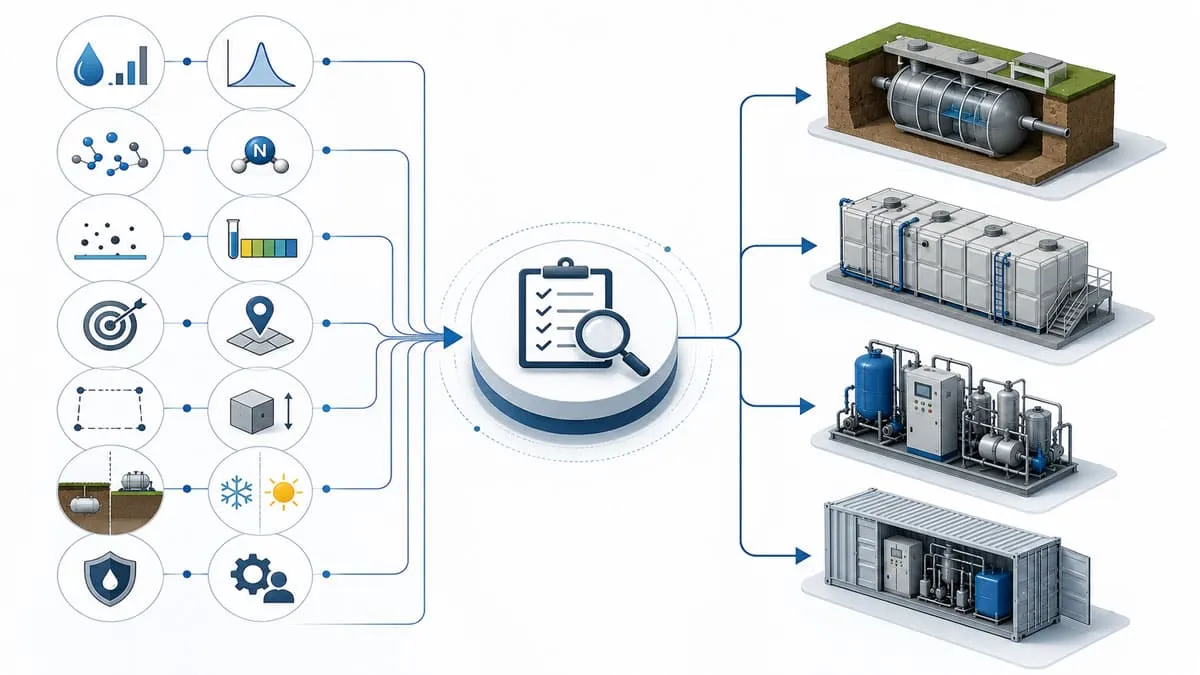
Match Domestic Sewage Conditions To The Right Equipment Route
Flow rate, household count, terrain, discharge point and maintenance conditions determine the relevant packaged, MBR, MBBR, QDPP or modular route.
Small decentralized flow
Compact biological treatment where household count, maintenance access and footprint are the main limits.
Village or township treatment
Flow variation and ammonia nitrogen review often lead to MBR, MBBR, QDPP or MV modular configurations.
Buried or corrosion-sensitive site
Tank material, burial depth, groundwater, soil conditions and maintenance access must be checked before equipment selection.
High outlet target or reuse discussion
Membrane separation, disinfection and polishing requirements should be reviewed against actual influent and local target values.
Temporary, remote or export project
Transport, module size, commissioning access and installation speed may move the design toward modular or containerized delivery.
Use Flow Range To Shortlist Equipment, Then Confirm By Water Data
These ranges are early selection references from confirmed Motiva product families. Final sizing depends on influent quality, peak factor, outlet target, layout and project requirements.
Small QD Tank Range
Useful for small rural, courtyard, agritourism and compact domestic sewage treatment where low flow and simple footprint are key.
MBR / MBBR References
WSZ series routes can support compact biological treatment discussions for domestic sewage and decentralized wastewater projects.
QDPP Horizontal References
Horizontal PP tank routes can be reviewed where corrosion resistance, buried layout or tank material is part of the decision.
MV Modular References
MV-Type modular vertical systems suit village, township and difficult-terrain discussions where module count and footprint matter.
Domestic Sewage Routes Connect To Existing Motiva Equipment Lines
Relevant equipment families include packaged plants, MBR, MBBR, QDPP, modular and containerized systems, selected according to flow, site and outlet requirements.
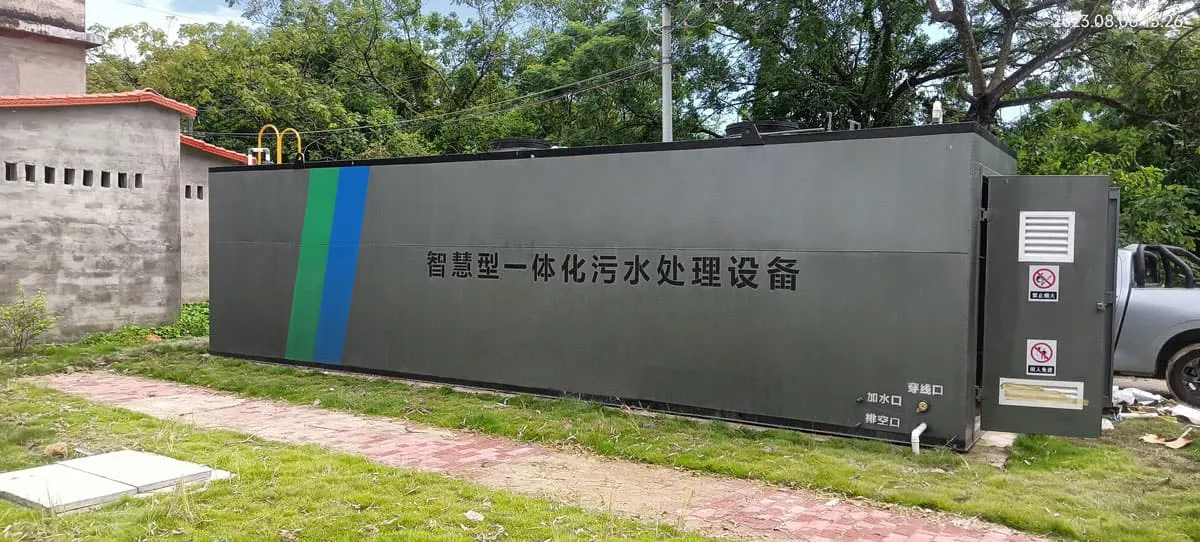
Package Wastewater Treatment Plant
Compare packaged MBR, MBBR, QD Tank, MV, BFTR and QDPP forms for decentralized sewage and small community projects.
Review Packaged Plants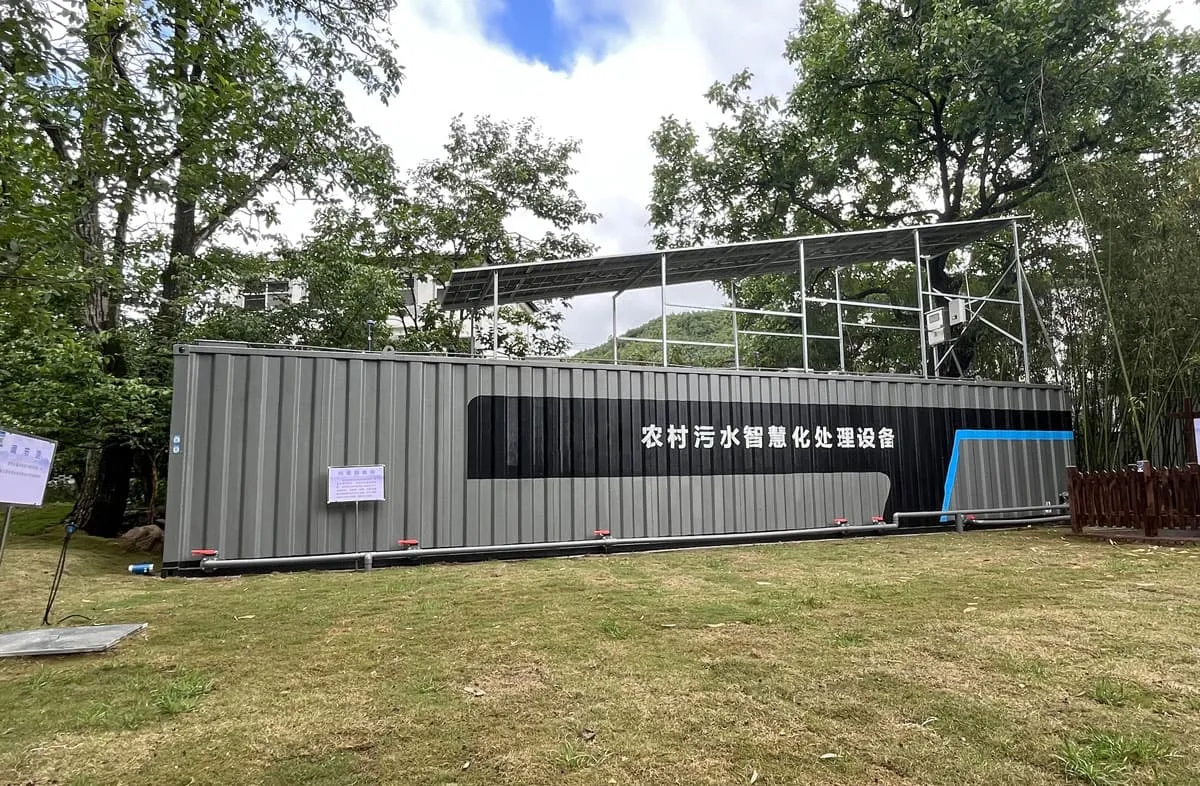
MBR And MBBR Systems
Review membrane bioreactor and moving-bed biofilm routes when compact layout, effluent quality and biological stability matter.
Evaluate MBR Systems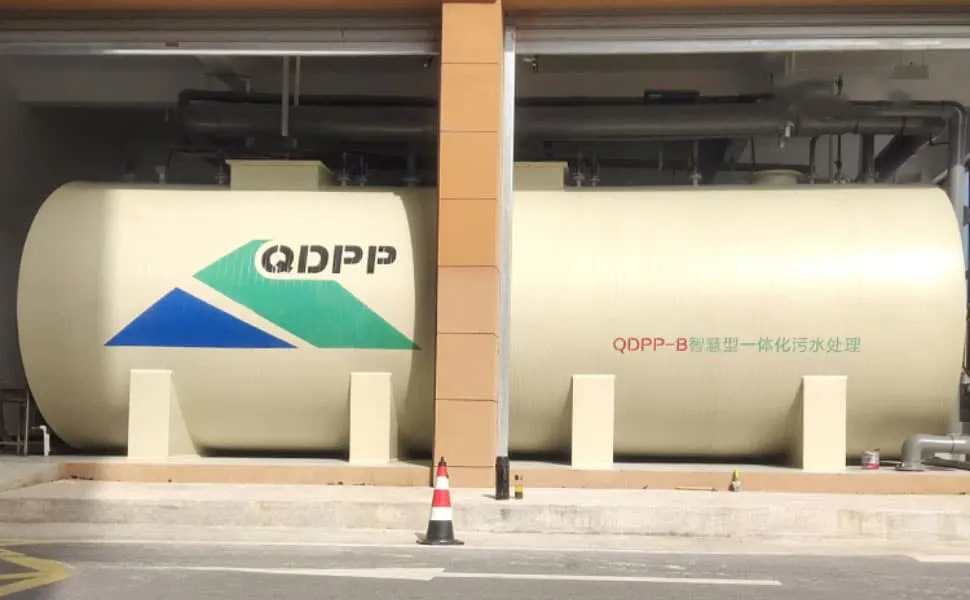
QDPP Integrated Sewage Treatment Plant
Consider PP tank configurations where corrosion resistance, buried layout, modular tank structure or material preference is important.
Compare QDPP TanksDomestic Sewage Equipment Must Fit The Site, Not Just The Flow Rate
Two projects with the same daily flow can need different equipment forms when terrain, material, climate, operator access and discharge location change.
Transport And Installation Form
Compare containerized or packaged equipment where export delivery, temporary use or fast on-site installation matters.
Review Containerized OptionsTerrain And Module Count
Review modular vertical systems when the site has difficult terrain, limited footprint or phased flow needs.
Select Modular SystemsDrawings, QC And Delivery Support
Prepare layout, manufacturing, inspection, packaging, installation and commissioning questions before procurement.
Review Engineering InputsDomestic Sewage Projects Need Equipment, Review And Practical Delivery Support
Motiva combines product families, route review, manufacturing capability and customization by flow, site layout, material requirements and treatment target.
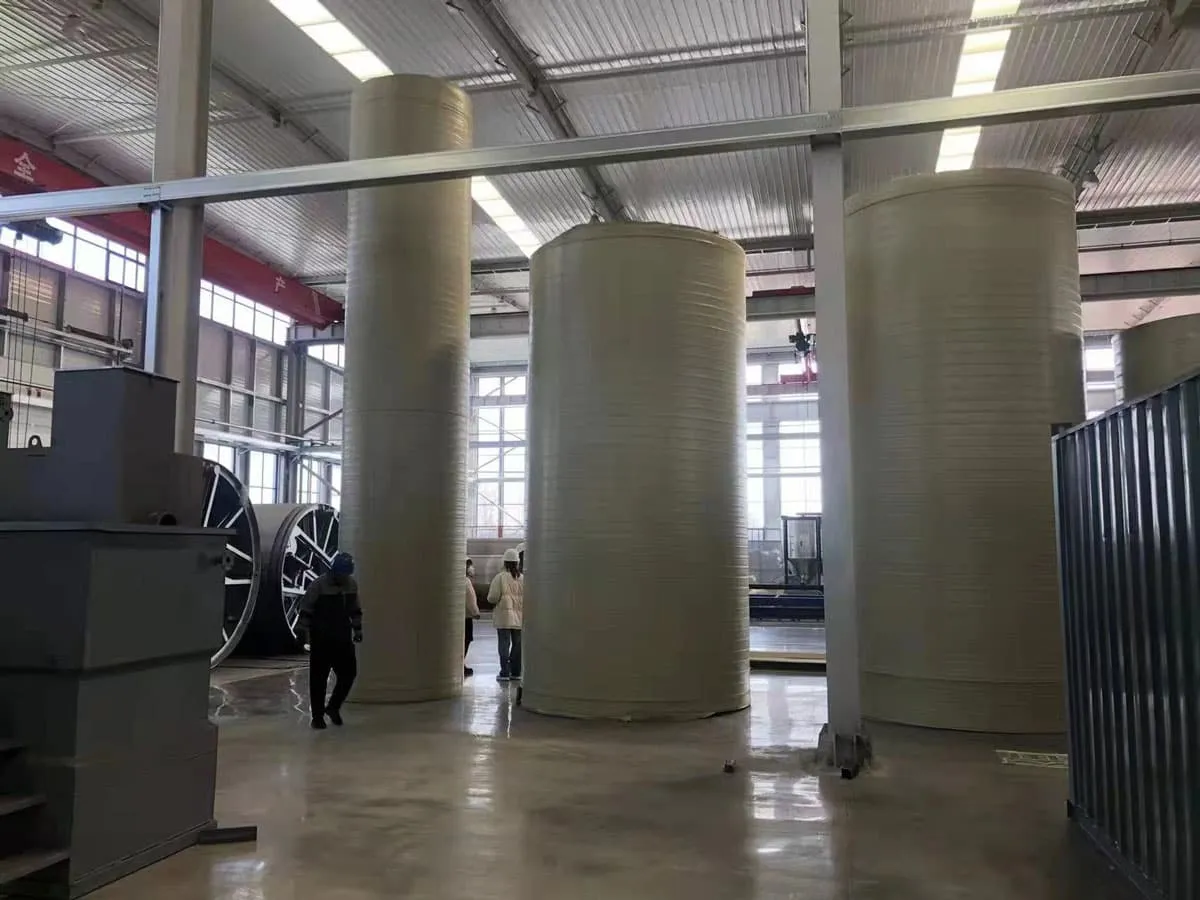
Representative Domestic Sewage Projects Show Route Fit In Practice
Location, daily flow, equipment form and outlet target change the domestic sewage route and final sizing.
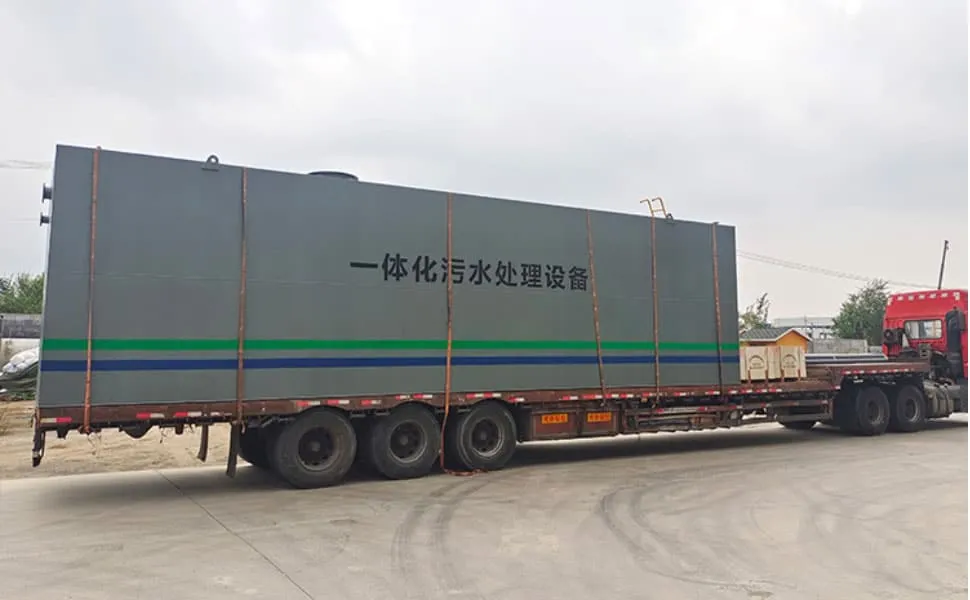
Small Domestic Sewage Treatment In Hebei
A compact domestic sewage system used biological membrane treatment for a small-flow rural application where simple footprint and discharge target mattered.
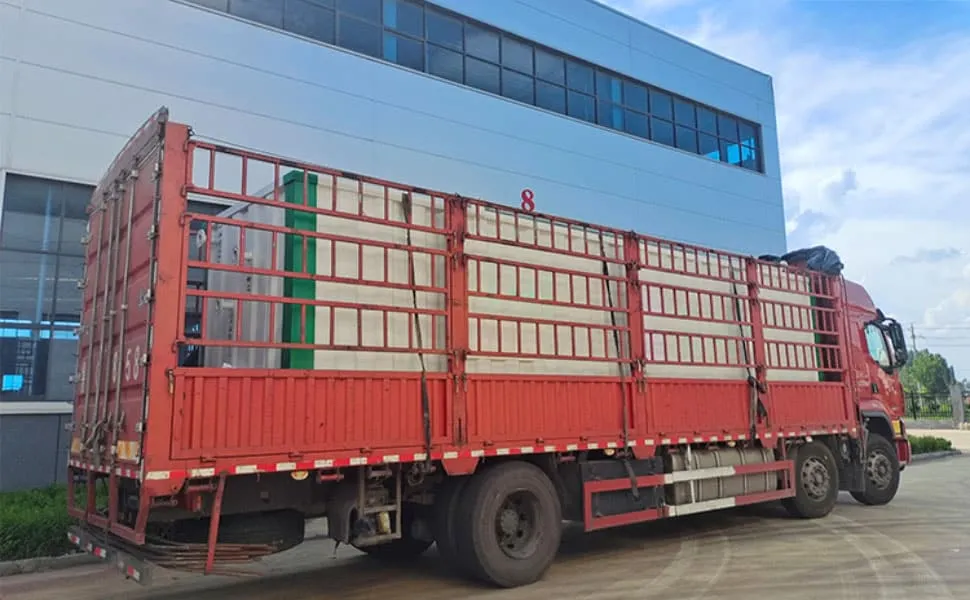
Rural Containerized MBR Project In Jiangsu
A rural sewage project used containerized MBR equipment, commissioning support and Class A discharge requirements as part of the route decision.
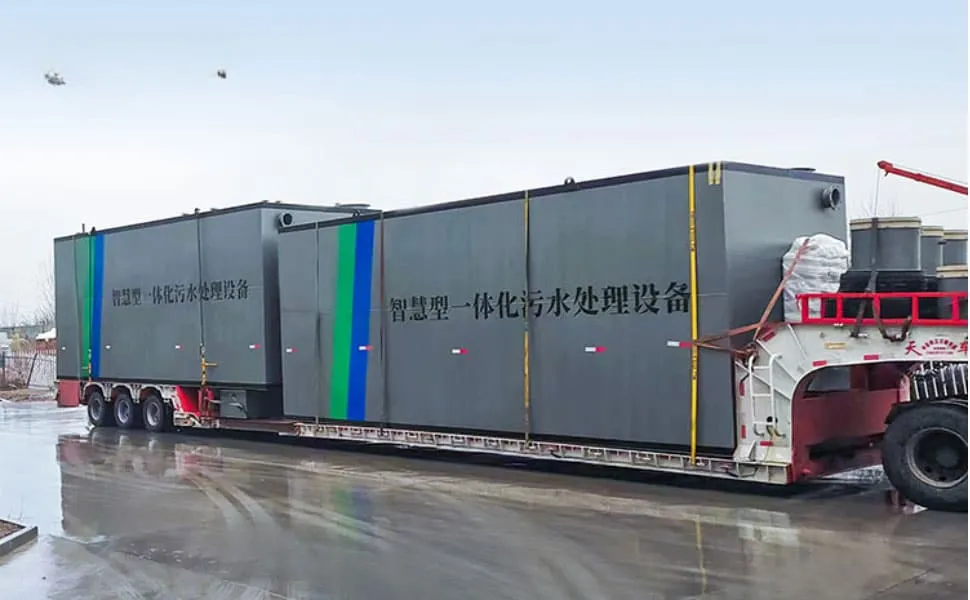
Zhejiang Domestic Wastewater WSZ System
A domestic wastewater project used an integrated WSZ route with MBR and MBBR-related options, installation and commissioning support.
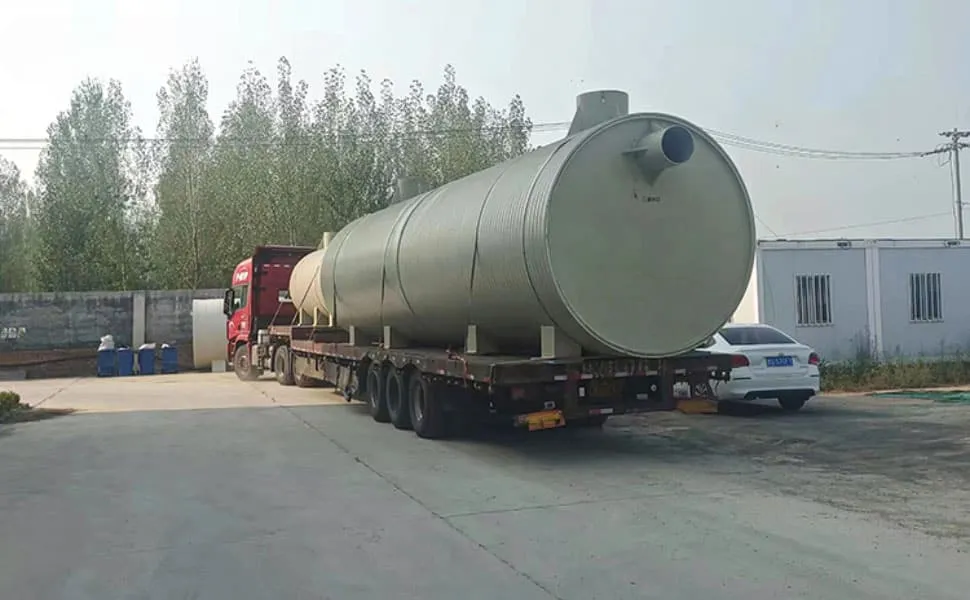
Shandong Rural QDPP Integrated System
A rural sewage project used QDPP integrated tank construction with an A/O and MBR route where compact layout and tank durability were central.
Prepare Domestic Sewage Data For Route Review
Send the wastewater source, flow, water-quality indicators, treatment target and site limits through the Motiva RFQ / Water Data Form. Our team will evaluate the relevant package plant, MBR, MBBR, QDPP, modular or containerized route.
Useful Attachments
Domestic Sewage Treatment FAQ
These questions keep early route selection practical while leaving final performance and sizing to project-specific design.
Which route is usually used for domestic sewage?
Common routes include A/O plus MBR, MBBR biofilm treatment, QDPP PP tank systems, QD Tank small-flow systems and packaged or modular plants. The right route depends on flow, influent quality, outlet target and site limits.
Can Motiva quote from flow rate only?
Flow rate can start the discussion, but equipment selection is stronger when COD, BOD, TSS, ammonia nitrogen, pH, peak flow, outlet target and installation conditions are available.
Is QDPP always the best choice for buried domestic sewage projects?
No. QDPP can be reviewed when PP tank material, buried layout or corrosion resistance is important, but MBR, MBBR, modular or containerized equipment may fit better in other conditions.
Can Motiva guarantee Class A effluent from early review?
No. Effluent results depend on influent quality, treatment route, design parameters, operation and the final project target. Motiva reviews the requirement before proposing a route.
Should hospital wastewater be treated as ordinary domestic sewage?
Hospital wastewater can share some biological treatment logic, but disinfection, regulatory and risk requirements are different. It should be reviewed separately with the target standard and site data.
Ready To Review A Domestic Sewage Project?
Send flow, water quality, outlet target and site constraints so Motiva can shortlist the practical treatment route.