Meat Processing Wastewater / A²/O

50 m3/day A²/O Wastewater Treatment System For A Meat Processing Plant In Henan

Motiva designed and manufactured an integrated A²/O wastewater treatment system for production wastewater from a meat processing plant in Henan. The main treatment stages are screening and equalization, anaerobic, anoxic and oxic biological zones, secondary sedimentation and disinfection.
Explore Food Industry Treatment
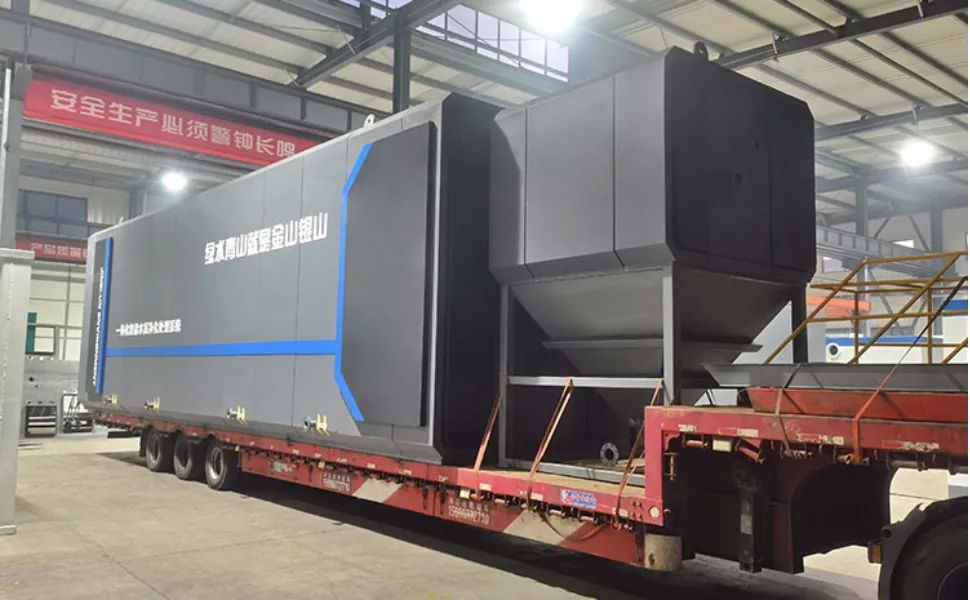
Real Factory Dispatch View henan meat processing wastewater equipment workshop
Integrated treatment unit prepared for transport

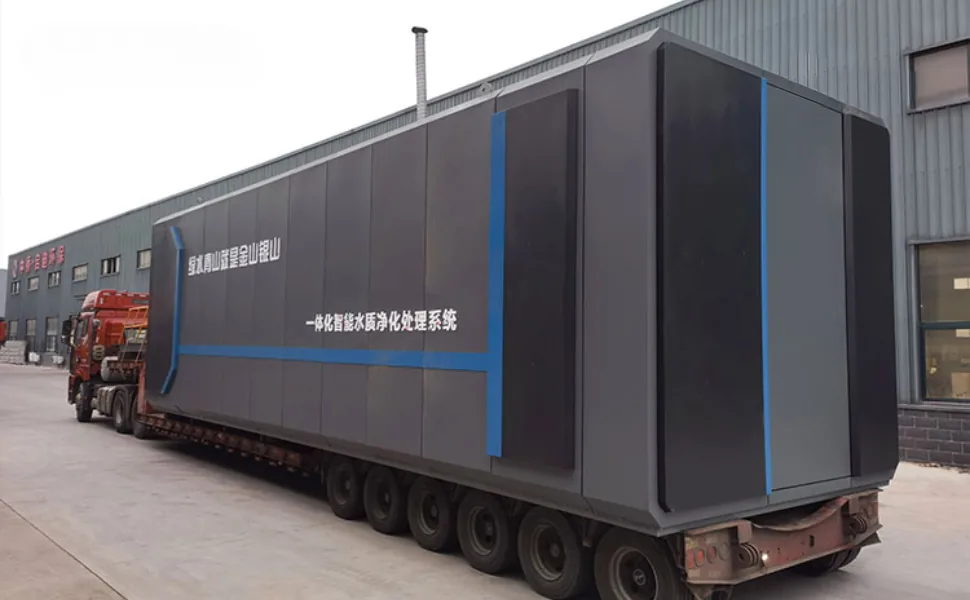
The completed enclosed system is shown outside the factory on a low-bed trailer.

50 m3/day

Stated treatment capacity

Henan

Project location

A²/O

Anaerobic–Anoxic–Oxic route

Meat Processing

Industrial wastewater source
Project Overview

What Was Manufactured For The Project

The Henan project combines influent buffering, three biological treatment environments, solids separation, disinfection and intelligent controls in a factory-prepared integrated equipment form.

Project At A Glance

LocationHenan Province, China
IndustryMeat processing
Wastewater sourceProduction wastewater from a meat processing plant
Stated capacity50 m3/day
Main processA²/O: Anaerobic–Anoxic–Oxic biological treatment
Wastewater design concernsOrganic matter, fats, proteins and suspended solids
PretreatmentCoarse screening and equalization
Final stagesSecondary sedimentation and disinfection
Control approachAutomated control and monitoring functions
Project stageIntegrated equipment manufactured and prepared for delivery
Comparable Project Inputs

Data Required For A Comparable System

For a comparable meat-processing wastewater project, final process configuration and equipment sizing depend on:

Numeric influent data and average/peak flow
Applicable discharge or reuse limits
Final PFD, internal recycle and sludge-return arrangement
Site interfaces and commissioning criteria
Engineering Decision

Why This Project Uses An A²/O Route

The project combines three biological environments to coordinate organic removal with nitrogen and phosphorus transformation while equalization protects the downstream biology from production variability. For a new plant, A²/O selection is checked against BOD₅/COD biodegradability, ammonia and TN, TP, oil and grease, peak loading and outlet limits.

01

Organic-Rich Wastewater

Meat-processing wastewater can contain biodegradable organics, fats, proteins and suspended solids. Screening and load balancing reduce avoidable stress before biological treatment.

02

Nutrient-Removal Logic

Anaerobic, anoxic and oxic environments create the operating conditions required for carbon removal, denitrification and biological phosphorus transformations.

03

Variable Production Conditions

Equalization buffers changes in flow and wastewater strength so aeration, biological loading and downstream clarification can be controlled more consistently.

System Integration

Integrated Equipment Built Around The Treatment Route

The system brings the A²/O route, downstream treatment and controls into a transportable factory-prepared equipment package.

Equipment Form

Enclosed Integrated Assembly

The project photographs show a full-size enclosed treatment unit prepared in the workshop and positioned on a transport trailer.

Biological Route

Anaerobic, Anoxic And Oxic Zoning

The three biological environments divide the process duties needed for organic degradation and nutrient transformation.

Downstream Stage

Clarification And Disinfection

Secondary sedimentation separates biological solids before the selected disinfection stage addresses the required microbial outlet target.

Operation

Automated Control And Monitoring

Automated control and monitoring functions support routine operation and equipment-status review for the integrated system.

Operation

Full-Size Integrated System Prepared For Transport

The second project photograph shows the enclosed treatment body, downstream equipment compartment and factory-stage transport preparation.
henan 50m3 a2o wastewater system factory dispatch
Visible Equipment Details

Factory-Prepared Integrated Treatment Unit

The workshop view establishes the physical scale and delivery form of the equipment used for the Henan meat-processing project.

Full-size enclosed treatment body
Panelized exterior prepared in the factory
Visible downstream solids-separation compartment
Complete unit positioned on a low-bed trailer
A²/O Process Route

Main Treatment Stages In The 50 m3/day A²/O System

Each stage has a distinct duty. Together they manage coarse solids, flow variation, biodegradable organics, nitrogen, phosphorus, biological solids and final disinfection.

Treatment AreaProject ConfigurationEngineering Role
Influent ManagementCoarse screens and equalization tanksScreens remove large solids. Equalization buffers changes in hydraulic flow and pollutant loading before biological treatment.
Anaerobic ZoneAnaerobic biological zoneProvides conditions without dissolved oxygen or nitrate for biological phosphorus release and carbon storage before the downstream anoxic and oxic stages.
Anoxic ZoneAnoxic denitrification stageDenitrifying bacteria use available carbon under oxygen-limited conditions to convert nitrate nitrogen into nitrogen gas.
Oxic ZoneAerobic biological treatmentSupports oxidation of remaining biodegradable organics, nitrification and biological phosphorus uptake under controlled aeration.
Final TreatmentSecondary sedimentation and disinfectionClarification separates biological solids; disinfection is selected to match the applicable microbial outlet requirement.

Typical A²/O hydraulic design: nitrified mixed liquor normally returns from the oxic zone to the anoxic zone, while return activated sludge moves from secondary clarification to the biological head. The final return points and recycle ratios depend on nitrogen targets, available carbon, sludge behavior and the project PFD.

Pretreatment for meat-processing wastewater: coarse screening and equalization precede the biological stages in this project configuration. Oil and grease, suspended solids and organic loading determine whether a new plant also requires oil separation, primary solids removal or DAF pretreatment.

A²/O
Project Status

Equipment Prepared For The Henan Project

The real workshop and outdoor photographs show the integrated 50 m3/day treatment unit positioned for transport after factory preparation.

From This Project To Your Plant

Connect This Project To Your Treatment Requirements

Use the project as a starting reference, then compare the industry route, equipment form and pretreatment choices that fit your actual wastewater.

Industry Solution

Food And Meat Processing Wastewater

Review pollutant profiles, treatment-route choices and design inputs for food, beverage and meat-processing wastewater.

Explore Food Industry Treatment
Integrated Equipment

Package Wastewater Treatment Plants

Compare factory-built equipment forms, biological routes, site connections and project-specific configuration inputs.

Compare Package Plants
Conditional Pretreatment

Dissolved Air Flotation Systems

Evaluate DAF where oil, grease, suspended solids or conditioned flocs require separation before downstream biological treatment.

Review DAF Pretreatment
Engineering Support

Project Design And Equipment Configuration

Turn water data, site conditions, outlet limits and supply scope into a project-specific process and equipment review.

Prepare Design Inputs
Project Questions

Answers For Buyers Planning A Similar System

Capacity, pretreatment and biological design must be checked against the new plant’s wastewater characteristics and outlet limits.

What capacity and process were used for the Henan meat-processing project?

The project uses a stated capacity of 50 m3/day and an A²/O biological route consisting of anaerobic, anoxic and oxic treatment zones.

Which wastewater characteristics matter most in a meat-processing plant?

Organic matter, fats, proteins and suspended solids are important design concerns. Nitrogen, phosphorus, pH, temperature, cleaning chemicals, daily production schedules and peak flow should also be measured for a new project.

What are the main treatment stages in this A²/O system?

The main liquid-line stages are coarse screening and equalization, followed by anaerobic, anoxic and oxic biological treatment, secondary sedimentation and disinfection. Typical A²/O hydraulic design also includes nitrified mixed-liquor recycle and return activated sludge; the final arrangement is set in the project PFD.

Why is equalization important before A²/O treatment?

Production and cleaning cycles can change both flow and wastewater strength. Equalization reduces short-term shocks and gives the biological stages a more manageable hydraulic and organic load.

Is DAF pretreatment always required before A²/O?

No. Coarse screening and equalization precede the biological stages in this project configuration. DAF may be evaluated for another plant when oil, grease, suspended solids or chemically conditioned flocs require stronger separation before biological treatment.

What data should be submitted for a similar project?

Send wastewater source, average and peak flow, composite water analysis, production and cleaning schedule, oil and grease, COD, BOD, suspended solids, ammonia, TN, TP, pH, outlet limits, site layout, utilities and required supply scope.

Similar Project RFQ

Request A Project-Specific Equipment Review

Send the plant process, average and peak flow, wastewater variation, outlet target and site constraints through the Motiva RFQ / Water Data Form.

Wastewater source and average/peak flow
COD, BOD, SS, oil and grease, ammonia, TN, TP and pH
Production shifts, cleaning schedule and flow variation
Discharge, reuse or downstream treatment target
Site footprint, access, utilities and required supply scope

Motiva RFQ / Water Data Form

Water-quality reports, site layouts, production schedules and project photographs can be included with the inquiry.

Attach PDF, Excel or image reports when available. Actual configuration depends on wastewater characteristics and project requirements.

Great! We have received your message. Someone in charge will contact you shortly.

We are unable to process your submission. Please try again.

滚动至顶部

Request A Quote

Attach PDF, Excel or image reports when available. Actual configuration depends on wastewater characteristics and project requirements.

Great! We have received your message. Someone in charge will contact you shortly.

We are unable to process your submission. Please try again.