Product Systems

Wastewater Treatment Systems & Equipment

Your wastewater source, pollutant profile, flow rate, site layout and discharge target decide the treatment route before equipment is selected. Based on that route, packaged plants, DAF pretreatment, MBR/MBBR biological units, PP tanks, anaerobic reactors and advanced treatment modules become the equipment scope.
Start With The Water
COD, BOD, SS, pH, salinity, oil, color, metals and target standards shape the route.
Separate Process Roles
Pretreatment, biological treatment, anaerobic stages, polishing and ZLD review stay distinct.
Prepare A Cleaner RFQ
Capacity, material, footprint, installation form and document needs are reviewed together.
Motiva Workshop
System route review Equipment scope RFQ inputs
Water Data First

Build The System From Water Data

A treatment system should not start from a fixed model list. Source, pollutant load, biodegradability, salinity, target boundary and site layout decide whether the route needs pretreatment, biological treatment, anaerobic treatment, advanced polishing, reuse or ZLD review.

Inputs That Change The Route

Send basic project data first. A lab report helps, but the first review can begin with source type, daily flow and target outlet requirement.
01

Wastewater source, industry, current process and expected operating hours.

02

Flow rate, peak flow, equalization condition and available footprint.

03

COD, BOD, SS, NH3-N, pH, TDS, salinity, oil, color, heavy metals or other known indicators.

04

Discharge, reuse, pretreatment-before-existing-system or ZLD target.

05

Material, installation form, transport, climate, documentation and schedule requirements.
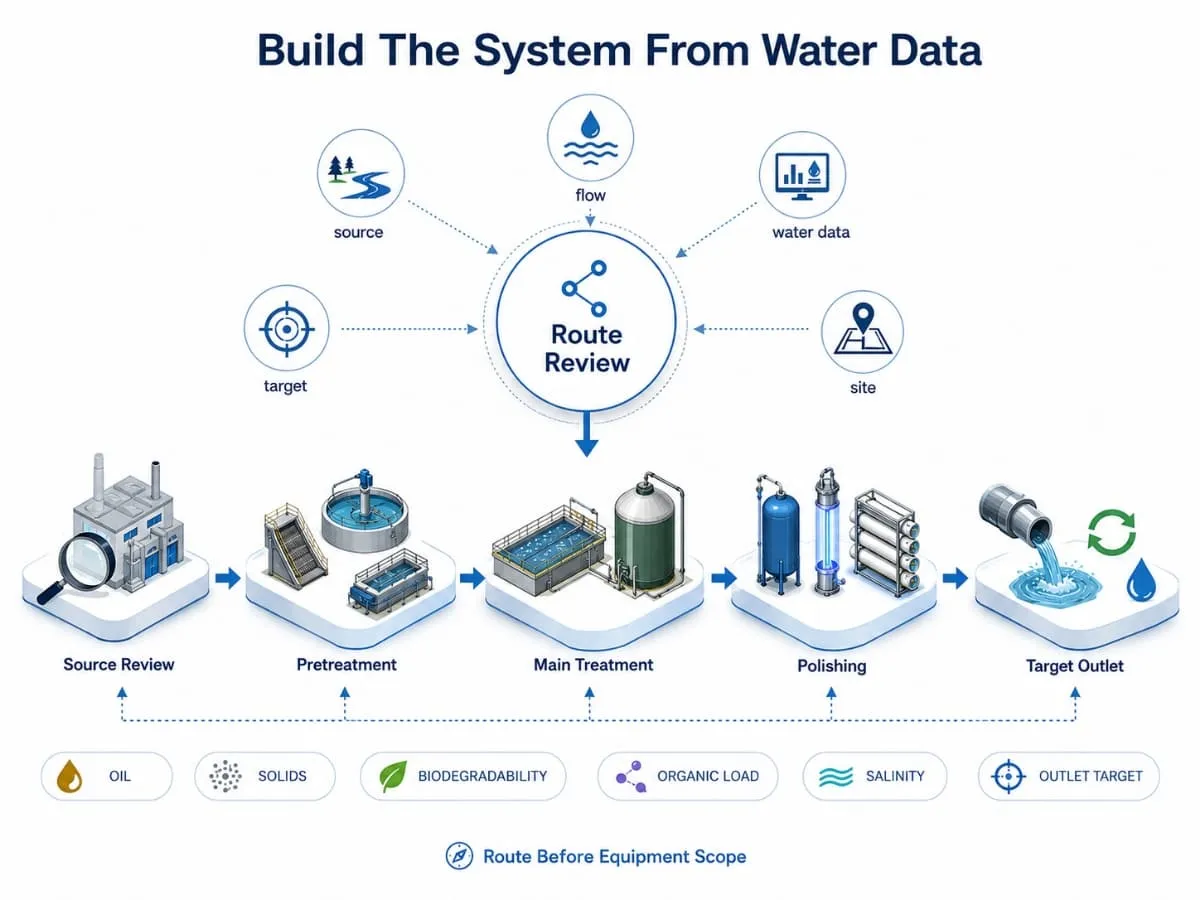
Wastewater treatment process route

Route Before Equipment Scope

Oil, suspended solids, biodegradability, organic load, turbidity, salinity and discharge targets determine which treatment stages belong in the route.

Source Review Pretreatment Main Treatment Polishing Target Outlet
Process Roles

Process Routes And Equipment Roles

Equipment selection is clearer when each product line keeps its engineering role. Heavy process units such as IC anaerobic reactors, advanced oxidation reactors and ZLD route units should not be treated as light accessories.

Stage Equipment Role Useful When Data Needed
PretreatmentScreening, dosing, DAF, sedimentation and filtration. Removes oils, suspended solids, light flocs, colloids and hard-settling material before downstream treatment. Food, slaughterhouse, refinery, dyeing, electroplating and mixed industrial wastewater often need pretreatment review. Oil, SS, pH, coagulant need, flow variation, sludge handling and downstream route.
Biological TreatmentMBR, MBBR, BFTR, A/O, AAO and packaged systems. Treats biodegradable organic wastewater and sewage where biological conversion fits the target. Domestic sewage, decentralized sites and selected organic industrial wastewater after influent review. COD, BOD, NH3-N, temperature, biodegradability, footprint and effluent target.
Anaerobic StageIC internal circulation anaerobic reactor. Can form the core anaerobic stage for medium- and high-concentration organic wastewater. High-strength organic wastewater where volumetric load, biodegradability and downstream treatment are reviewed together. CODcr, load, alkalinity, temperature, toxicity, gas handling and post-treatment target.
Advanced TreatmentFCM-IV, SF, SAO3/SO, SG, STF, SE and ZLD routes. Reviews refractory organics, color, heavy metals, acidic streams, salinity, reuse or zero-discharge targets. Difficult industrial wastewater where standard pretreatment and biological treatment may not be enough. Salt composition, COD fractions, color, metals, pH, recovery target and disposal route.
Process SupportPump stations, dosing, filters and sedimentation equipment. Supports lifting, conditioning, separation, polishing and solids management around the main route. Projects needing collection, chemical preparation, filtration, sedimentation or compact site arrangement. Hydraulic lift, dosage, filtration load, solids volume, layout and maintenance access.
Equipment Lines

Equipment Lines For Complete Treatment Systems

Each equipment line has a different role in a full system. The final scope may combine packaged treatment, pretreatment, biological treatment, material-specific tanks, anaerobic reactors, polishing modules or high-difficulty wastewater units.
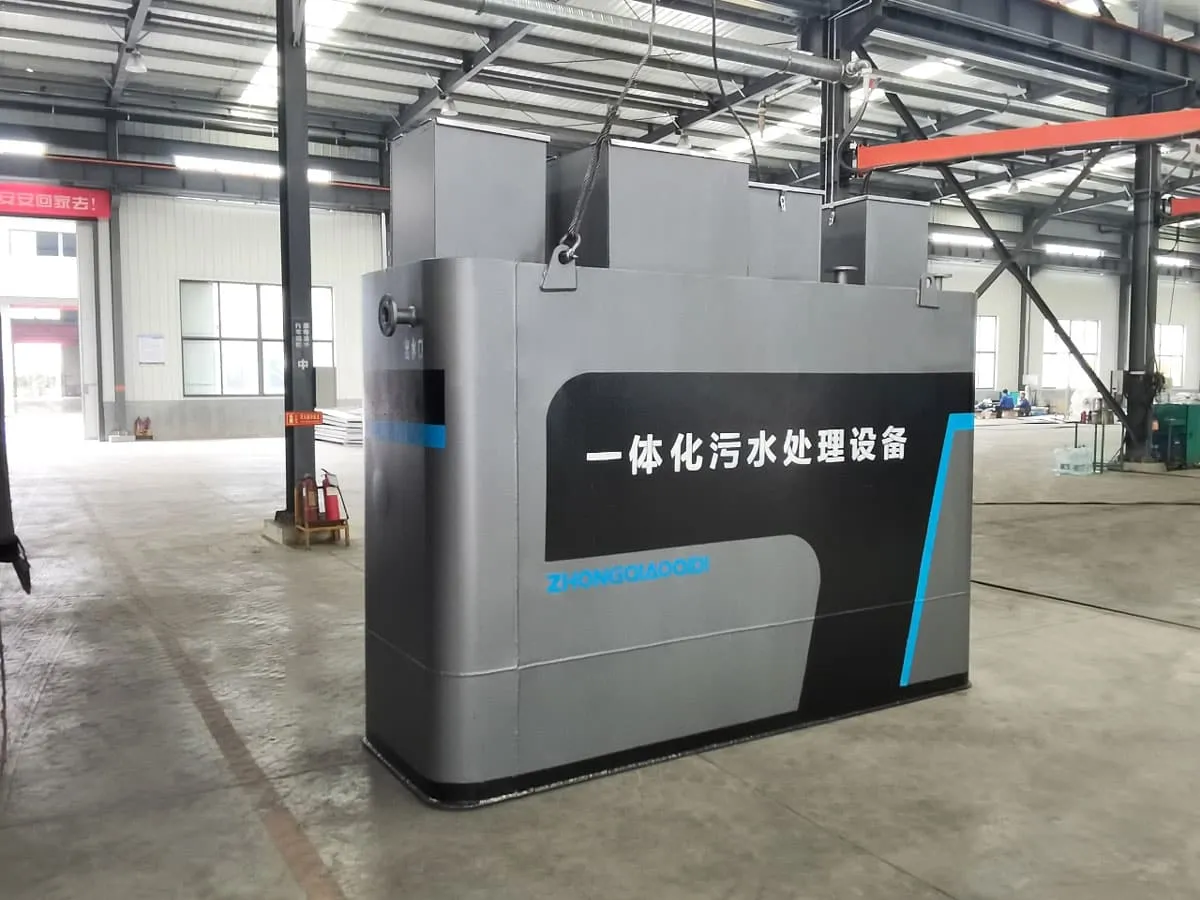
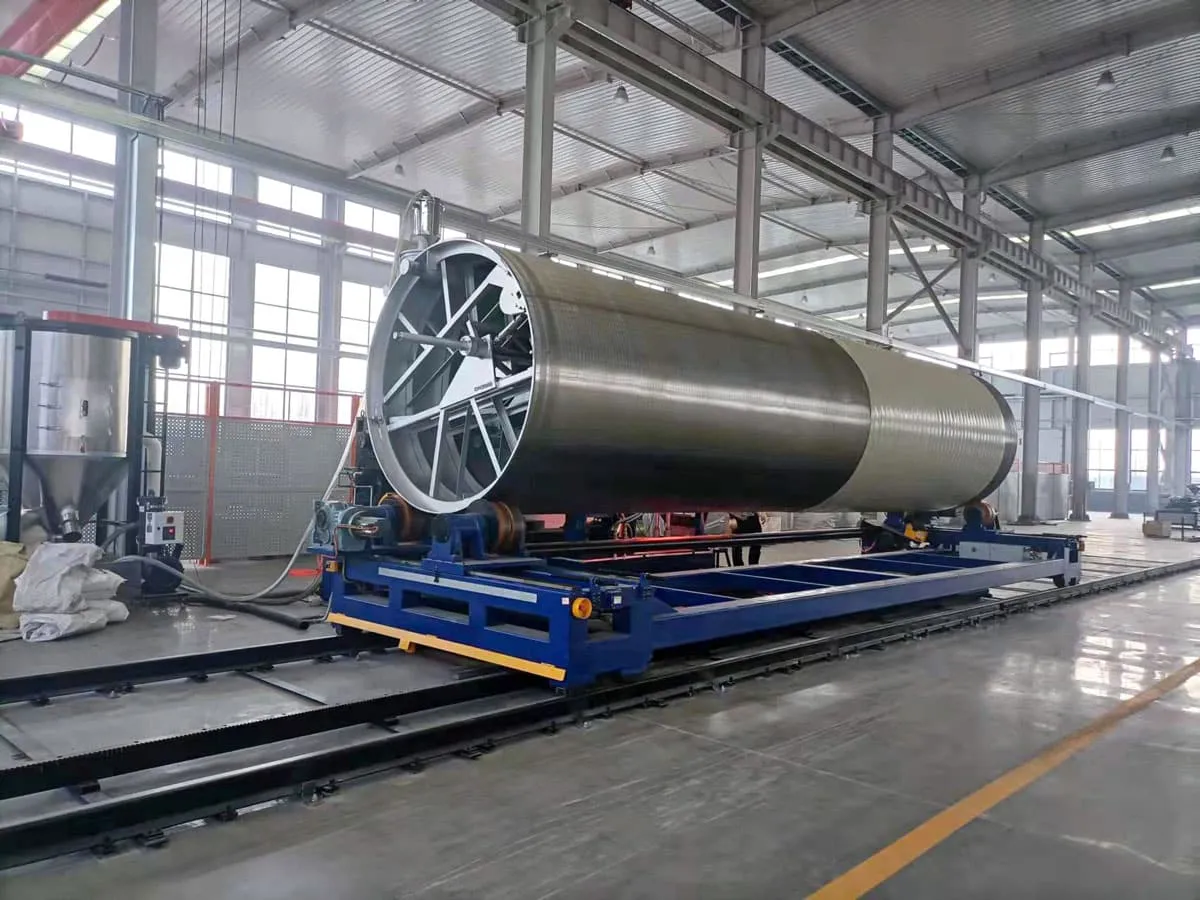
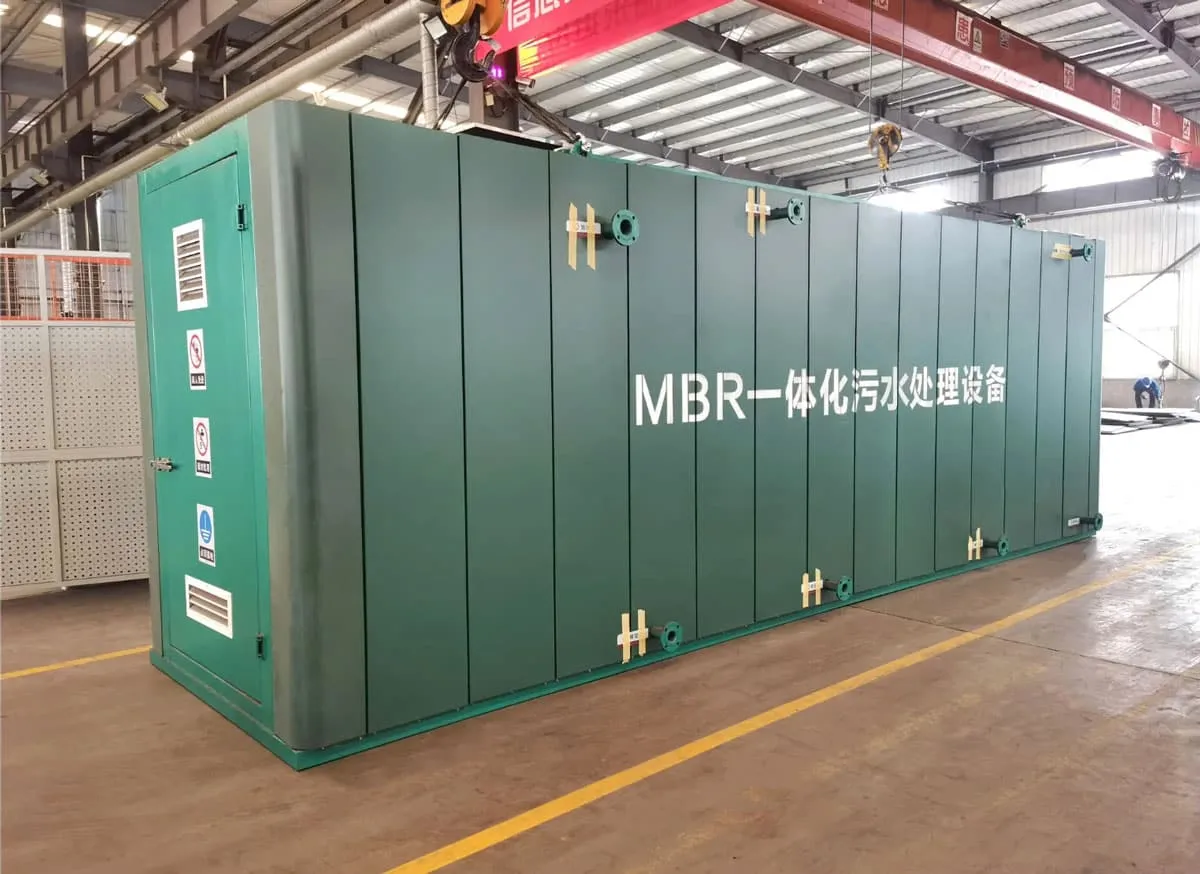
Motiva packaged wastewater treatment plant manufacturing workshop

Packaged Wastewater Treatment Plants

For decentralized sewage, domestic wastewater and selected organic wastewater where a compact factory-built route is preferred.
MBR MBBR BFTR QD Tank MV
Review Packaged Plant Options
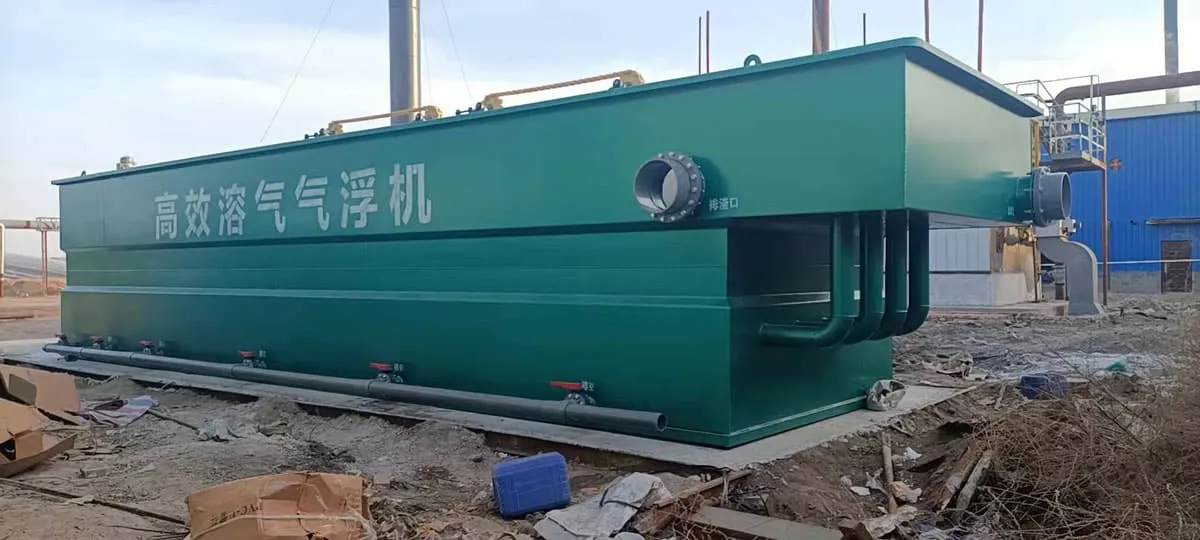
DAF pretreatment project equipment photo

DAF And Pretreatment Systems

For oils, suspended solids, colloids and light flocs before biological, advanced or polishing stages.
GW DAF YW DAF QDPP DAF Dosing
Compare DAF Systems
MBR Biological Wastewater Treatment Systems

MBR And MBBR Biological Systems

For sewage and selected organic wastewater where biodegradability, footprint and target outlet support a biological route.
WSZ MBR WSZ MBBR A/O AAO
Evaluate MBR Systems
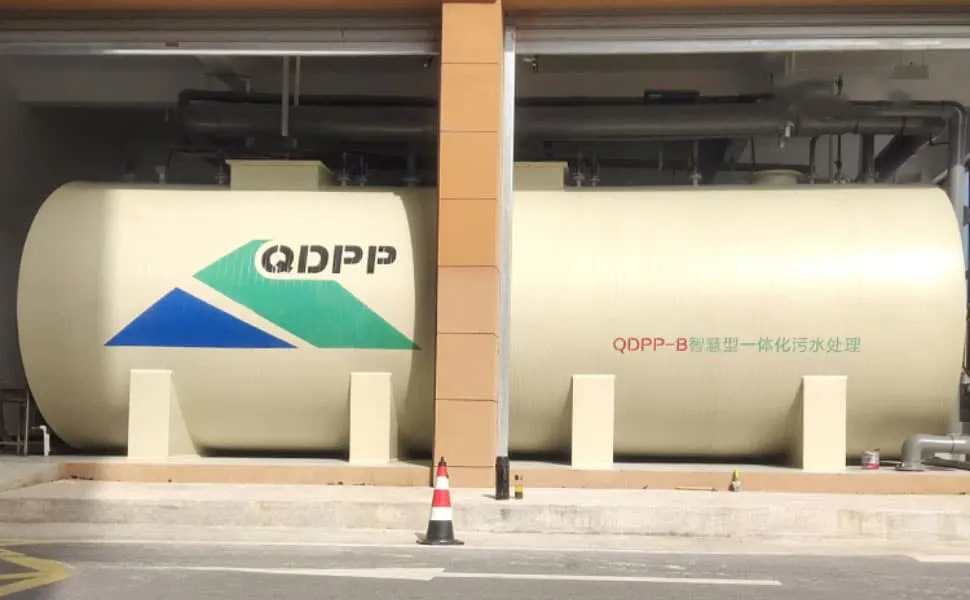
Anhui medical QDPP integrated sewage treatment equipment project

QDPP And PP Integrated Tanks

For compact, buried, vertical or corrosion-sensitive projects where polypropylene structure and layout matter.
Horizontal A/B Vertical A Hollow Tank PP Material
Select PP Tank Routes
HMPP integrated prefabricated pump station

Anaerobic Reactors And Process Support

IC reactors can carry a main anaerobic stage. Pump stations, dosing, filters and sedimentation equipment support the route.
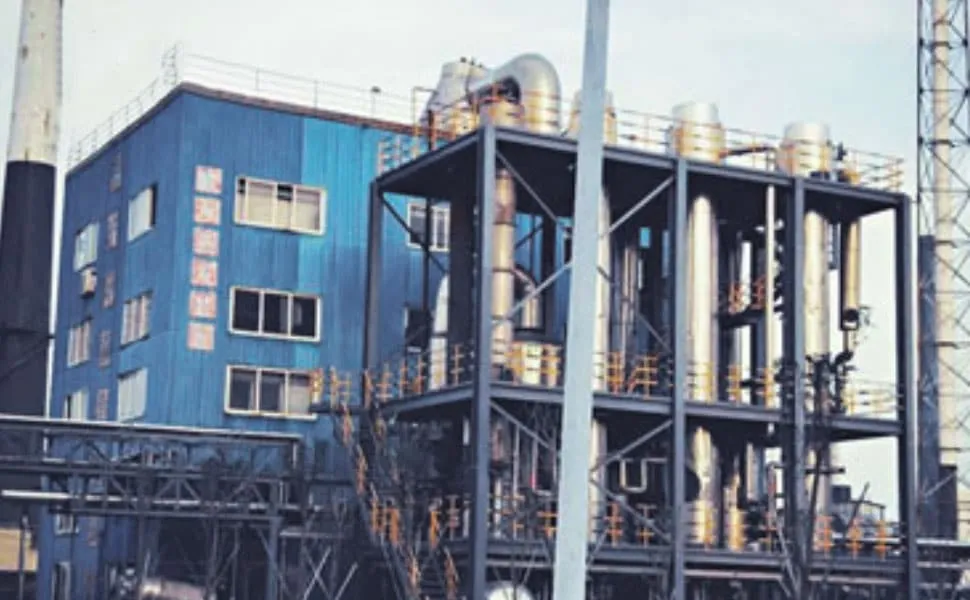
IC Reactor HMPP Pump Station Filter Sedimentation
Define Reactor Scope
Zero Liquid Discharge (ZLD) Technology for Industrial Wastewater

Advanced Treatment And ZLD Routes

For refractory organics, color, heavy metals, acidic wastewater, high salinity, reuse or zero-discharge review.

FCM-IV SF SAO3/SO SE ZLD
Review Advanced Routes
Early RFQ Review

Specification Ranges For Early RFQ Review

The reference ranges below support initial equipment comparison. Final sizing, power, material, cost and treatment scope depend on wastewater and project review.

Equipment Line Reference Range When To Evaluate RFQ Inputs
MBR Integrated PlantWSZ MBR with A/O + membrane bioreactor. 5-500 m3/day Range. Compact biological treatment, reuse or tighter effluent review where membrane separation is suitable. COD, BOD, NH3-N, SS, TP, pH, membrane maintenance expectation and target outlet.
MBBR Integrated PlantWSZ MBBR with suspended carriers. 5-500 m3/day Range. Biological treatment where carrier-based biofilm process, shock tolerance and footprint are reviewed. COD/BOD ratio, NH3-N, temperature, carrier route, footprint and discharge target.
QDPP / PP Integrated TanksHorizontal, Vertical A and hollow tank options. Horizontal A/B: 5-500 m3/day Range. Vertical A: 30-150 m3/day Range. Corrosion-sensitive, compact, buried or PP-material projects with Grade A/B process distinctions. Material requirement, target standard, installation form, tank layout and transport limits.
QD Tank And MV Modular SystemsSmall and modular vertical wastewater treatment plants. QD Tank: 1-24 m3/day Range. MV: 30-500 m3/day Range. Decentralized sites, rural facilities, villages, towns, difficult terrain or module-based layouts. Daily flow, people served, footprint, terrain, voltage, access and sludge discharge route.
DAF PretreatmentYW DAF, GW flotation and QDPP vertical-flow DAF. YW DAF: 1-200 m3/hour Range. GW and QDPP DAF support compact pretreatment review. Oil, light flocs, suspended solids, colloids and hard-settling material before downstream treatment. Oil, SS, pH, coagulant needs, dissolved air method, material and sludge handling.
IC Anaerobic ReactorInternal circulation anaerobic reactor. Diameter 4,000-10,000 mm; height 16,000-28,000 mm; volumetric load 10-28 kg CODcr/m3*d. Medium- and high-concentration organic wastewater requiring a core anaerobic treatment stage. CODcr, flow, load, biodegradability, temperature, toxicity, biogas handling and downstream target.
Filters And SedimentationMechanical filter and inclined tube sedimentation tank. Mechanical filter: 4-55 m3/hour Range. Inclined tube sedimentation: 5-50 m3/hour Range. Polishing, suspended solids reduction, media filtration or solid-liquid separation around the main route. SS, turbidity, media preference, backwash condition, solids load and hydraulic flow.

Reference ranges support initial equipment selection. Final dimensions, power, operating cost and treatment route are confirmed after wastewater characteristics, site layout, material requirements and discharge targets are reviewed.

Water Source Match

Match System Type To Wastewater Source

The same equipment family can be configured differently when wastewater source, pollutant profile, salinity, material condition, site layout or outlet target changes.
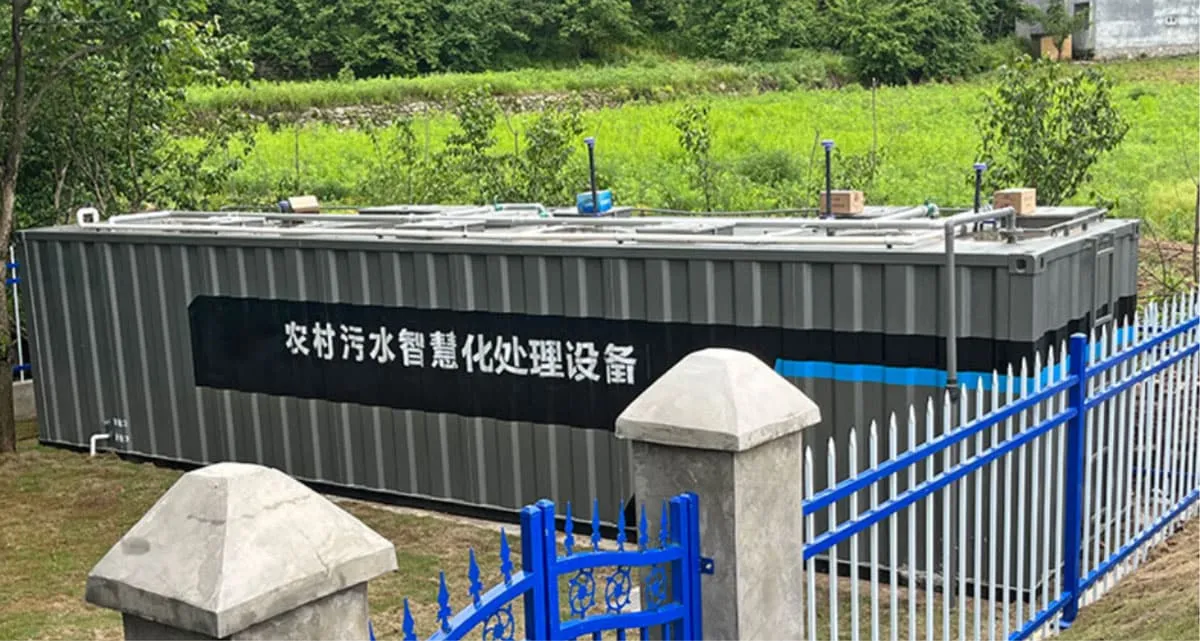
Packaged Wastewater Treatment Plants for domestic sewage

Domestic And Decentralized Sewage

Villages, camps, scenic areas and small facilities often require packaged plants, MBR, MBBR, QD Tank, MV or QDPP routes depending on flow, footprint and outlet target.

Review Domestic Sewage Routes
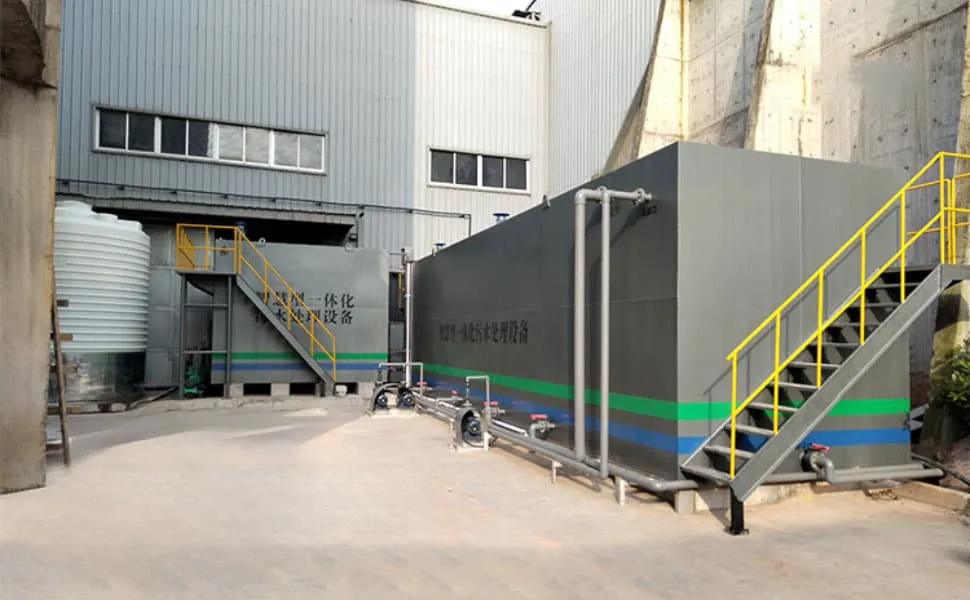
300 m3 per day industrial wastewater treatment project with integrated equipment

Industrial Wastewater

DAF, biological treatment, IC anaerobic reactors, oxidation and polishing may be combined by COD, oil, SS, color, metals or salinity.

Compare Industrial Routes
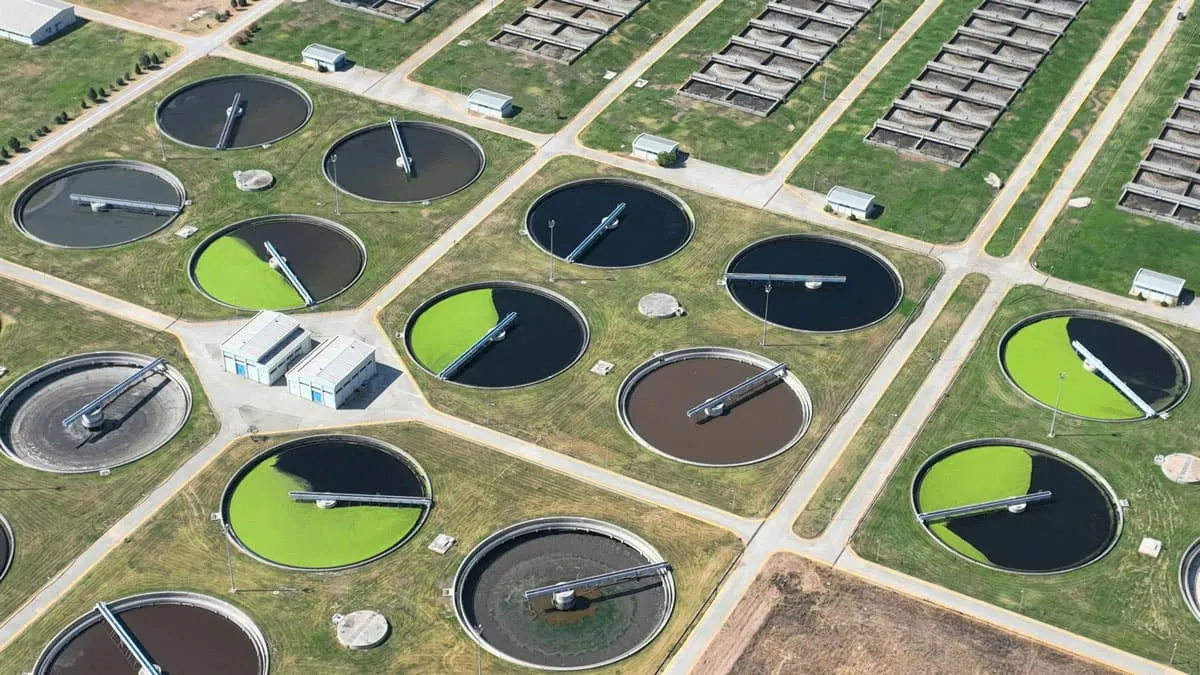
Industrial Wastewater Treatment System

Industrial Park Wastewater

Mixed influent often needs equalization, pretreatment, staged biological treatment and separate review for difficult streams.

Evaluate Park Treatment Routes
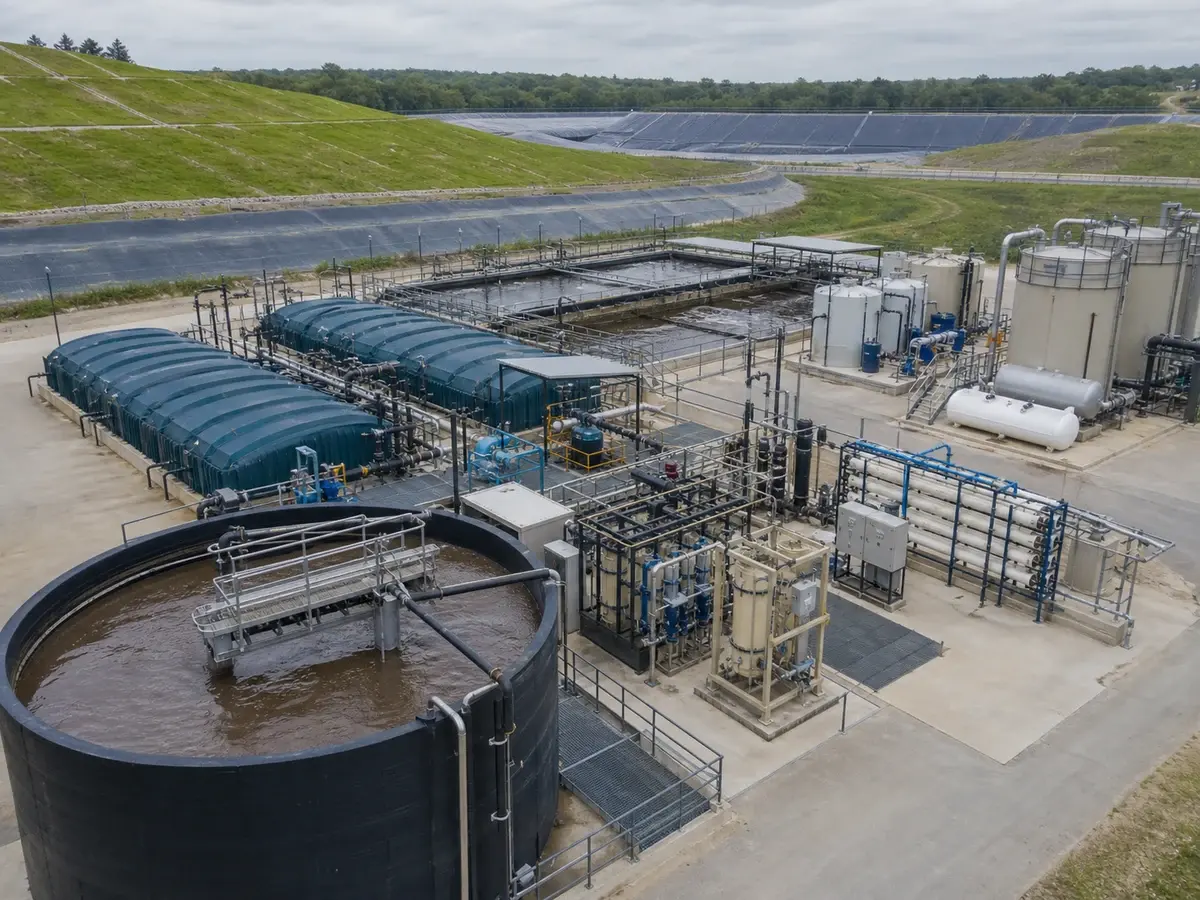
solution leachate treatment project scene

Leachate Treatment

Leachate routes need careful review of COD, ammonia, color, salinity, membrane concentrate and advanced treatment boundaries.

Review Leachate Treatment
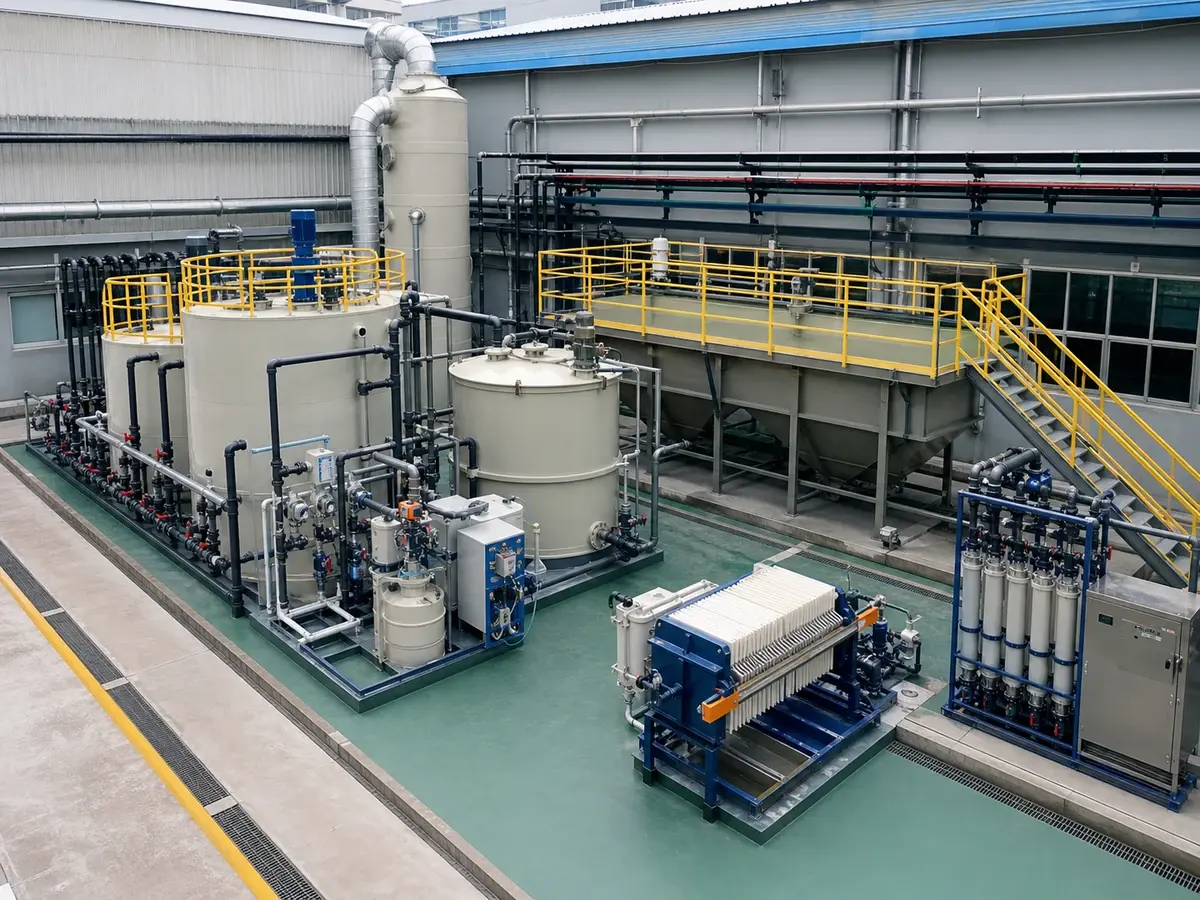
solution acidic wastewater project

Acidic Wastewater

Acidic and mixed-acid streams require material, corrosion, recovery and evaporation route review before equipment scope is quoted.

Evaluate Acidic Wastewater Routes
Zero Liquid Discharge (ZLD) Technology for Industrial Wastewater

Zero Liquid Discharge Review

ZLD routes depend on salinity, COD, recovery target, concentrate handling, energy boundary and project economics.

Review ZLD System Routes
Customization Scope

Custom Materials, Layout And Delivery Scope

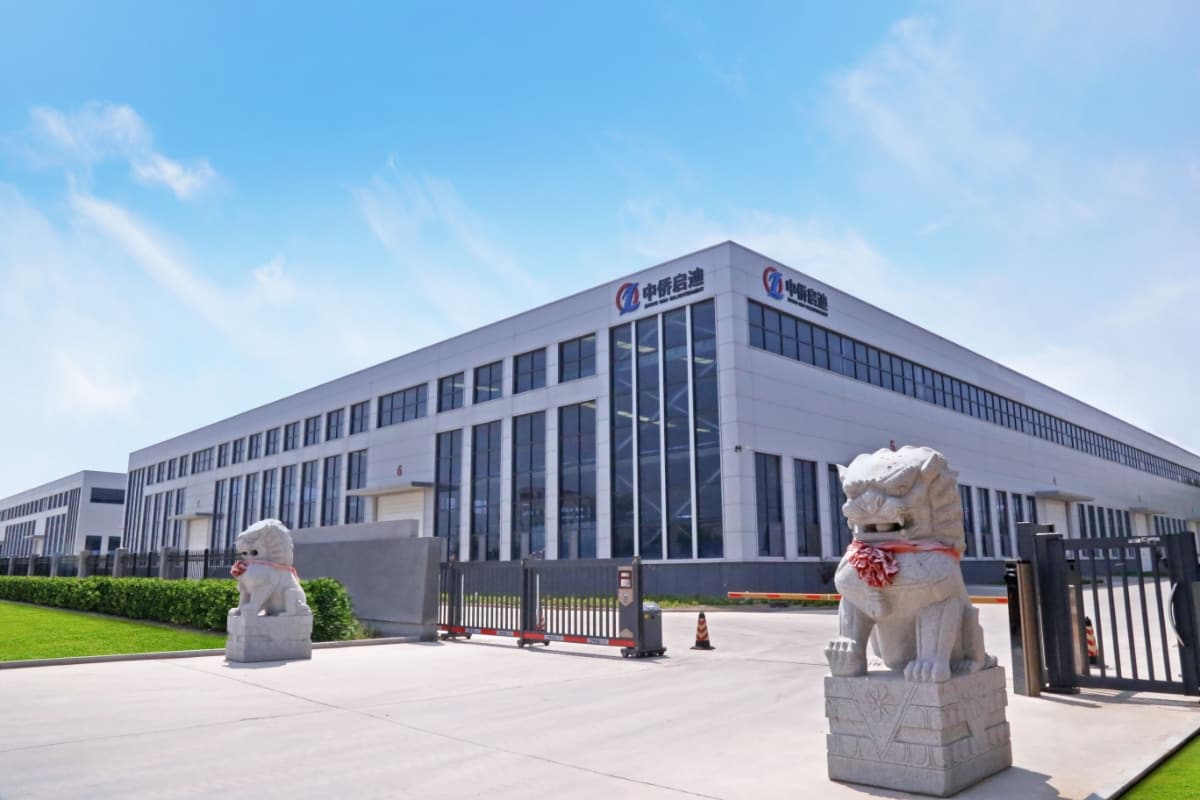
Our equipment can be customized by flow rate, site layout, material requirement and process route. The right delivery form depends on product size, transport limits, installation conditions and documentation needs.
MAT

Define Material Requirements
Carbon steel, PP/QDPP, HMPP and corrosion-resistant choices are reviewed against wastewater and site conditions.

LAY

Check Layout And Access
Footprint, buried or above-ground installation, module count, pipe position and maintenance access affect scope.

DOC

Prepare Procurement Files
Drawings, technical descriptions, certificates and quality documents can be matched to the requested product scope.

EXP

Review Export Delivery Conditions
Packaged, modular and container-oriented configurations can be checked against transport and site installation needs.
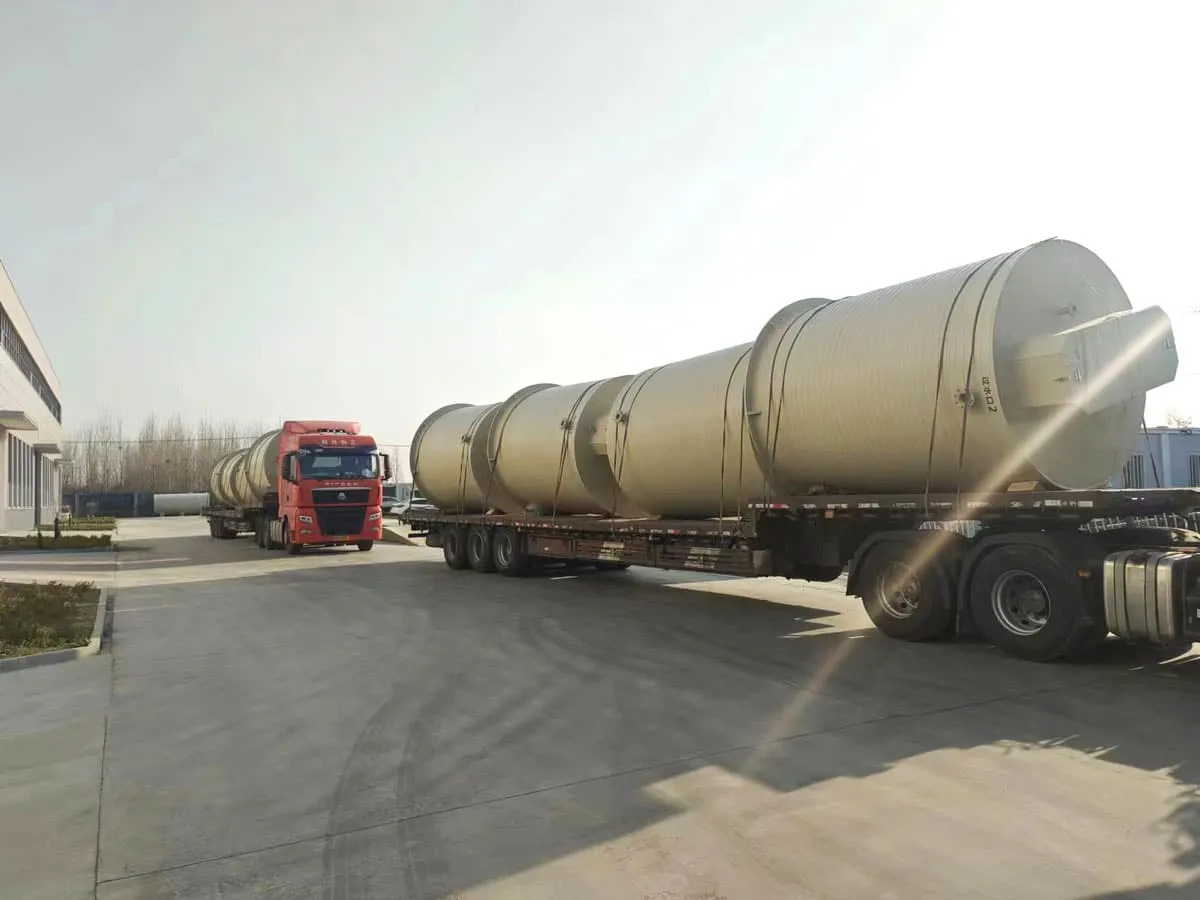
Motiva wastewater equipment factory workshop
Project Experience

Selected Wastewater System References

elected references combine different pretreatment, biological and delivery configurations. Performance for a new project depends on its influent data, outlet target and design review.
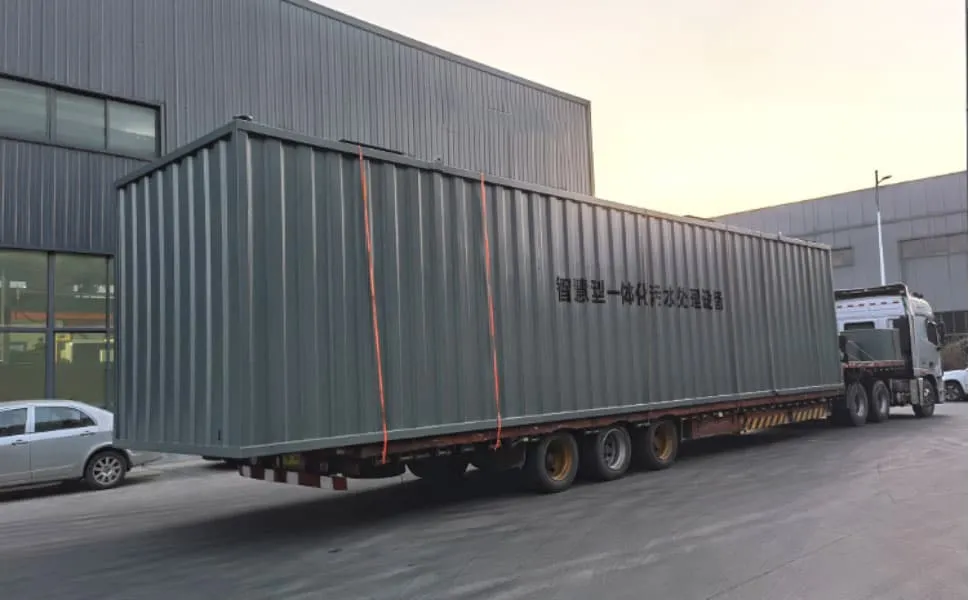
300 m3 per day modular containerized wastewater treatment project
300 m3/day Modular Route

Modular Containerized Wastewater Project

A 300 m3/day modular project combining pretreatment and biological treatment equipment, including DAF, MBR and MBBR-related system elements.
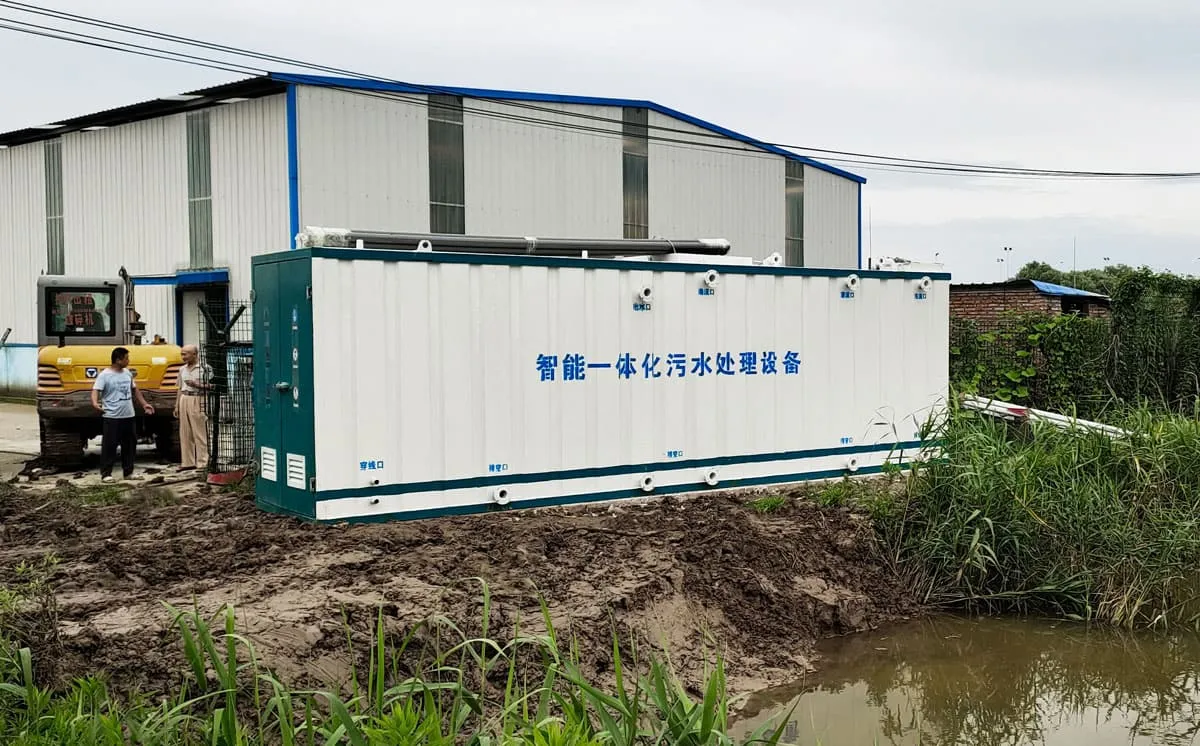
Containerized wastewater treatment project photo
Approx. 68 m3/day Containerized

Containerized Wastewater System Export

A containerized wastewater treatment system exported for overseas use, with compact layout and delivery coordination reviewed as part of the equipment scope.
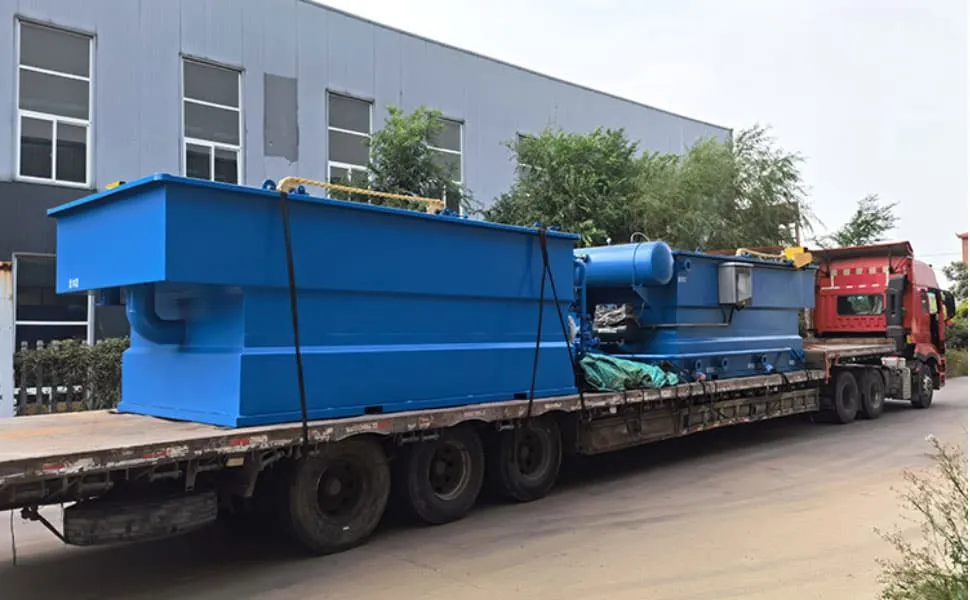
Dissolved air flotation pretreatment project for slaughterhouse wastewater
DAF Food Wastewater

DAF Pretreatment For Slaughterhouse Wastewater

A DAF wastewater treatment project for slaughterhouse wastewater, showing how flotation can support pretreatment before downstream route review.

System RFQ

Send Water Data For System Review

Send one set of project inputs for technical review of the treatment route, equipment combination, material boundary and early RFQ scope without restarting the inquiry.

Useful water inputs: source, flow rate, COD, BOD, SS, NH3-N, pH, TDS, oil, color, heavy metals and salinity. Project targets: discharge standard, reuse goal, ZLD review, site limits, material preference and delivery form. Final sizing, outlet route, operating cost and system configuration are confirmed after technical review.

Wastewater Treatment RFQ Setup Checklist

System selection starts with the wastewater source, flow rate, pollutant profile, site limits and the required outlet target.

Full system review continues through the Motiva RFQ / Water Data Form when project inputs are ready.

Motiva RFQ / Water Data Form

Prepare the project basics first. A water-quality report or process sketch can shorten the first review when available.

1

Add wastewater source, flow rate, country or region, target outlet and project timeline.

2

Include COD, BOD, SS, NH3-N, pH, TDS, oil, color, metals or a lab report when available.

3

Route review comes first, then equipment families, material needs and RFQ scope are narrowed.

The shared inquiry path supports product selection, solution review and complete system scoping from the same project input set.

FAQ

Wastewater Treatment System FAQ

These questions help buyers move from early equipment comparison to a practical system RFQ without assuming one standard configuration fits every wastewater source.

A system may include screening, equalization, chemical dosing, DAF, biological treatment such as MBR or MBBR, IC anaerobic treatment, sedimentation, filtration, advanced oxidation, evaporation or ZLD route units depending on the water data.

Oil, suspended solids and light flocs point the review toward DAF pretreatment. Biodegradability, footprint, flow rate and target outlet shape MBR or MBBR selection.

An IC reactor enters the route review for medium- and high-concentration organic wastewater when volumetric load, biodegradability, temperature, gas handling and downstream polishing are suitable.

Cost depends on capacity, pollutant load, process route, material, controls level, footprint, civil conditions, delivery form, documentation needs and the discharge, reuse or ZLD target. Our engineers prepare fixed pricing only after the route, equipment scope and project conditions are clear.

No. Food, textile, electroplating, petrochemical, acidic wastewater, leachate and high-salinity streams can require very different routes, even when some equipment families appear similar.

No. ZLD review depends on salinity, COD, water recovery target, concentrate handling, energy boundary and project economics. It should be reviewed separately from standard treatment routes.

滚动至顶部

Request A Quote

Attach PDF, Excel or image reports when available. Actual configuration depends on wastewater characteristics and project requirements.

Great! We have received your message. Someone in charge will contact you shortly.

We are unable to process your submission. Please try again.