Home / Products / MBR Wastewater Treatment Plant
A/O + Membrane Bioreactor

MBR Wastewater Treatment Plant

Motiva MBR systems combine biological treatment with membrane separation for compact domestic sewage, decentralized wastewater and selected organic wastewater projects. Flow rate, influent quality, outlet target and site layout shape the final equipment scope.
5-500 m3/d Range
WSZ reference models support early capacity and layout comparison.
PVDF Membrane
Membrane separation supports compact solid-liquid separation after biological treatment.
Project-Based Scope
Final sizing, power, drawings and cost depend on wastewater and site review.
1783756812314 1818b0fbf0c2f8
Integrated Tank Membrane Separation Control Cabinet
WSZ Series
MBR integrated sewage treatment plant model family for early comparison.
A/O + MBR
Biological treatment followed by membrane solid-liquid separation.
ISO Systems
ISO 9001, ISO 14001 and ISO 45001 support supplier management review.
CEP
China Environmental Protection Product Certification is listed for compliance review.
Engineering Qualification
Environmental engineering contracting qualification supports project delivery review.
40,000 m2 Factory
Workshop area supports equipment fabrication, assembly and delivery preparation.
Selection Fit

When MBR Fits The Treatment Route

MBR review starts with wastewater characteristics, flow, footprint and outlet target. The route works best when biological treatment is suitable and membrane separation is needed to reduce footprint or improve solids separation.

Review These Conditions First

MBR should be evaluated as part of the full route, especially when upstream screening, equalization or pretreatment affects membrane load and cleaning needs.

Daily and peak flow fit the reference model range or a customized equipment scope.
COD, BOD, ammonia nitrogen, SS, TP and pH are suitable for biological treatment review.
Oil, grease, fiber, high salinity, toxic compounds or poor biodegradability are checked before MBR selection.
Outlet target, site footprint, access for maintenance and sludge handling are clear enough for early layout review.
Domestic Sewage Decentralized Sites Organic Wastewater Compact Footprint Membrane Separation
BIO
Biological Treatment Comes First
A/O biological treatment handles organic load and nitrogen-related review before membrane separation.
MEM
Membrane Separation Replaces Secondary Settling
Membrane modules support compact solid-liquid separation where a conventional clarifier would need more space.
PRE
Pretreatment Protects The Route
Screening, equalization, oil control or DAF may be reviewed before MBR when influent solids or grease are high.
RFQ
Water Data Narrows The Equipment Scope
Flow, indicators, target outlet and site limits decide model range, membrane area, tank layout and accessories.
Process Route

A/O + MBR Process In One Compact Equipment Scope

For suitable wastewater, the biological stage reduces organic load and supports nitrogen-related treatment review, while the membrane tank separates mixed liquor from treated water. The route can be configured with screening, equalization, disinfection, sludge discharge and control systems according to project needs.
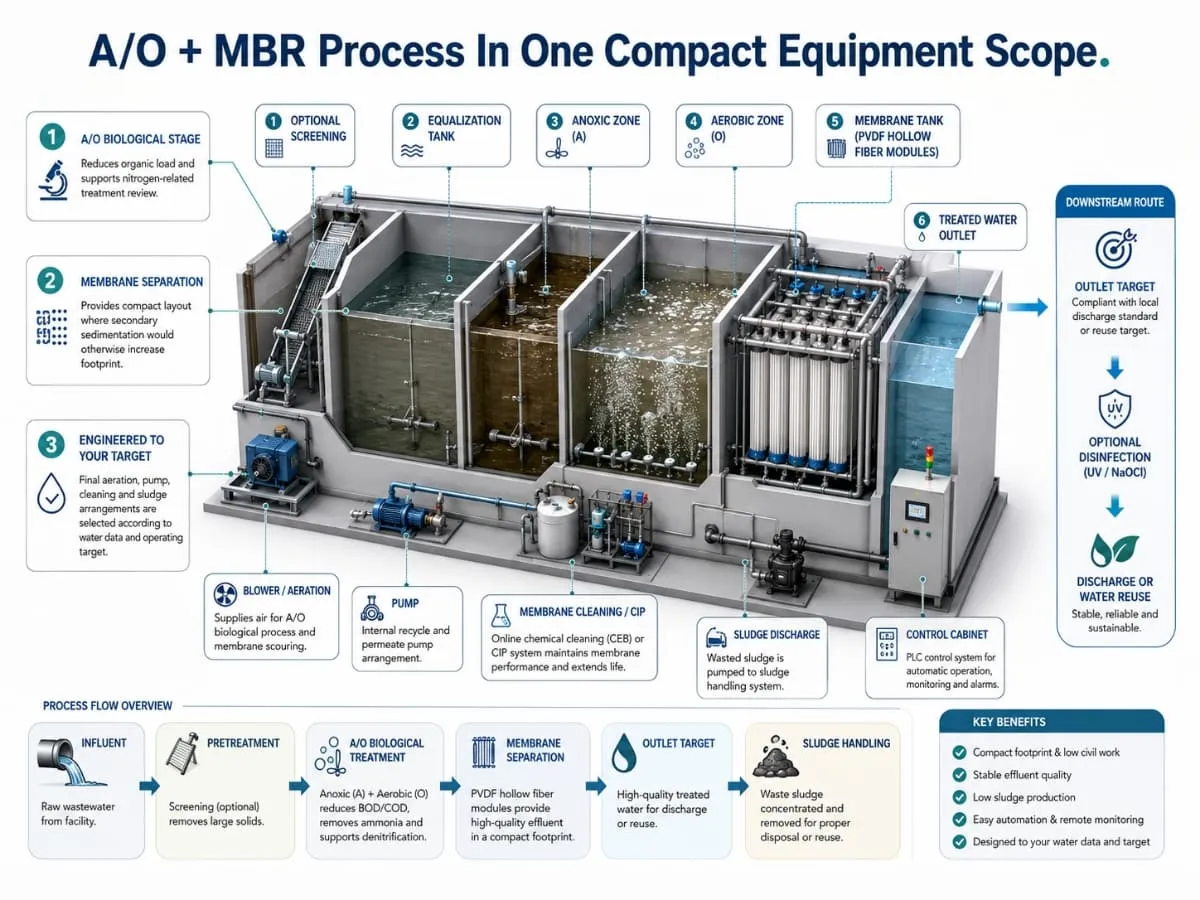
Membrane separation supports a compact layout where secondary sedimentation would add footprint.
PVDF hollow fiber membrane modules are used in the confirmed MBR product knowledge.
Final aeration, pump, cleaning and sludge arrangements are reviewed with water data and operating target.
1783756812316 862b41339aa678
A typical MBR route reviews influent, pretreatment, A/O biological treatment, membrane separation, outlet target and sludge handling together.

1

Screen
Remove coarse solids before biological and membrane stages.

2

Equalize
Balance flow and pollutant variation where the project requires it.

3

Treat
A/O biological treatment handles organic load and nitrogen-related review.

4

Separate
MBR membrane modules separate treated water from mixed liquor.

5

Discharge
Outlet, disinfection and sludge handling depend on the project target.
WSZ Model Range

Complete WSZ MBR Model Table For Early Selection

The WSZ MBR model family covers approved reference rows from 5 to 500 m3/d. Use the complete table for initial comparison; final drawings, grouping, power configuration, operation scope and quotation are confirmed after wastewater and project review.

HTML content removed

Use operating power for early energy review. A practical estimate is operating power x expected running hours x local electricity tariff; final operating cost depends on local power price, operation schedule, aeration strategy, cleaning cycle, influent load and project configuration.
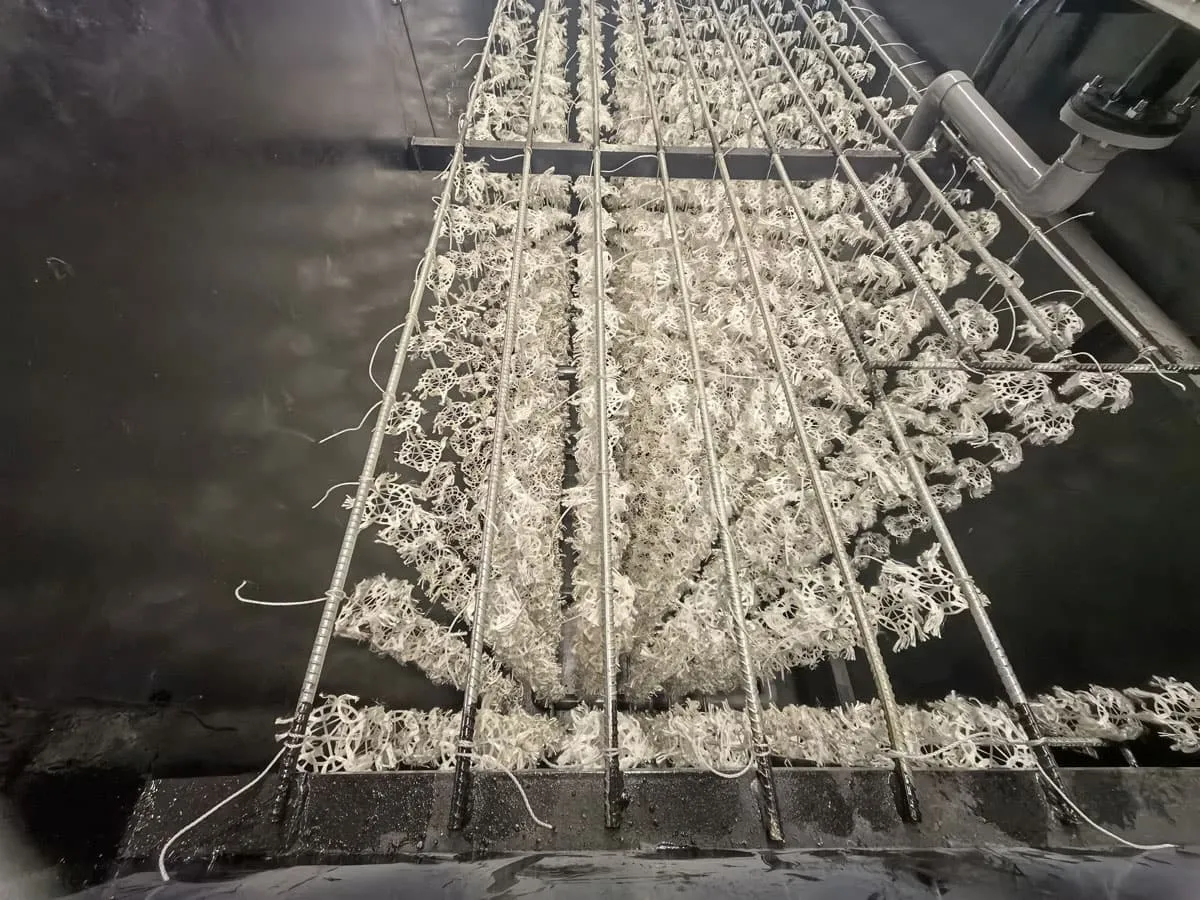
1783756812316 5ce25173b5e8d
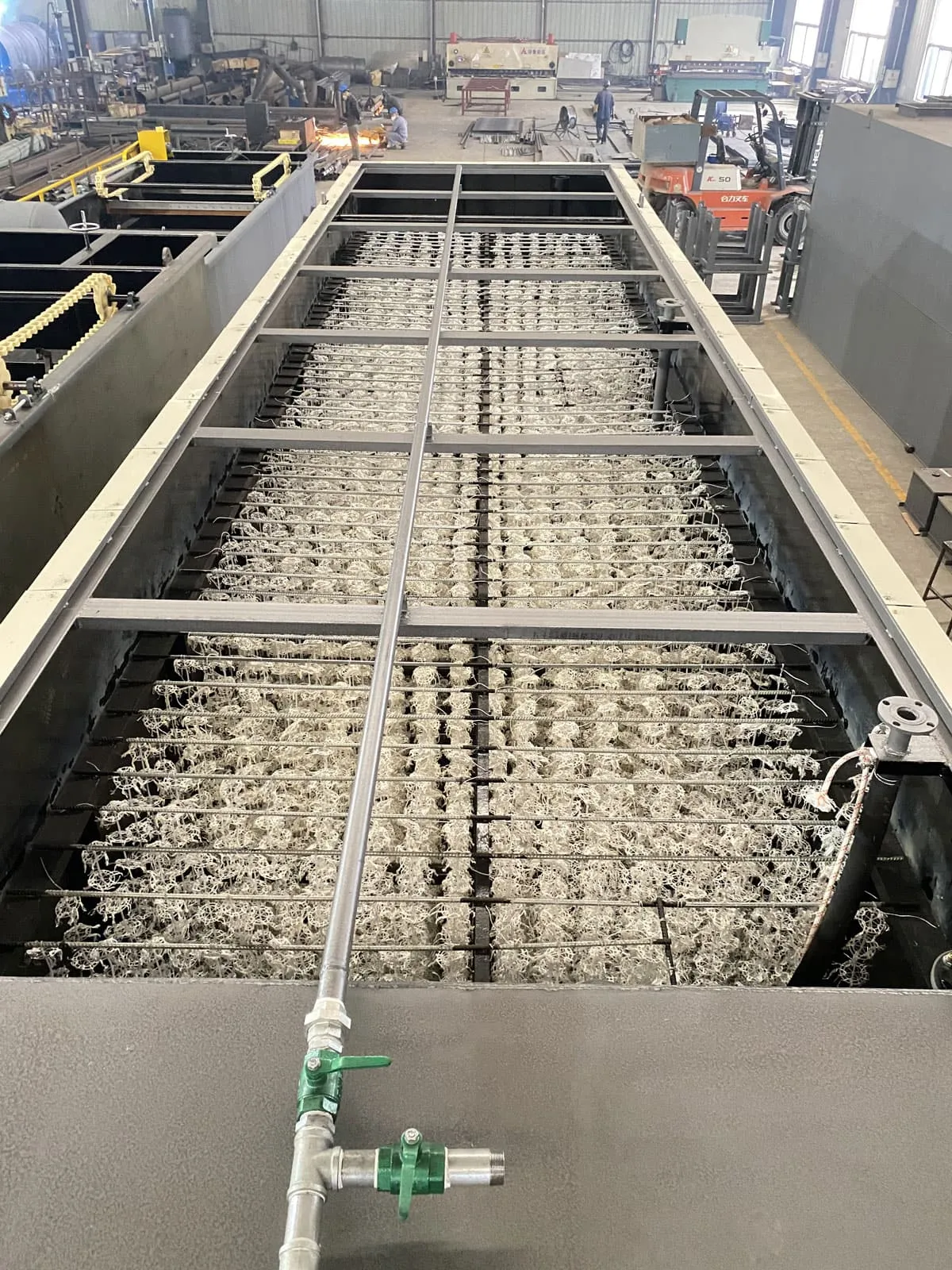
Membrane separation area, tank access, aeration piping and control details can be reviewed during project selection.
Water Indicators

Reference Influent And Outlet Indicators

MBR equipment selection starts with influent data and the required outlet target. These indicator ranges are useful for early discussion, while final performance review depends on wastewater characteristics, pretreatment, operation and discharge requirements.

Organic Load

COD:influent <=500 mg/L, outlet <=50 mg/L
BOD:influent <=350 mg/L, outlet <=10 mg/L

Nutrients And Solids

NH3-N:influent <=45 mg/L, outlet <=5(8) mg/L
SS:influent <=270 mg/L, outlet <=10 mg/L
TP:influent <=5 mg/L, outlet <=0.5 mg/L

Operating Window

pH:6.0-9.0 influent and outlet reference
Review:oil, salinity, temperature, toxic compounds and solids load before final MBR scope.
Route Comparison

Choose MBR, MBBR Or Packaged Plant Direction

MBR is one biological treatment route, not a universal answer for every wastewater source. Compare the project target, operation preference and site limits before choosing the equipment family.

Review Current MBR Route

Membrane separation after biological treatment.
Compact layout where secondary settling footprint is a concern.
Good fit when influent is suitable for membrane operation and cleaning review.
Review MBR Model Table

Compare MBBR Routes

Suspended carrier biofilm biological treatment.
Useful where carrier fill, nitrification and operating preference fit the route.
Outlet target and solids separation still need downstream review.
Compare MBBR Routes

Review Packaged Plant Options

Factory-built equipment format covering MBR, MBBR, QD Tank, MV, BFTR and QDPP routes.
Best when the buyer is comparing complete packaged plant families.
Use the MBR page for deeper membrane-biological product detail.
Review Packaged Plant Options
Applications

Applications For Compact Biological Treatment

Application fit depends on water quality and project target, not the industry name alone. MBR may be reviewed for decentralized sewage and selected organic wastewater where biological treatment and membrane separation are suitable.

Villages And Townships
Domestic sewage projects needing compact equipment, biological treatment and clear outlet review.
Camps And Scenic Facilities
Decentralized sites where footprint, operation access and flow variation need practical review.
Commercial Facilities
Non-residential sewage from facilities, campuses or service areas with defined discharge targets.
Small Organic Wastewater
Selected industrial streams after pretreatment review for oil, solids, toxicity and biodegradability.
Compact Upgrade Projects
Sites where membrane separation may reduce footprint compared with conventional settling routes.
Reuse-Oriented Review
Projects with reuse targets need separate outlet, disinfection and downstream polishing review.
Containerized Deployment
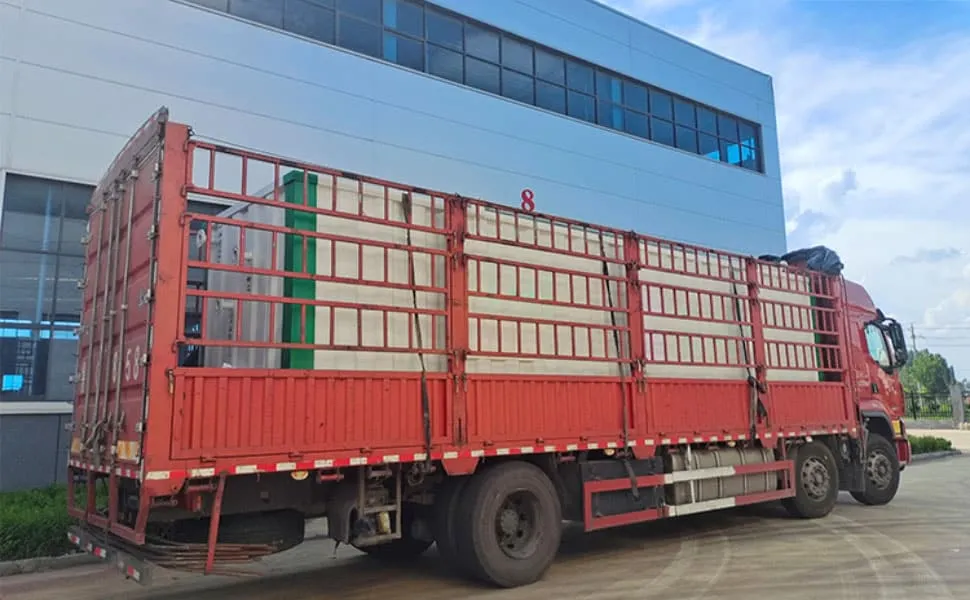
MBR may be integrated into containerized or modular equipment where delivery and site access fit.
Complete System Routes
MBR can work with , dosing, filtration or other units when the full route requires them.
Manufacturing Support

Equipment Manufacturing, Certification And Delivery Review

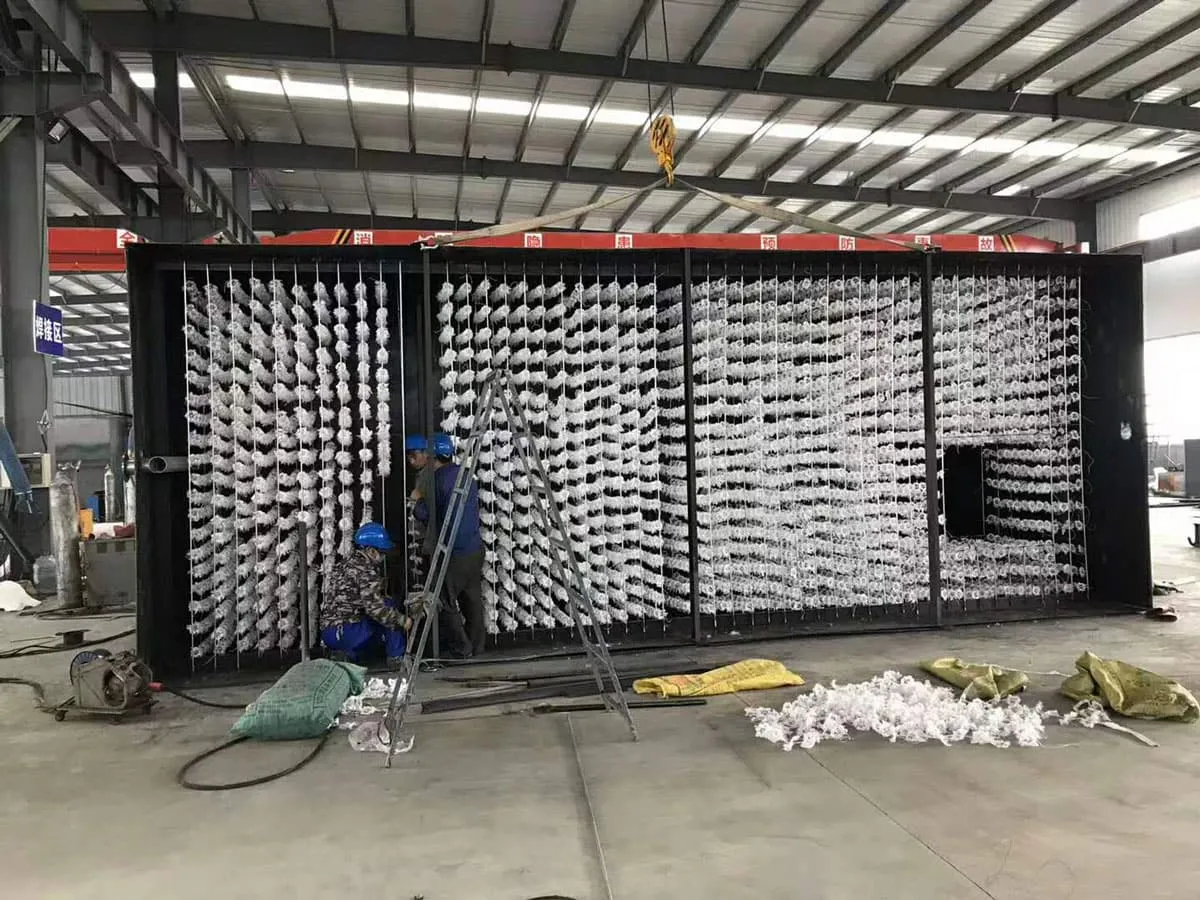
Our MBR supply scope can include tank fabrication, membrane module integration, aeration, pumps, piping, electrical control, documentation and delivery review. Confirmed credentials include ISO management systems, CEP certification, environmental engineering qualification, a safety production license and multiple patents and software copyrights.
ISO + CEP
ISO 9001, ISO 14001, ISO 45001 and CEP certification support supplier review.
Engineering Qualification
Environmental Engineering Professional Contracting Qualification and Safety Production License support project delivery review.
Patents
Multiple patents and software copyrights support product development and control system experience.
Prepare Drawings
General layout, tank arrangement, inlet/outlet and control positions can be reviewed after model narrowing.
Confirm Materials
Carbon steel, coating, corrosion exposure and optional configurations are checked with water and site data.
Review Operation Access
Membrane area, pumps, aeration, sludge handling and maintenance access affect long-term operation planning.
Coordinate Delivery
Equipment dimensions, grouping, lifting, packing and delivery scope are confirmed with the quotation package.
1783756812316 5665029f6036a8
Project References

Selected MBR Project References

Motiva project records include MBR use across rural, domestic and underground integrated wastewater projects. These references help buyers compare flow scale, equipment form and process route before sending project data.

1783756812316 e99ff21851c04
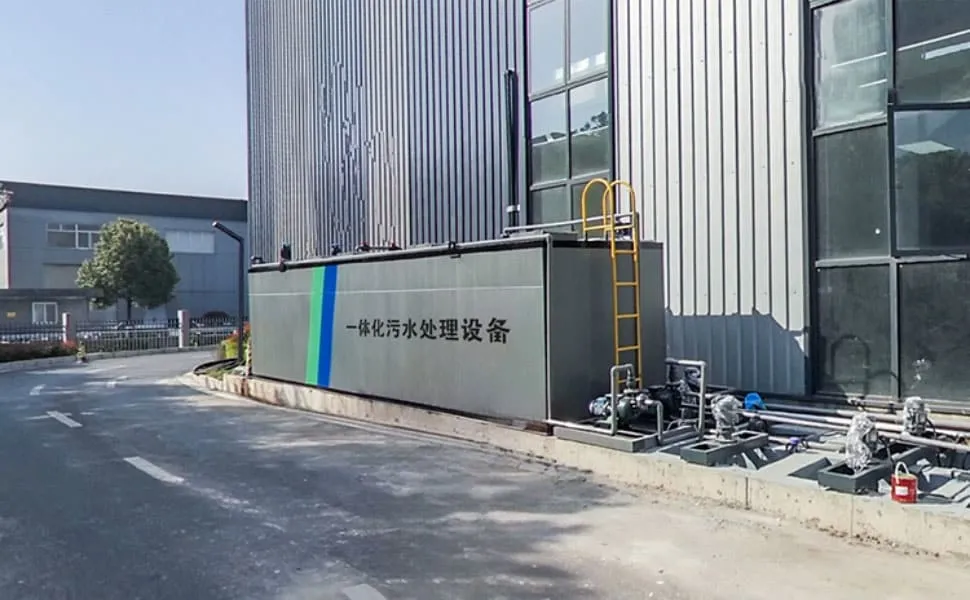
100 m3/day Jiangsu Rural Sewage MBR

Rural Containerized MBR Sewage Project

A completed 100 m3/day rural containerized MBR sewage project in Jiangsu shows how MBR equipment can be packaged for decentralized rural sewage treatment.
1783756812316 6af52ef4d3964
80 m3/day Zhejiang Domestic Wastewater WSZ

Domestic Wastewater WSZ Integrated System

A completed 80 m3/day Zhejiang domestic wastewater project used WSZ integrated equipment for a medium-small domestic sewage treatment route.
1783756812316 8eaa064b828af8
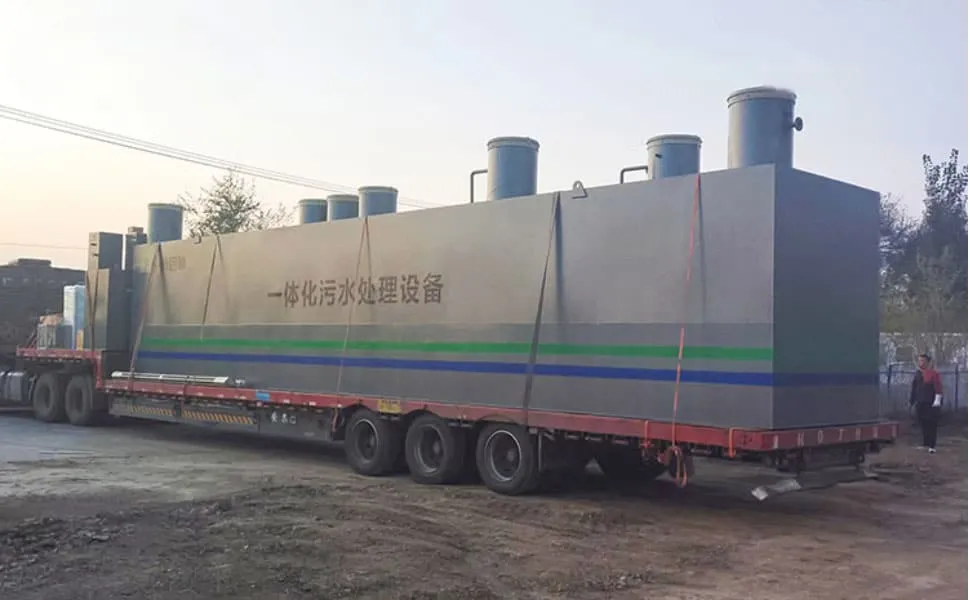
160 m3/day Tianjin Domestic Sewage AO + MBR

Underground AO + MBR Integrated Project

A completed 160 m3/day Tianjin underground integrated wastewater treatment project used AO + MBR technology for domestic sewage treatment.

MBR RFQ Preparation

Send Water Data For MBR System Review

A first inquiry can start with contact details, wastewater source, flow range, target outlet and any available water-quality report. Detailed sizing can continue after the basic route is clear.

Prepare A Useful First Inquiry

Complete laboratory data is helpful, but not required at first contact. Clear project basics help narrow whether MBR, MBBR, DAF pretreatment or a packaged plant route should be reviewed first.

Contact details:name, business email, company, country or region, and phone or WhatsApp if preferred.
Water data:wastewater source, daily flow, COD, BOD, ammonia nitrogen, SS, TP, pH and any unusual pollutants.
Project target:discharge or reuse target, site layout, installation preference, material needs and delivery requirements.
Prepare RFQ Checklist

Motiva RFQ / Water Data Form

Send one set of project inputs for MBR selection, complete wastewater systems, treatment route review or equipment quotation.

Shared Inquiry Form

Add a native Elementor Form widget here after import.

FAQ

MBR Wastewater Treatment Plant FAQ

An MBR wastewater treatment plant combines biological treatment with membrane separation. In Motiva’s WSZ MBR route, A/O biological treatment is combined with PVDF hollow fiber membrane modules to support compact solid-liquid separation. What capacity range can be reviewed for the WSZ MBR series? The confirmed WSZ MBR reference range covers 5-500 m3/d. Final sizing, grouping, dimensions, power and layout depend on project flow, wastewater indicators, site conditions and outlet target.

The confirmed WSZ MBR reference range covers 5-500 m3/d. Final sizing, grouping, dimensions, power and layout depend on project flow, wastewater indicators, site conditions and outlet target. How is MBR different from MBBR? MBR uses membrane separation after biological treatment, while MBBR uses suspended carriers for biofilm treatment. The choice depends on outlet target, footprint, solids separation needs, operation preference and wastewater characteristics.

MBR uses membrane separation after biological treatment, while MBBR uses suspended carriers for biofilm treatment. The choice depends on outlet target, footprint, solids separation needs, operation preference and wastewater characteristics. Does MBR remove the need for a secondary sedimentation tank? For the confirmed MBR product route, membrane separation can remove the need for a conventional secondary sedimentation tank. Final layout still depends on pretreatment, sludge handling, maintenance access and project design.

For the confirmed MBR product route, membrane separation can remove the need for a conventional secondary sedimentation tank. Final layout still depends on pretreatment, sludge handling, maintenance access and project design. What affects MBR wastewater treatment plant cost? Cost depends on flow rate, pollutant load, membrane area, tank size, pretreatment needs, controls, pumps, material requirements, installation form, delivery scope and outlet target. A fixed price should not be estimated from flow alone.

Cost depends on flow rate, pollutant load, membrane area, tank size, pretreatment needs, controls, pumps, material requirements, installation form, delivery scope and outlet target. A fixed price should not be estimated from flow alone. What data should be sent for MBR selection? Useful inputs include wastewater source, daily and peak flow, COD, BOD, ammonia nitrogen, SS, TP, pH, oil or grease if present, salinity or TDS if relevant, discharge or reuse target, site layout and available water-quality reports.

Useful inputs include wastewater source, daily and peak flow, COD, BOD, ammonia nitrogen, SS, TP, pH, oil or grease if present, salinity or TDS if relevant, discharge or reuse target, site layout and available water-quality reports. Can one MBR system fit every wastewater source? No. High oil, high salinity, toxic compounds, heavy solids, poor biodegradability or difficult industrial wastewater may require pretreatment or a different route before MBR can be considered.

No. High oil, high salinity, toxic compounds, heavy solids, poor biodegradability or difficult industrial wastewater may require pretreatment or a different route before MBR can be considered. Review MBR Fit Before Final Equipment Selection Share flow rate, influent indicators, outlet target and site constraints to narrow the MBR model range, pretreatment needs and equipment scope. Request MBR System Review

Review MBR Fit Before Final Equipment Selection

Share flow rate, influent indicators, outlet target and site constraints to narrow the MBR model range, pretreatment needs and equipment scope.

Request MBR System Review
滚动至顶部

Request A Quote

Attach PDF, Excel or image reports when available. Actual configuration depends on wastewater characteristics and project requirements.

Great! We have received your message. Someone in charge will contact you shortly.

We are unable to process your submission. Please try again.