
Package Wastewater Treatment Plant
A package wastewater treatment plant brings biological treatment, tanks, aeration, sedimentation, filtration or membrane units into a factory-built equipment scope. Flow rate, footprint, installation form, material requirement and outlet target decide whether MBR, MBBR, QD Tank, MV, BFTR or QDPP routes fit the project.
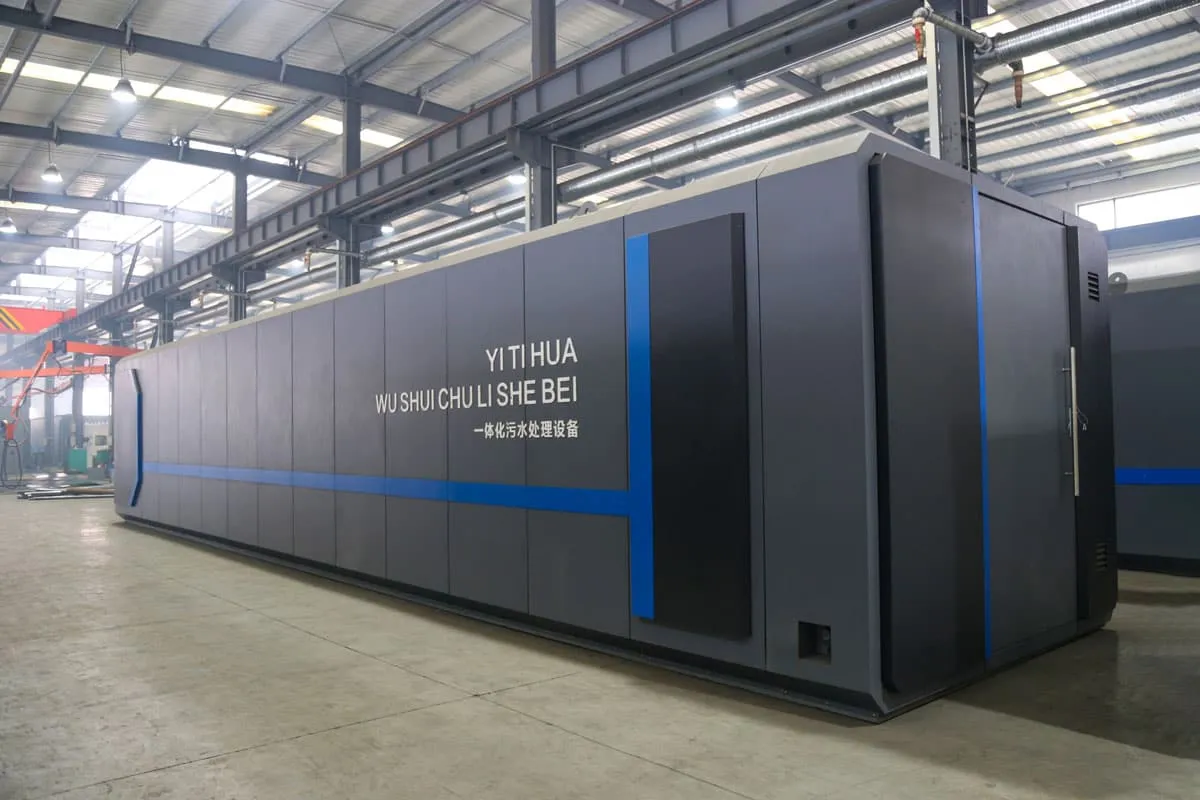
Factory-Built Plants For Decentralized Wastewater
A packaged plant can reduce site construction work, but the equipment route still depends on the wastewater source, hydraulic load, pollutant profile, footprint, discharge or reuse target and material conditions.
Start With Project Conditions
The same daily flow can require different equipment when ammonia, suspended solids, salinity, oil, site access or outlet target changes.
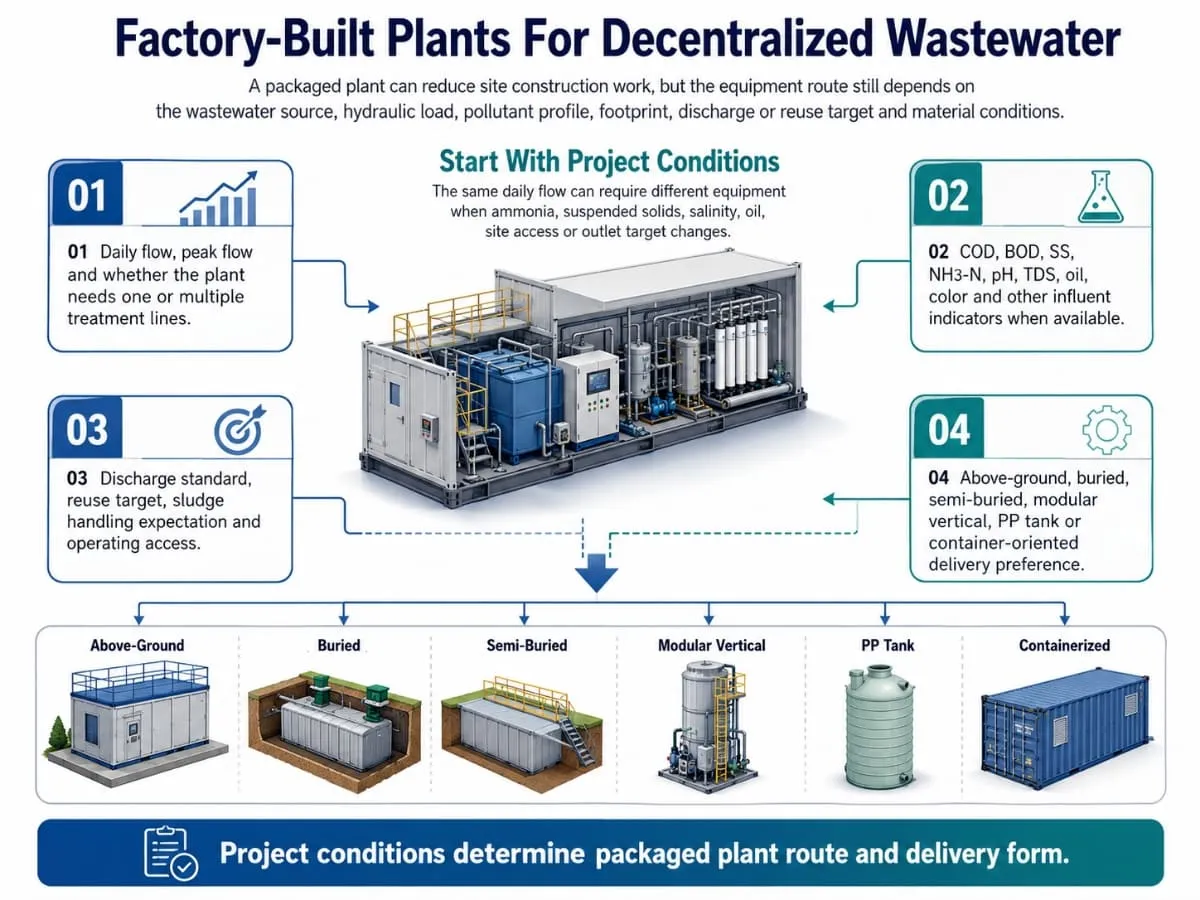
Choose The Packaged Route By Flow, Footprint And Outlet Target
Packaged does not mean one standard tank fits every project. The equipment format is narrowed by hydraulic load, process target, installation limits and material exposure.
Flow And Peak Load
Small daily flow can point toward QD Tank or compact PP routes, while larger decentralized projects may need WSZ, MV or multi-module packaged configurations.
Biological Process
MBR supports compact membrane separation. MBBR uses suspended carriers. BFTR uses a Biofilm Fiber Turntable Reactor concept where attached-growth treatment and rotating media fit the project route.
Installation Form
Above-ground, buried, semi-buried, vertical, modular or container-oriented formats affect layout, access, excavation and transport planning.
Material Boundary
Carbon steel, PP tank and corrosion-sensitive options are reviewed against wastewater characteristics, site exposure and procurement requirements.
Request A Packaged Plant Datasheet Set
Datasheets can be matched to the plant family under review, including model range, basic dimensions, process route, material notes and RFQ input requirements. Final drawings and quotation data still depend on the submitted project conditions.
Packaged Plant Types And Process Roles
The packaged plant family includes carbon steel integrated plants, modular vertical equipment and PP tank routes. Each option has a different process role and site-fit boundary.
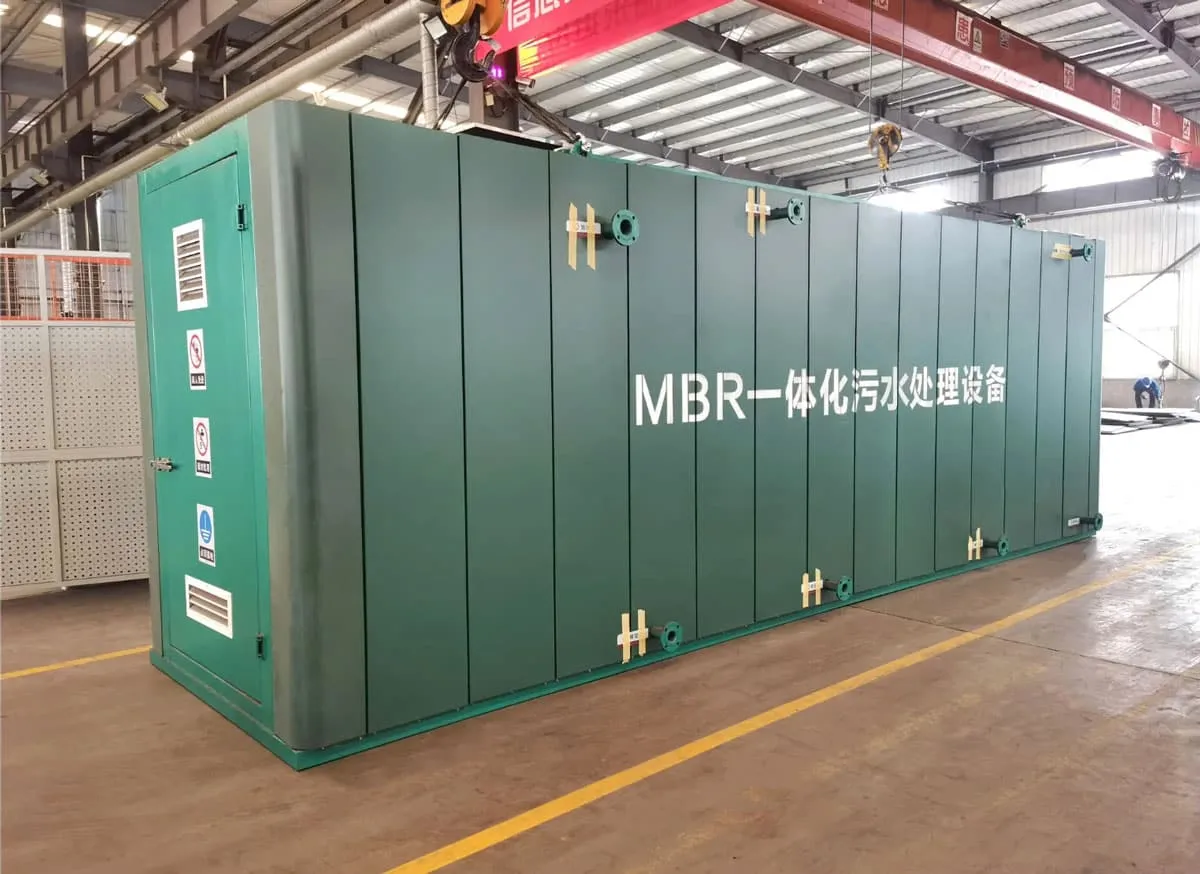
MBR Integrated Plant
A/O and membrane bioreactor route for compact biological treatment where membrane separation and a smaller footprint are important.
Evaluate MBR Systems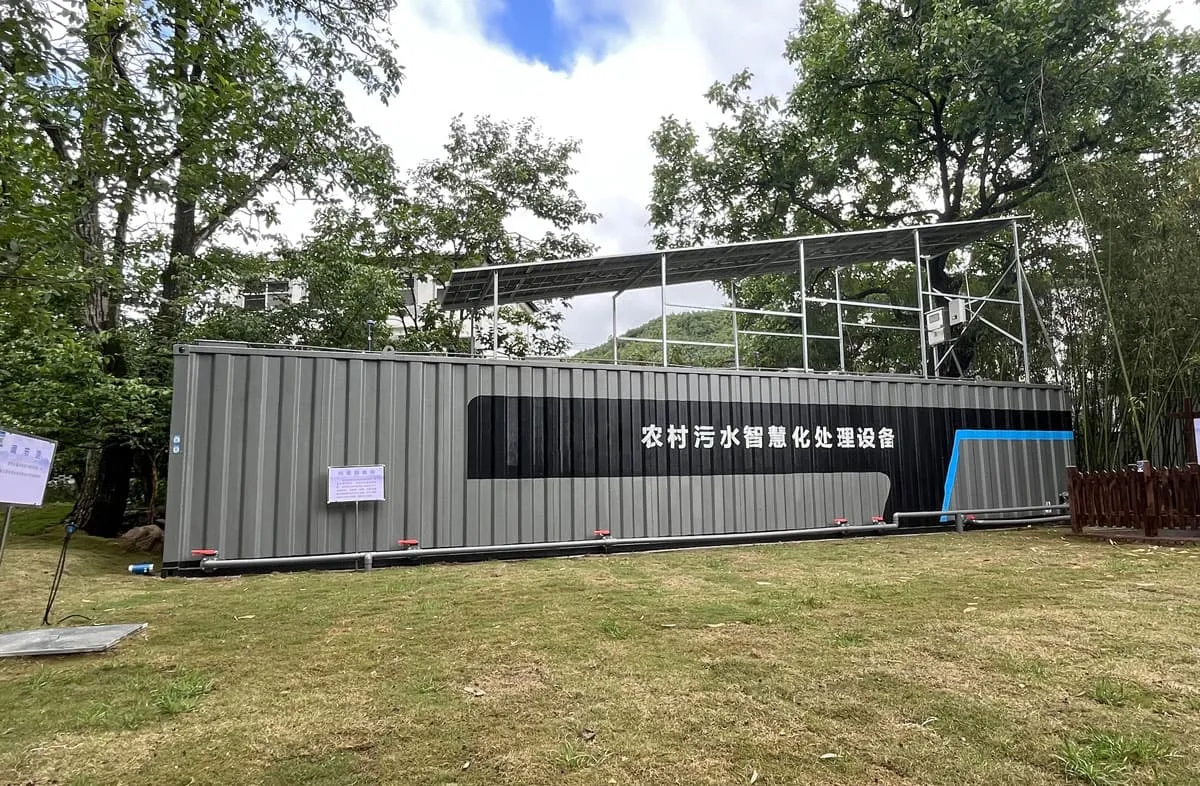
MBBR Integrated Plant
Carrier biofilm treatment route for decentralized sewage and projects where suspended biological media support nitrification and denitrification.
Evaluate MBBR Systems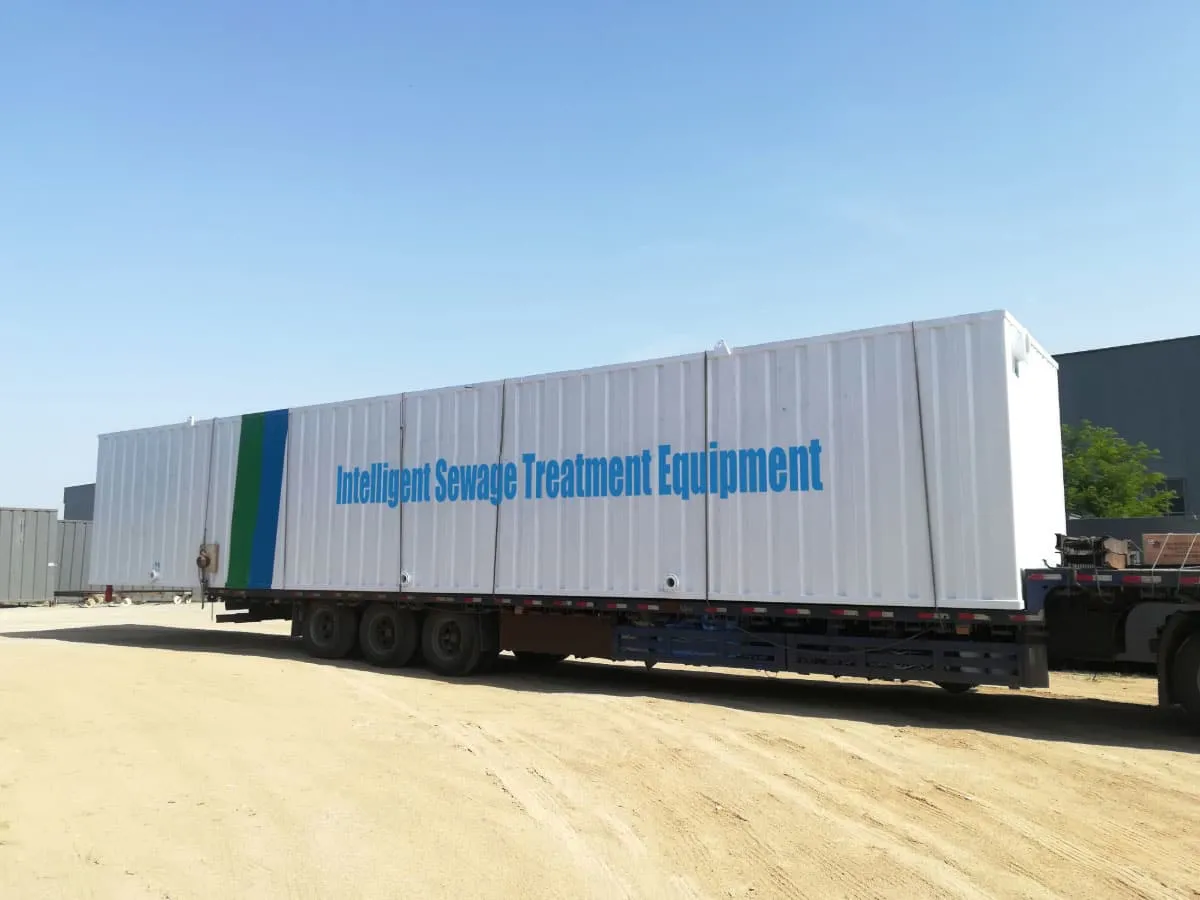
BFTR Integrated Plant
Biofilm Fiber Turntable Reactor route for integrated sewage treatment. BFTR is reviewed when attached-growth biological treatment, maintenance access and project flow conditions support a rotating biofilm configuration.
Define BFTR Scope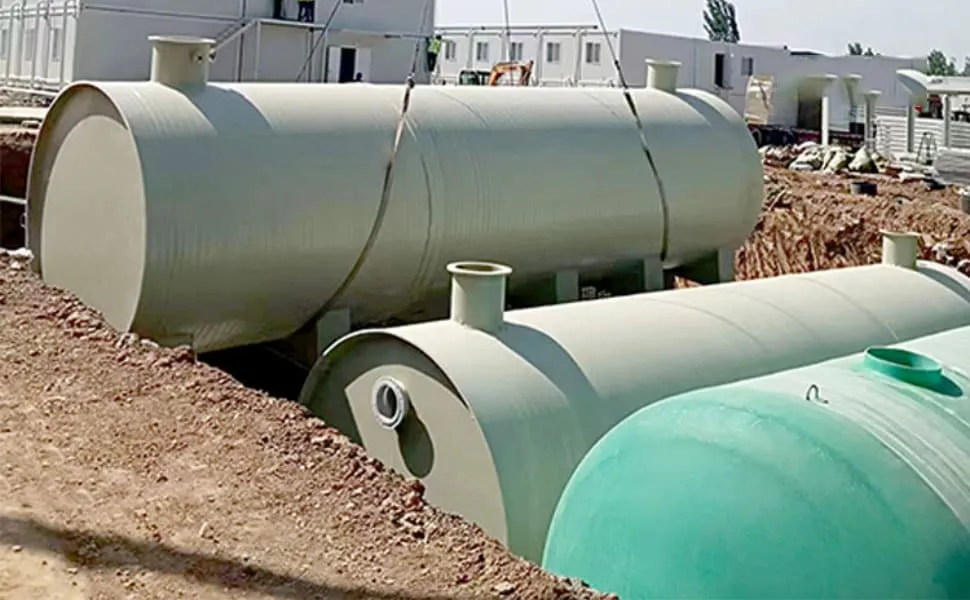
QD Tank Compact Unit
Small water-volume vertical unit for small facilities, courtyards, agritourism sites and compact decentralized sewage projects with limited space.
Select Small-Flow Route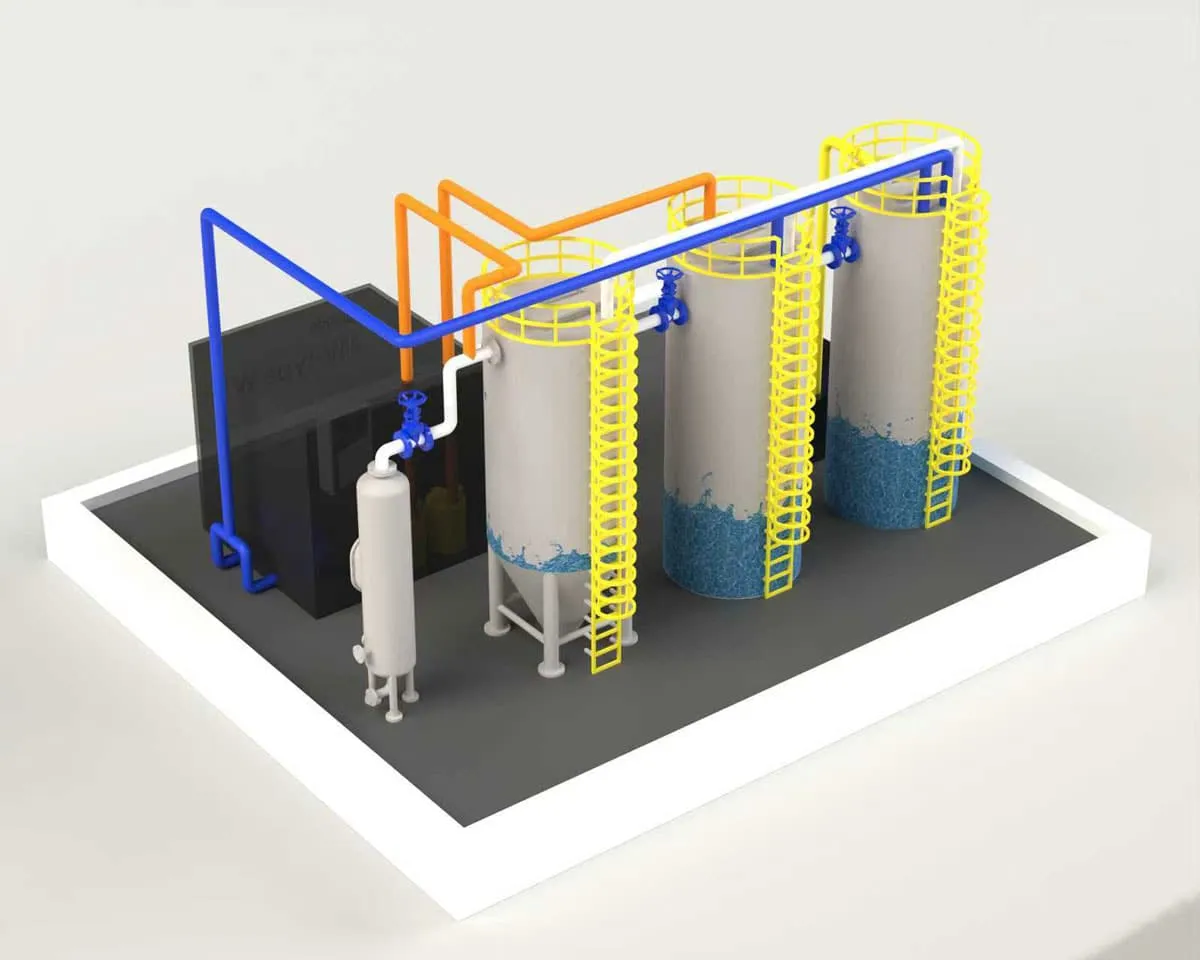
MV Modular Vertical Plant
AAO, MBBR, sedimentation and filtration route for villages, towns and difficult terrain where modular vertical layout supports compact site planning.
Review MV Configuration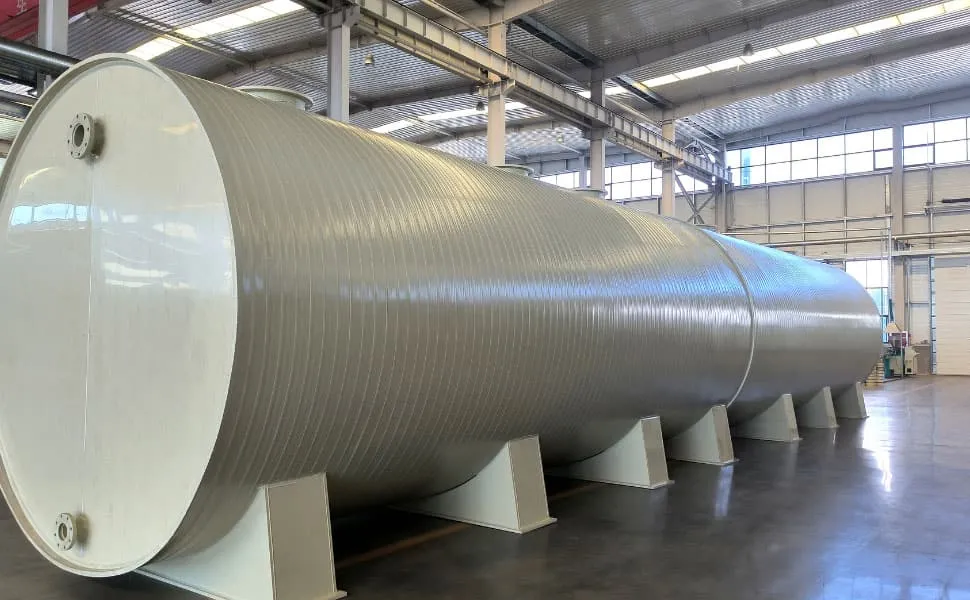
QDPP Integrated Tank
High-modulus PP tank route for projects that require corrosion resistance, buried or above-ground tank options and compact equipment layout.
Select PP Tank ConfigurationsReference Capacity Ranges For Early RFQ Review
Reference ranges narrow the packaged plant family before detailed sizing. Final dimensions, power, operating cost, equipment quantity and route design depend on wastewater characteristics, material needs and site conditions.
Reference ranges support initial equipment comparison. Fixed pricing and final drawings are prepared after route review, material selection and project conditions are clear.
Reference Indicators And Design Boundaries
Outlet targets, process route, power, maintenance access and sludge handling are reviewed together. Reference values support early screening, while final commitments depend on influent quality and project design.
Reference Outlet Indicators
Power And Cost Fields
Sludge And Maintenance Inputs
BFTR Review Boundary
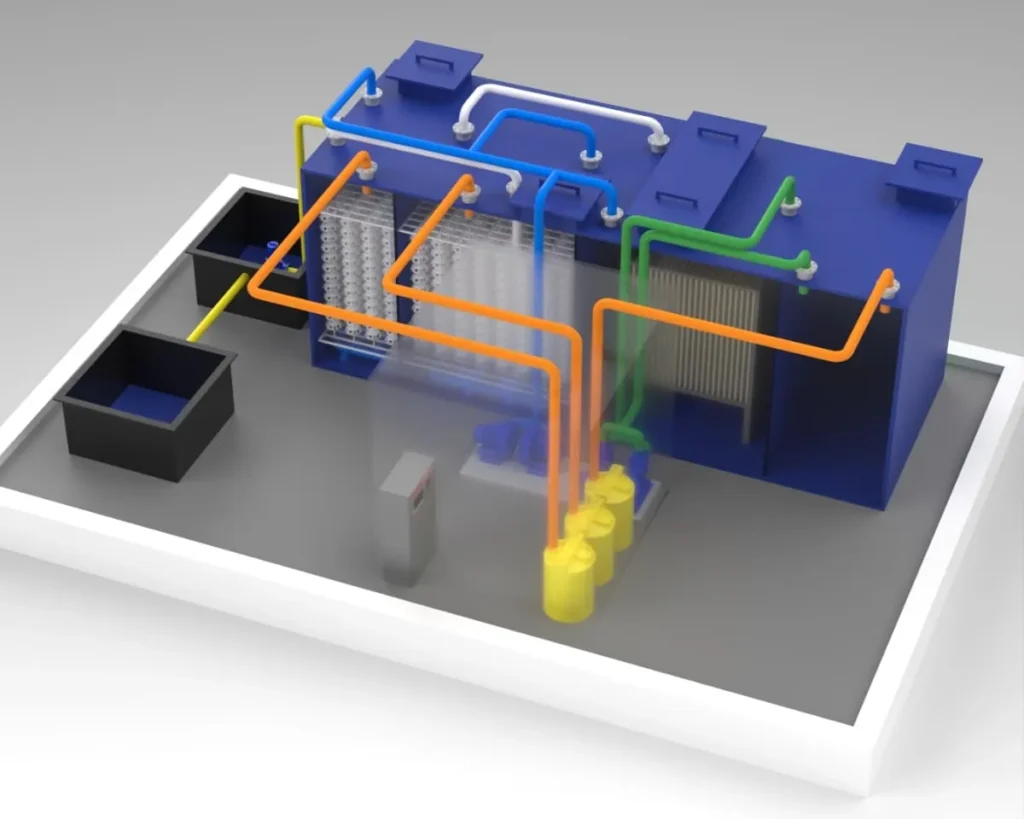
These indicators are not a universal discharge guarantee. Final effluent targets, equipment power, operating cost and sludge handling are confirmed through water-quality data, route selection and project review.
Above-Ground, Buried, Modular And PP Tank Options
Installation form affects civil work, transport, maintenance access and long-term material exposure. The plant format should follow the site instead of forcing one layout onto every project.
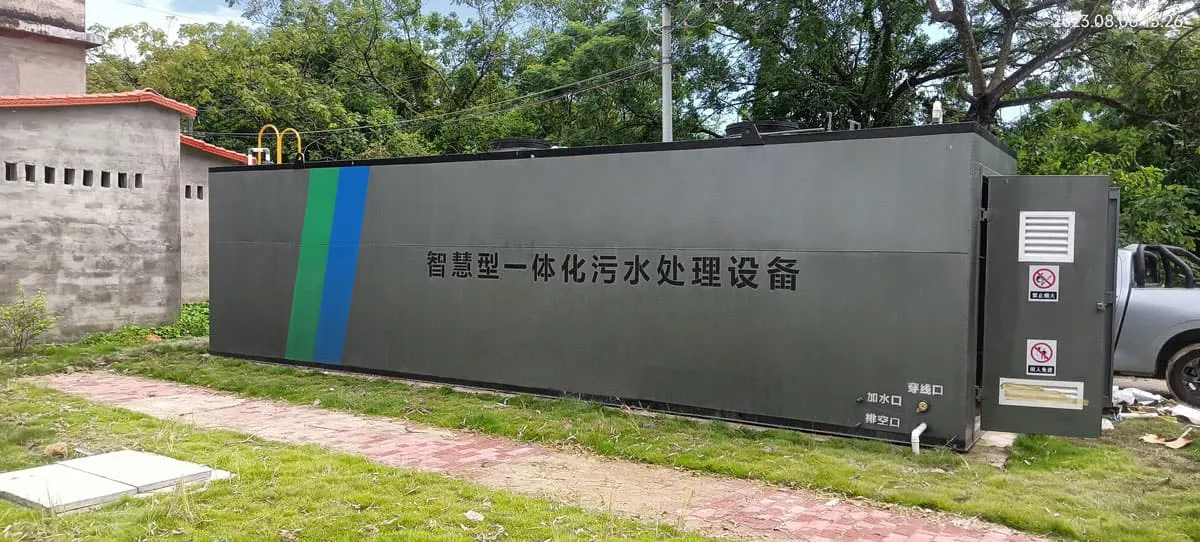
Above-Ground Equipment
Useful when access, inspection and faster placement matter more than underground concealment.
Buried Or Semi-Buried
Suitable where surface space, appearance or site planning favors underground placement.
Modular Vertical
Useful for difficult terrain, phased flow planning or sites that need compact module grouping.
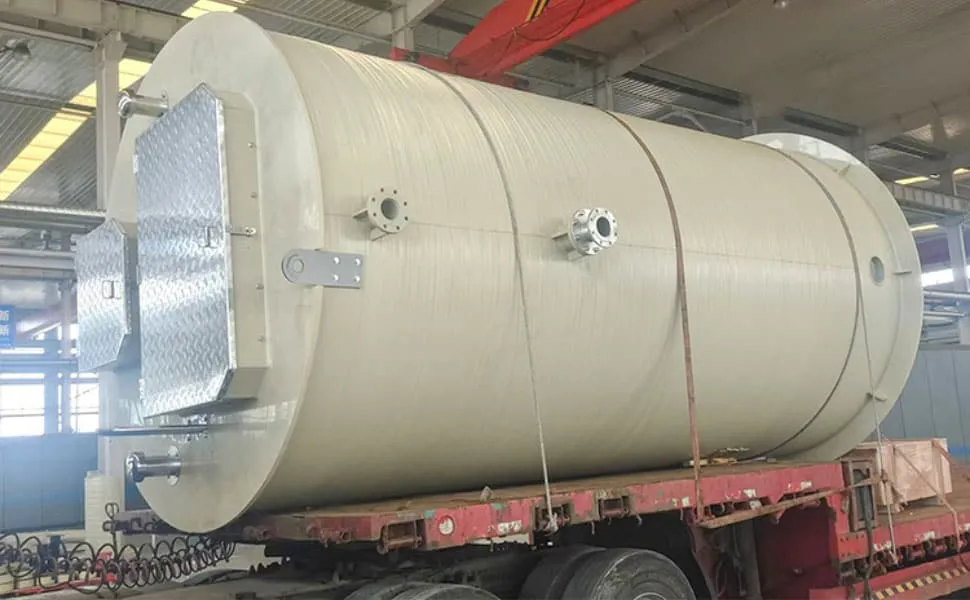
PP Tank Route
Reviewed where corrosion resistance, tank material and compact layout are important to procurement.
Applications For Small And Medium Wastewater Projects
Packaged wastewater treatment plants are usually reviewed when site work must stay controlled, equipment delivery needs to be clear, and flow is suitable for a compact treatment route.
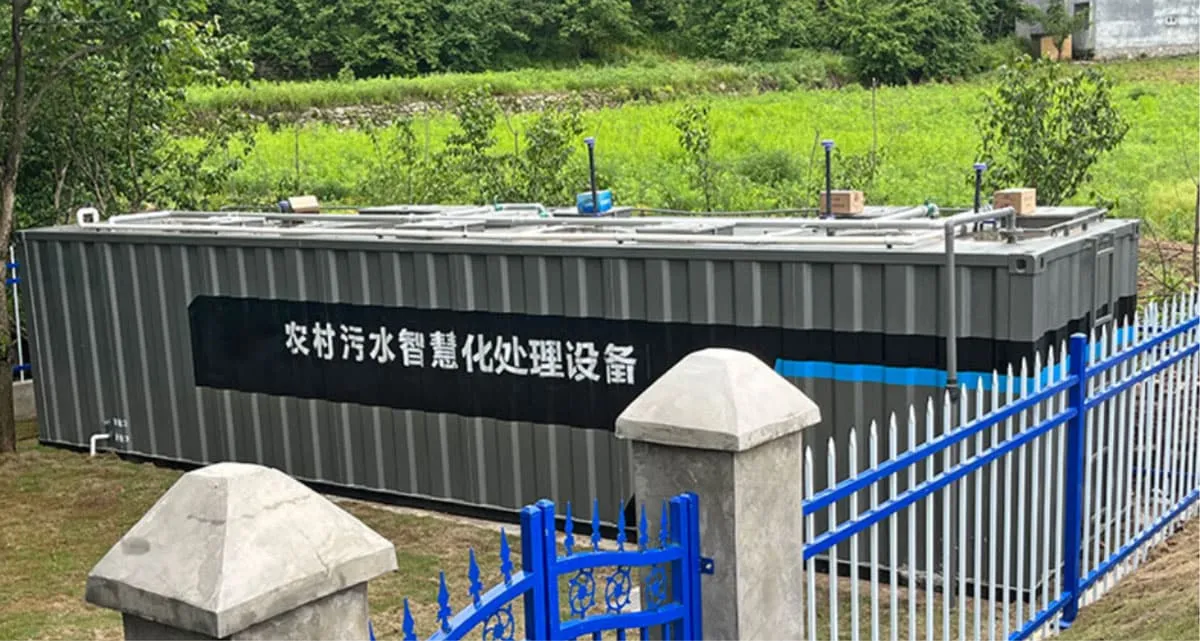
Villages And Townships
Domestic sewage routes often need compact biological equipment, simple operation access and clear discharge targets.
Review Domestic Sewage Routes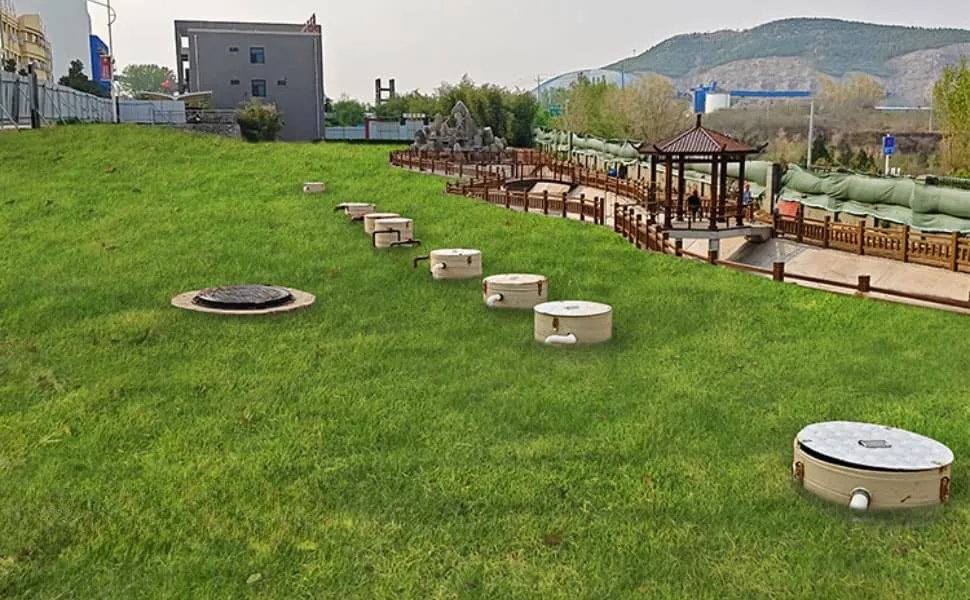
Camps, Scenic Areas And Facilities
Variable occupancy and limited land can make modular packaged plants more practical than heavy civil structures.
Review Complete Treatment Systems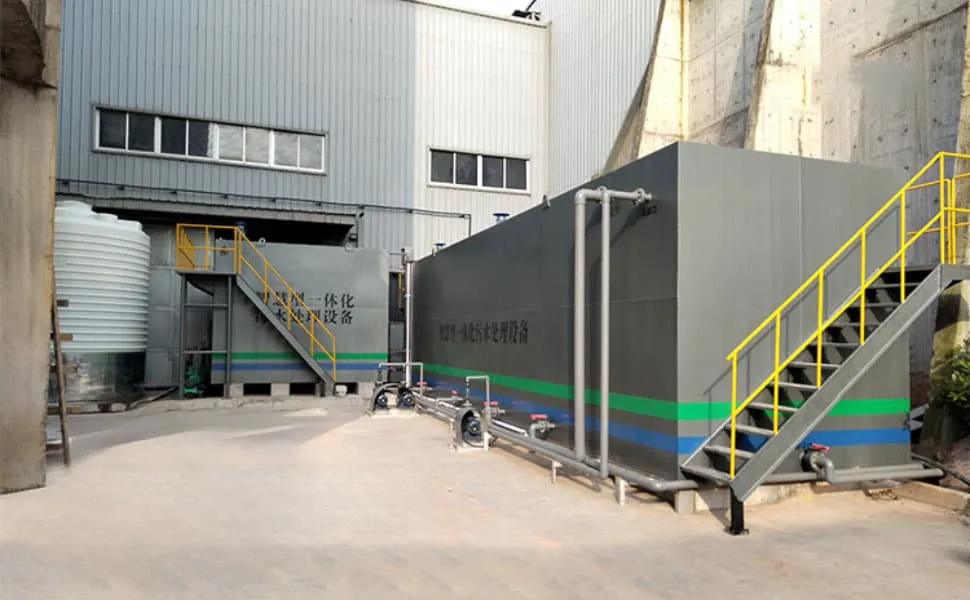
Small Industrial Support
Food, logistics, light manufacturing or facility wastewater may need pretreatment review before packaged biological equipment.
Compare Industrial RoutesFactory Proof, Documentation And Delivery Scope
Our packaged plant scope can include tank fabrication, process equipment integration, piping, valves, electrical coordination, transport review and procurement documents. Final scope depends on equipment size, material, installation form and project requirements.
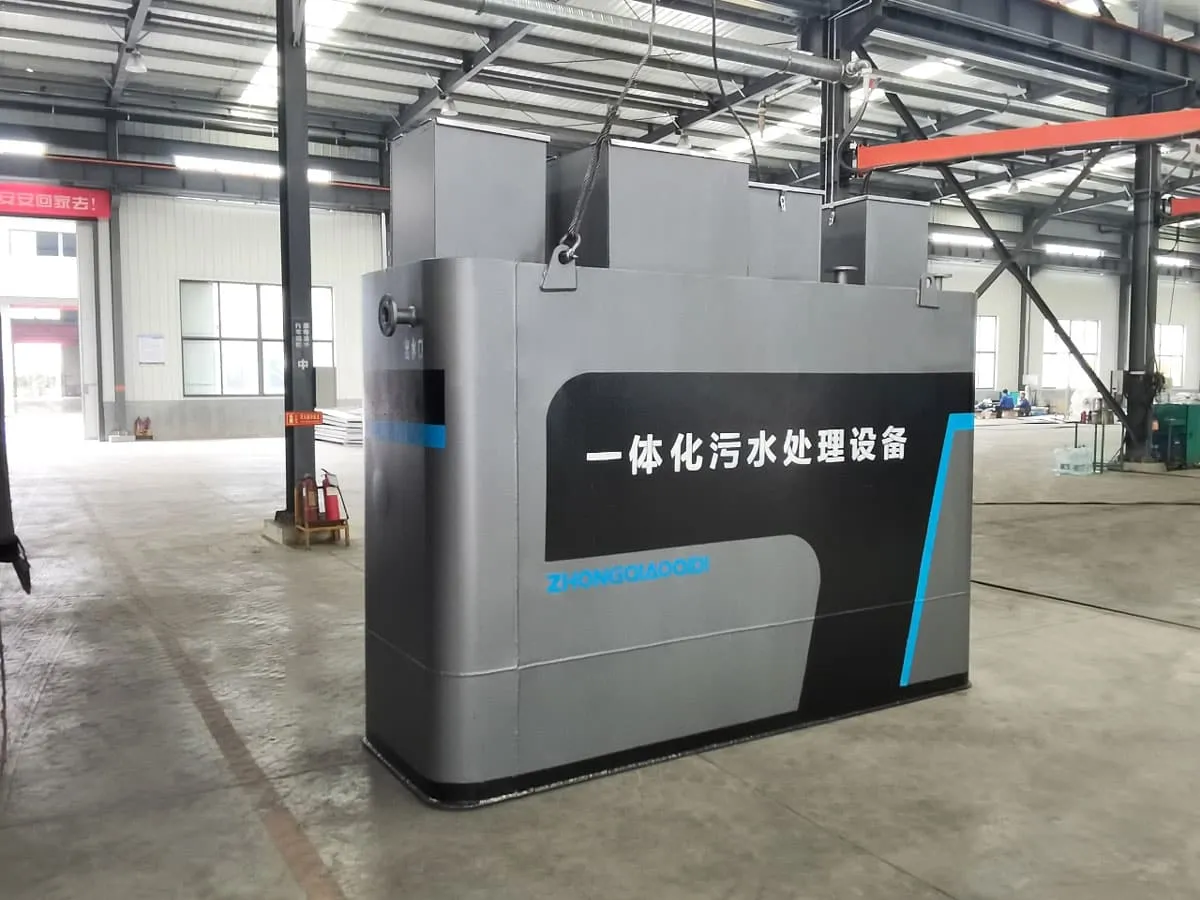
Selected Packaged Plant Project References
Selected references include rural MBR, compact QDPP tank and WSZ integrated systems across different capacity ranges. New project performance depends on influent data, process route, outlet target and engineering review.
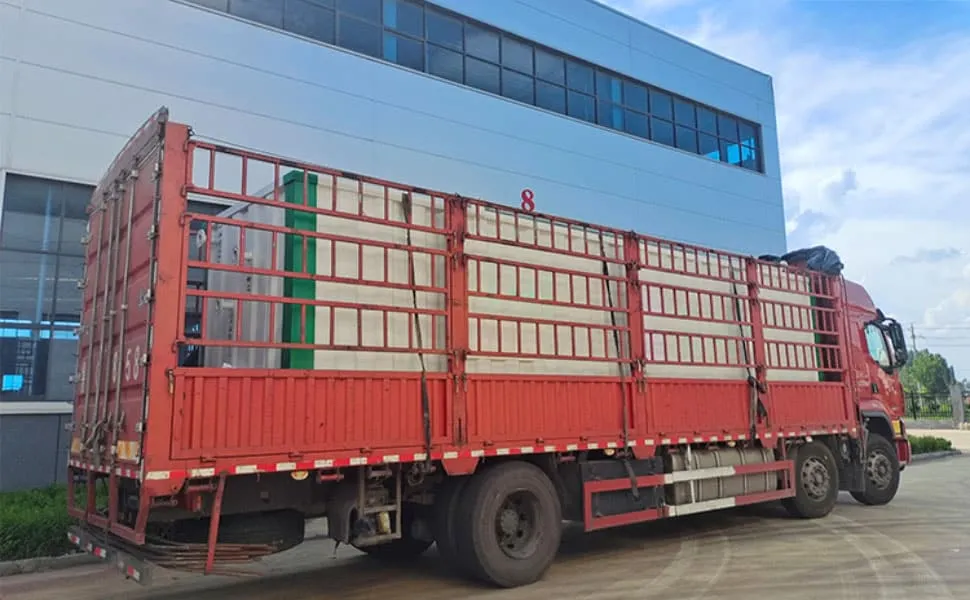
Rural Containerized MBR Sewage Project
A Jiangsu rural packaged MBR project example showing how container-oriented equipment can support decentralized sewage treatment planning.
Small QDPP Integrated Tank Project
A Hainan QDPP packaged plant example for a small-capacity wastewater project where PP tank layout and capacity range matter.
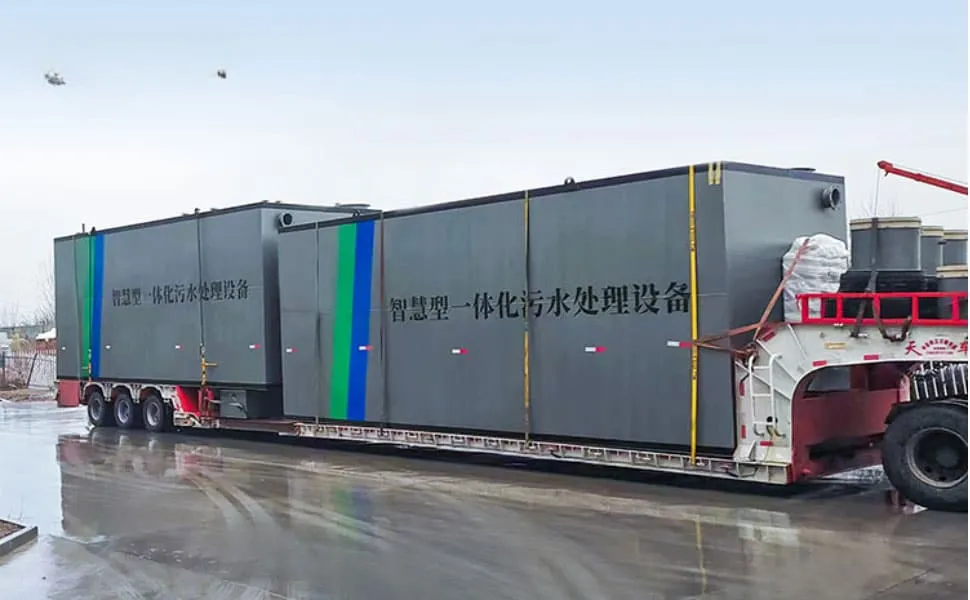
Domestic Wastewater WSZ Integrated System
A Zhejiang domestic wastewater project example showing how WSZ packaged equipment can support medium-small domestic wastewater flows.
Send Water Data For Packaged Plant Review
Send one set of project inputs for technical review of packaged plant type, biological route, material boundary, installation form and early RFQ scope.
Wastewater Treatment RFQ Setup Checklist
Prepare flow data, drawings and outlet targets before a full packaged plant inquiry.
Full packaged plant review continues through the Motiva RFQ / Water Data Form when project inputs are ready.Motiva RFQ / Water Data Form
Prepare the project basics first. A water-quality report, site sketch or preferred installation form can shorten the first review.
The shared inquiry path supports packaged plant selection, complete system review and equipment quotation from the same project input set.
Package Wastewater Treatment Plant FAQ
Packaged plant selection depends on route, capacity, installation form, cost factors and RFQ data quality.
What is a package wastewater treatment plant?
It is a factory-built wastewater treatment plant that combines tanks, biological treatment, aeration, separation, controls or supporting units into a compact equipment scope for suitable small and medium projects.
How do I choose between MBR and MBBR packaged plants?
Outlet target, footprint, biodegradability, solids handling and operation preference shape the choice. MBR uses membrane separation, while MBBR uses suspended biofilm carriers.
What capacity range can be reviewed?
Reference ranges include QD Tank at 1-24 m3/day, MV at 30-500 m3/day, and MBR, MBBR or QDPP horizontal routes at 5-500 m3/day. Final sizing depends on project data.
Can a packaged plant be buried underground?
Buried or semi-buried options can be reviewed when site layout, access, civil conditions and maintenance requirements support that installation form.
What affects package wastewater treatment plant cost?
Cost depends on flow rate, pollutant load, process route, tank material, installation form, controls level, delivery scope, documentation needs and outlet target.
What data should be sent for a packaged plant RFQ?
Useful inputs include daily flow, peak flow, wastewater source, COD, BOD, SS, ammonia, pH, TDS, salinity, oil, outlet target, site layout and installation preference.