Food And Beverage Wastewater Treatment

Food And Beverage Wastewater Treatment By Source And Load

Food processing, beverage, dairy, brewery and meat facilities often send wastewater with changing COD, BOD, suspended solids, oils, grease, pH and cleaning chemicals. The treatment route starts with the production source, peak flow, pollutant profile and discharge target.
Compare Treatment Routes
1-200
m3/h YW DAF reference model range
25-40
micron GW flotation microbubble range
10-28
kg CODcr/m3*d IC reactor load range
5-500
m3/d packaged MBR and MBBR range
MBR Biological Wastewater Treatment Systems
Wastewater Sources

Production Source Changes The Treatment Route

Food and beverage projects rarely start with one standard package. FOG, sugars, starch, proteins, cleaning chemicals, pH swings and seasonal flow all change the route before equipment sizing begins.

Food Processing

Vegetable, prepared food, starch and sauce production often bring high organic load, suspended solids and variable cleaning-water flows.

COD / BOD SS Equalization

Beverage And Brewery

Rinse water, syrup, fermentation residues, bottle washing and CIP streams create flow peaks and pH changes that need front-end balancing.

pH swings Soluble COD Anaerobic fit

Dairy And Cheese

Dairy wastewater can carry fats, protein, lactose, cleaning chemicals and nutrient load. Pretreatment protects biological stages from overload.

FOG Nutrients DAF pretreatment

Meat And Slaughter

Blood, fat, floating solids and washdown water often make screening, equalization, coagulation and DAF part of the early route discussion.

Grease Floatable solids Sludge handling

Edible Oil And FOG Streams

High oil and grease loads need separation before downstream biological treatment, filtration, reuse review or discharge polishing.

Oil separation Coagulation DAF

CIP And Cleaning Water

Caustic, acid, disinfectant and detergent streams affect pH, biological stability, corrosion review and material selection.

pH TDS Material review
Treatment Route

From Plant Drainage To Treatment Scope

The first engineering decision is not a product name. It is whether the wastewater needs separation, anaerobic treatment, aerobic polishing, filtration, reuse preparation or a compact packaged route.

1

Define Flow And Peaks

Daily flow, hourly peak, production schedule, cleaning cycles and seasonal changes set the first sizing boundary.

2

Separate Oils And Solids

Screening, equalization, pH adjustment, coagulation and DAF protect downstream biological units from FOG and suspended solids.

3

Match Organic Load

High soluble COD can point toward anaerobic treatment. Lower or polished loads can move through aerobic MBR, MBBR or conventional biological routes.

4

Confirm Discharge Or Reuse

Filtration, disinfection, nutrient removal, membrane review or advanced treatment depends on the final discharge or non-contact reuse target.
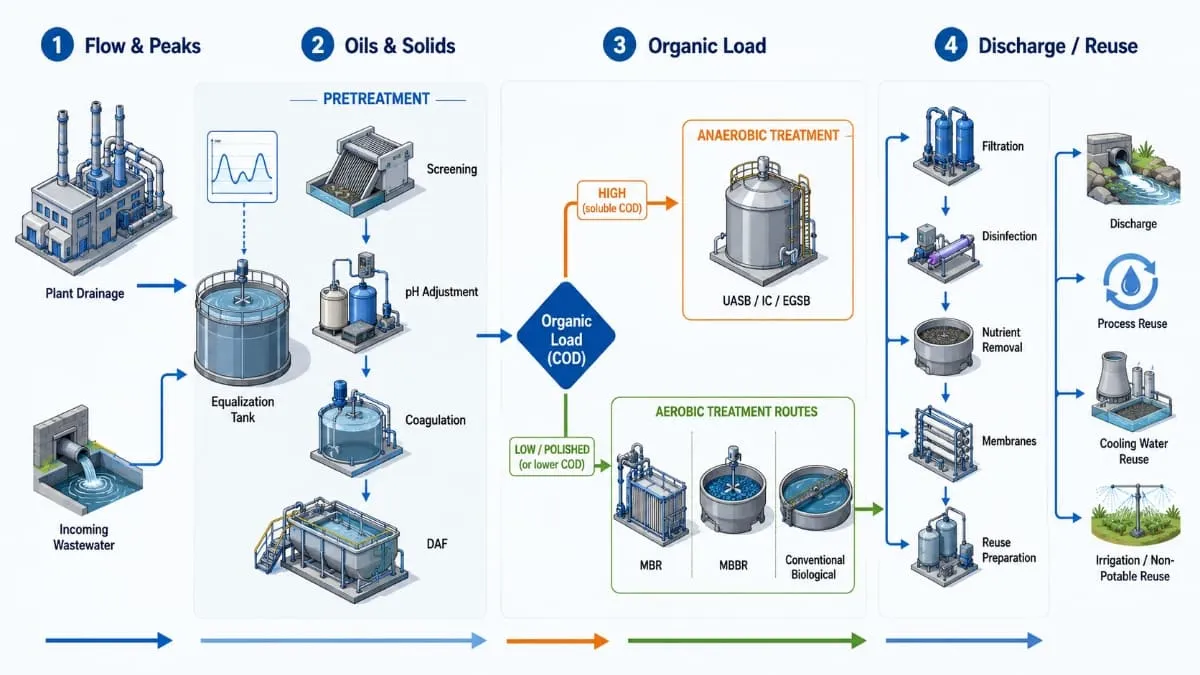
Food and beverage wastewater process route from screening and DAF to anaerobic and biological treatment
Engineering Reference Points

Numbers For Early Route Comparison

These values support early equipment comparison and route discussion. Final values depend on influent samples, peak flow, pretreatment performance, site layout, material requirements and discharge targets.

Reference Point Where It Matters Project-Specific Confirmation
GW flotation microbubbles: 25-40 microns Fine bubbles support separation of light flocs, oils, suspended matter and floatable particles in pretreatment. Equipment feature for route comparison; actual separation depends on dosing, retention time and wastewater condition.
YW DAF model range: 1-200 m3/h Initial DAF sizing bracket for food, beverage, oily, alcohol and other industrial wastewater pretreatment. Final model selection follows daily flow, peak flow, sludge load, dissolved-air water volume and layout review.
Alcohol wastewater DAF reference: COD/BOD/color 30%, SS 77% Early comparison for brewery, distillery or fermentation-related front-end separation. Reference performance only. Treatability testing and chemical conditioning define project performance.
Cooking-oil wastewater DAF reference: COD 30%, SS 85% FOG-heavy sources where oil and suspended solids affect biological stability. Reference performance only. Oil form, emulsification, temperature and dosing change separation results.
IC reactor volumetric load: 10-28 kg CODcr/m3*d Medium and high-concentration organic wastewater where anaerobic treatment is a candidate route. Design is optimized by wastewater characteristics, biodegradability, temperature, nutrients and downstream target.
High-rate anaerobic reference: 8-30 kg COD/m3*d Industry reference range for high-strength food and beverage wastewater using UASB, IC, EGSB or related reactors. Useful for route discussion, not a Motiva performance promise. Feed solids, FOG and toxicity need control.
MBR / MBBR packaged range: 5-500 m3/d Downstream biological treatment or compact polishing after suitable pretreatment and load control. Product range for early fit. Final biological route depends on COD/BOD ratio, nutrients, temperature and target effluent.
MBR indicator reference: COD <=500 to <=50 mg/L, SS <=270 to <=10 mg/L Downstream treatment context when influent is within the integrated MBR equipment envelope. Not a direct raw food-wastewater design value. Pretreatment and biological loading must be checked first.
Equipment Combination

Equipment Lines For Food And Beverage Routes

Food and beverage projects often need a treatment train rather than a single unit. Pretreatment protects the biological stage; biological systems reduce organic load; polishing equipment aligns the route with discharge or reuse needs.
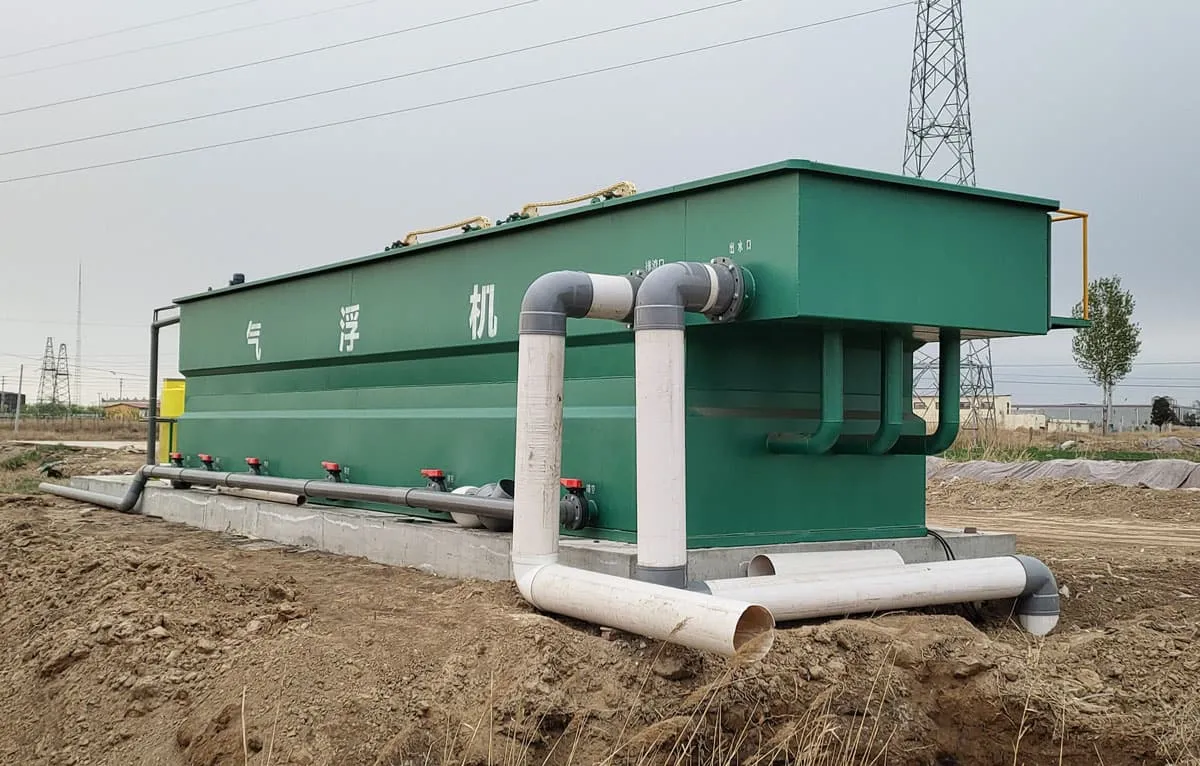
DAF Equipment Installation Site Photo

DAF And Conditioning

GW, YW and QDPP DAF options are considered for FOG, suspended solids, light flocs and front-end load reduction before biological treatment.

Compare DAF Systems
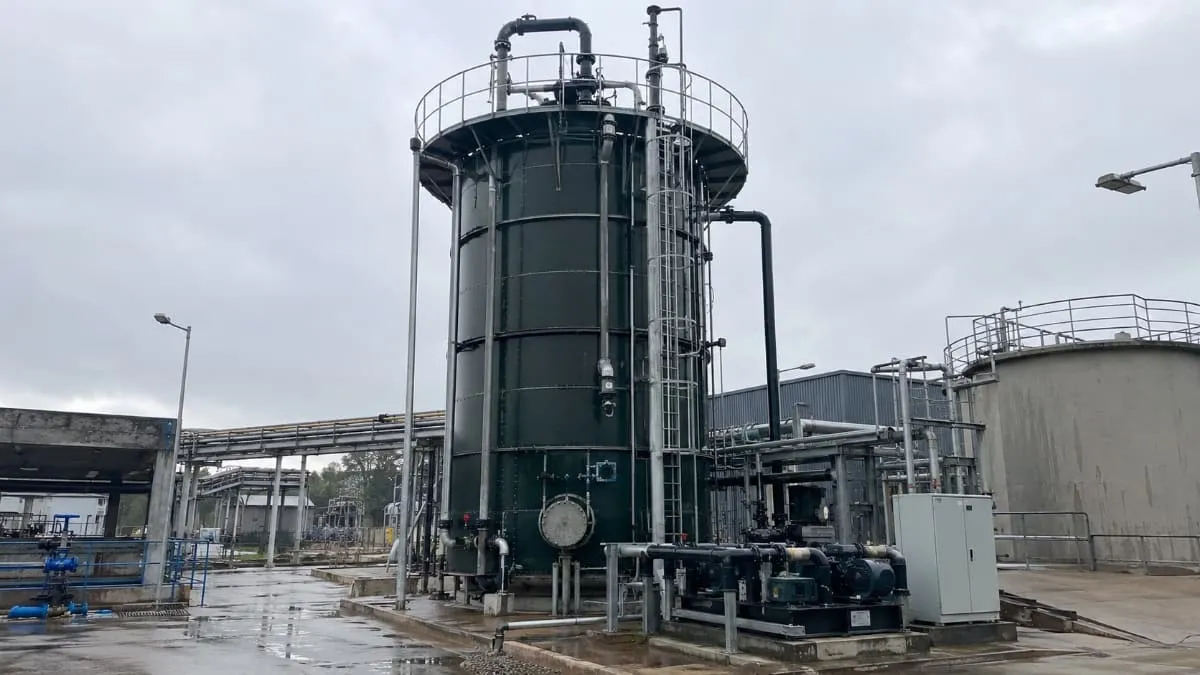
IC anaerobic reactor for high organic food and beverage wastewater

IC Anaerobic Reactor

IC reactors can form the core anaerobic stage for suitable medium and high-concentration organic wastewater, especially where soluble COD is high.

Evaluate Anaerobic Stage
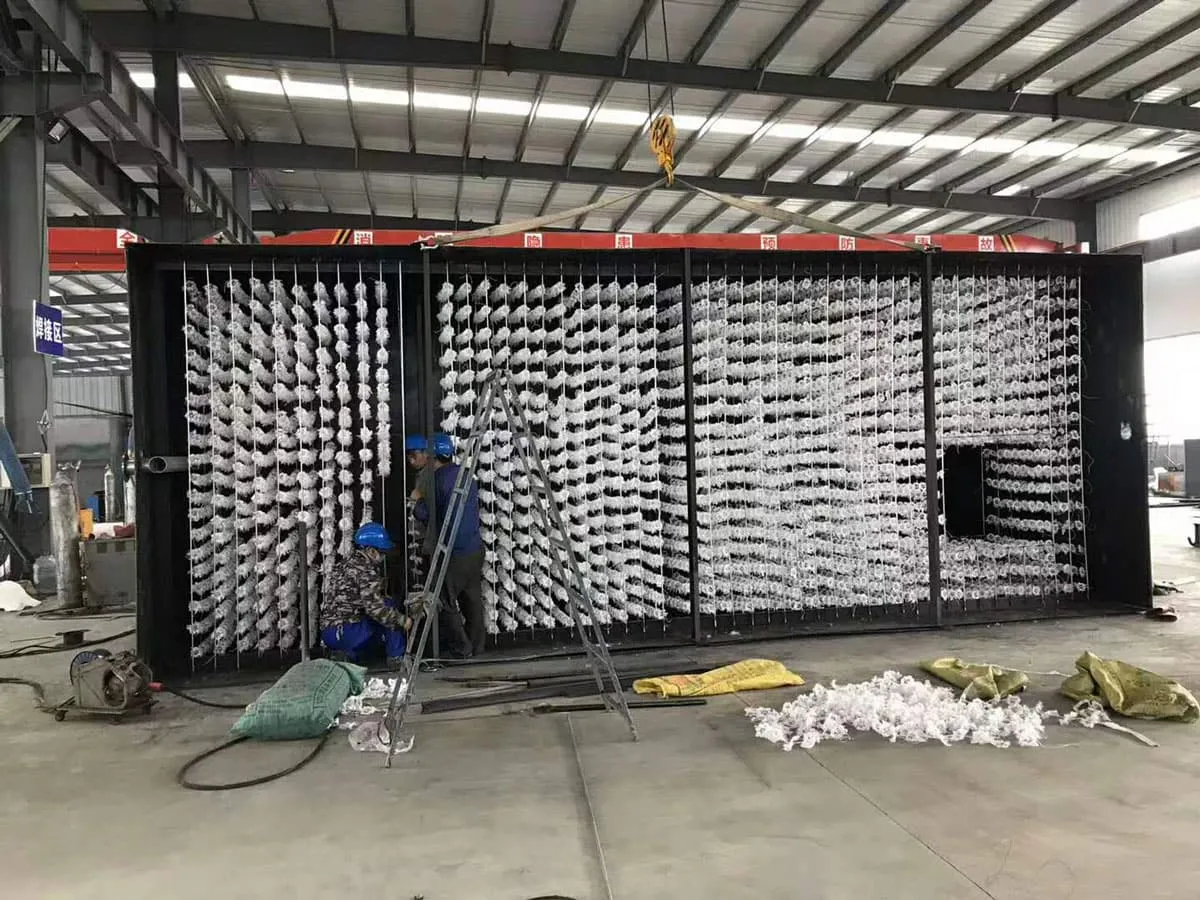
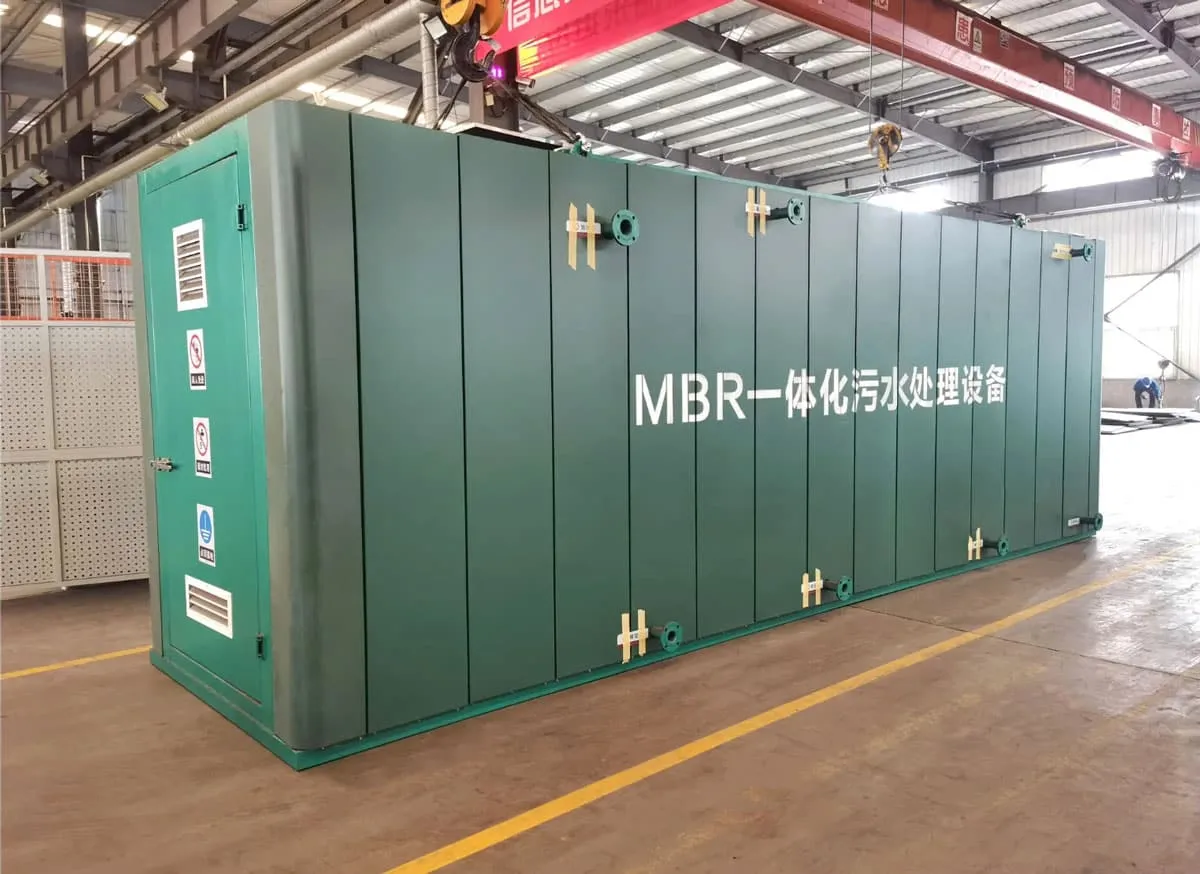
Motiva MBR wastewater treatment plant manufacturing workshop

MBR And MBBR Biological Systems

MBR and MBBR systems are reviewed after pretreatment and load control, especially where compact footprint or stable downstream effluent is important.

Review MBR Options
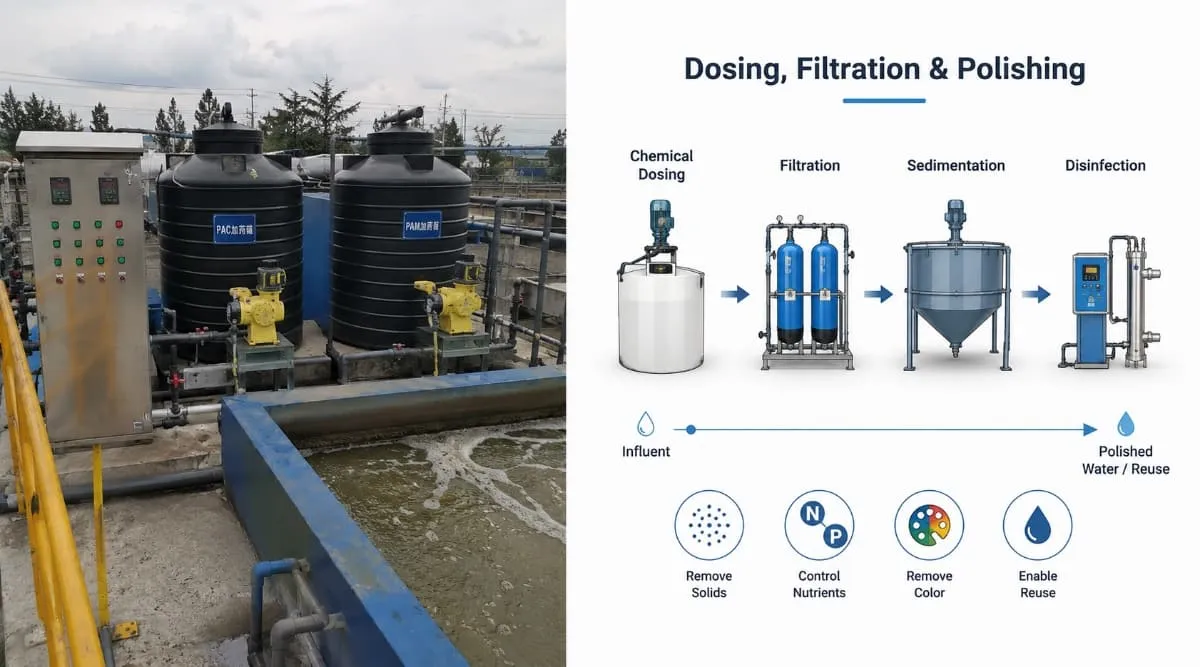
Dosing filtration and polishing equipment for food and beverage wastewater

Dosing, Filtration And Polishing

Chemical dosing, mechanical filtration, sedimentation and disinfection options are reviewed around the main route when solids, nutrients, color or reuse targets require polishing.

Review Treatment Equipment
Route Matrix

Food Wastewater Conditions And Process Direction

Early route decisions become clearer when each pollutant group is matched with its treatment role, not only with an equipment name.

High FOG And TSS

Use screening, equalization, pH control, coagulation and DAF to reduce floatable load before biological treatment.

Select DAF Pretreatment

High Soluble COD

Evaluate anaerobic treatment where biodegradability, temperature and operating conditions support methane-forming biology.

Evaluate Anaerobic Stage

Compact Discharge Route

Consider MBR or MBBR packaged systems after pretreatment, especially when space or stable downstream solids separation matters.

Review Packaged Plants

Reuse Or Higher Target

Add filtration, disinfection, membrane review or advanced treatment according to the reuse class, permit limit and concentrate path.

Compare ZLD Routes
Project Experience

Food And Organic Wastewater References

Compare each reference by wastewater source, treatment route, capacity and available operating data. A new plant still needs its own influent review and discharge target before final sizing.
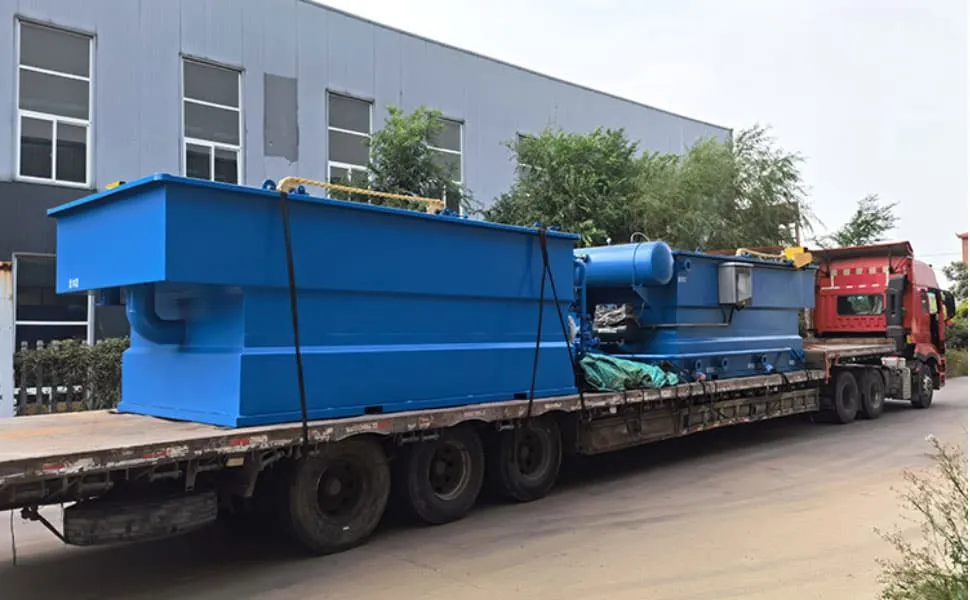
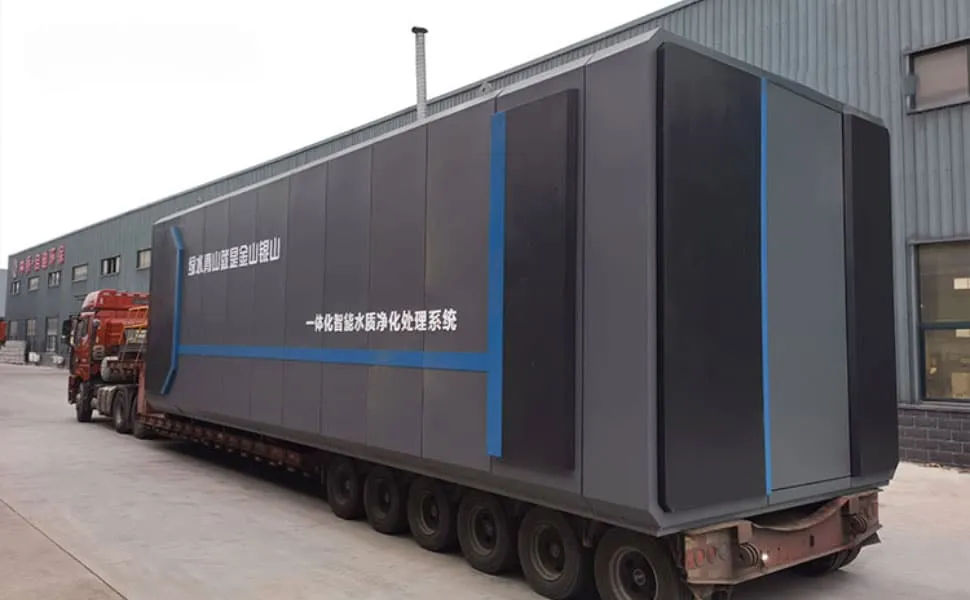
Dissolved air flotation pretreatment project for slaughterhouse wastewater

Shandong Slaughterhouse DAF

DAF pretreatment reference for slaughterhouse wastewater where grease and floatable solids shape the front-end route.
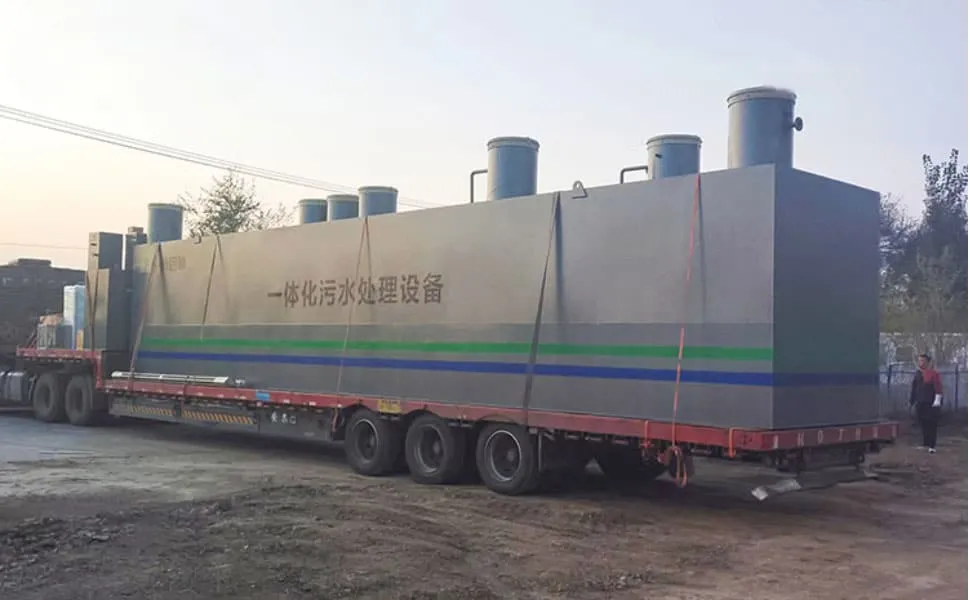
A2O biological treatment project for meat processing wastewater

Henan Meat Processing A2O

A 50 m3/day meat processing wastewater reference using an A2O biological route for organic wastewater treatment.
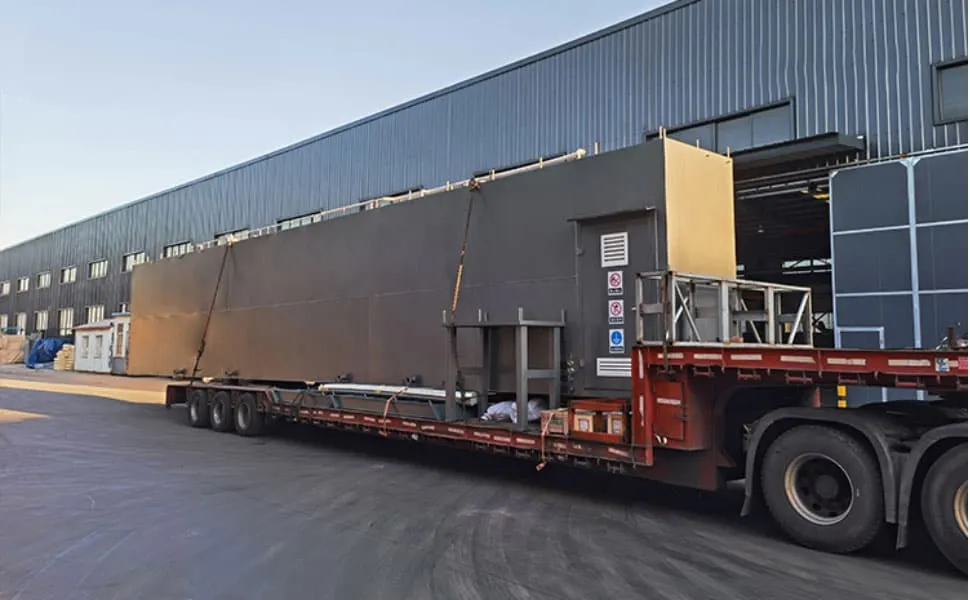
Underground AO and MBR integrated wastewater treatment project

Henan Livestock MBR

MBR reference for livestock wastewater where compact biological treatment and solids separation are part of the equipment route.
Slaughterhouse Wastewater Treatment Project for Pig Farm in Hunan

Hunan Pig Farm Wastewater

Organic wastewater reference for pig farm and slaughterhouse conditions with grease, solids and biological treatment concerns.

Water Data

Prepare The Inputs Before Equipment Selection

Clear wastewater data reduces guesswork in DAF sizing, anaerobic loading, biological volume, sludge handling, chemical dosing and material review. Send available test data first; missing values can be listed as unknown.
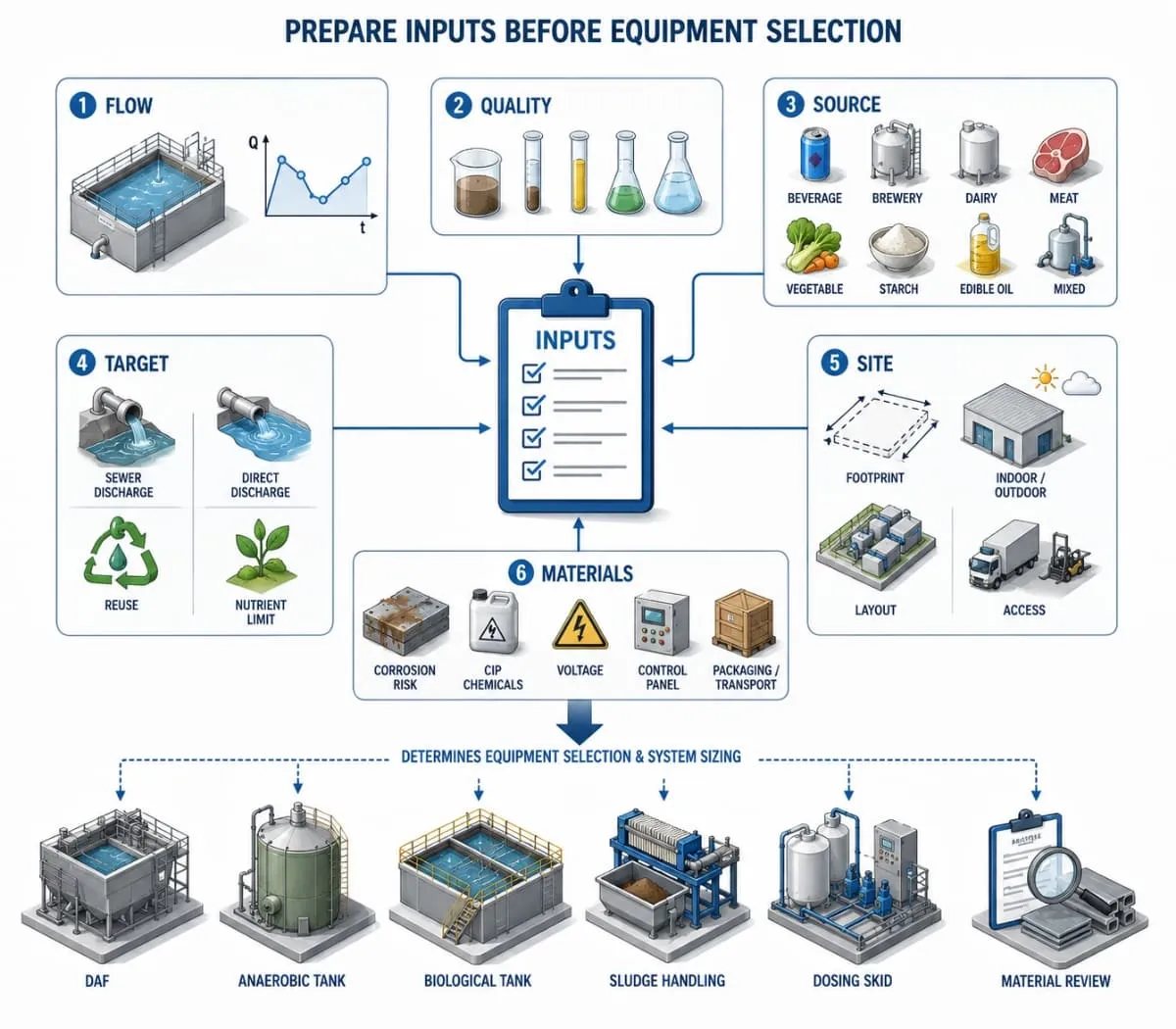
Flow Profile
Daily flow, hourly peak, production shifts, cleaning cycles and seasonal changes.
Water Quality
COD, BOD, SS, oil/FOG, pH, TN, TP, TDS, salinity, temperature and color if available.
Production Source
Beverage, brewery, dairy, meat, slaughter, vegetable, starch, edible oil or mixed processing stream.
Treatment Target
Sewer discharge, direct discharge, process reuse, non-contact reuse, nutrient limit or future expansion.
Site Conditions
Available footprint, indoor/outdoor layout, installation height, sludge room, odor control and access limits.
Materials And Delivery
CIP chemicals, corrosion risk, voltage, control preference, packaging, transport and installation constraints.
Water data checklist for food and beverage wastewater treatment review
Buyer Questions

Questions Before Selecting A Food Wastewater System

Before sizing, confirm the pretreatment need, organic load, biological route, cleaning chemicals and downstream target.

When is DAF usually considered for food and beverage wastewater?

DAF is commonly considered when oils, grease, floatable solids, light flocs or suspended solids need to be removed before biological treatment. Equalization, pH control and dosing conditions are reviewed with the DAF scope.

Does food wastewater require anaerobic treatment?

No. Anaerobic treatment is most relevant for suitable medium or high organic load streams. Wastewater biodegradability, temperature, FOG, TSS, pH, nutrients and operating stability determine whether an IC or related anaerobic route is a good fit.

Can MBR or MBBR treat food processing wastewater?

MBR and MBBR systems can be part of the route after proper pretreatment and load balancing. Raw high-FOG or high-solids streams usually need front-end separation before a biological package is selected.

What data is needed for an early food wastewater RFQ?

Daily flow, peak flow, COD, BOD, SS, oil or FOG, pH, TN, TP, TDS, production source, cleaning chemicals, discharge target and site layout are the most useful early inputs.

Can one system handle mixed food, beverage and cleaning streams?

Mixed streams can be handled when the equalization, pH control, separation and biological stages are sized for the range of loads. Strong or intermittent cleaning chemicals need special attention because they can upset biological treatment.

How are reuse or stricter discharge targets handled?

Reuse and stricter discharge targets can require biological polishing, nutrient removal, filtration, disinfection, membranes or advanced treatment. The concentrate and sludge path must be considered before the route is finalized.

Send Project Inputs

Send Food Wastewater Data For Route And RFQ Review

Send one set of project inputs, and our team can route it to pretreatment selection, biological treatment review, complete system RFQ or packaged equipment discussion without asking you to restart the inquiry.

Food, beverage, dairy, brewery, slaughter, meat, edible oil and mixed organic wastewater projects.
DAF, IC anaerobic, MBR, MBBR, dosing, filtration, sludge and reuse-related equipment review.
Custom equipment scope by flow rate, water quality, site layout, material needs and discharge target.

Motiva RFQ / Water Data Form

Water reports, drawings and site photos are useful, but the first review can start with basic flow, pollutant and site information.

Attach PDF, Excel or image reports when available. Actual configuration depends on wastewater characteristics and project requirements.

Great! We have received your message. Someone in charge will contact you shortly.

We are unable to process your submission. Please try again.

滚动至顶部

Request A Quote

Attach PDF, Excel or image reports when available. Actual configuration depends on wastewater characteristics and project requirements.

Great! We have received your message. Someone in charge will contact you shortly.

We are unable to process your submission. Please try again.