Industrial Wastewater Treatment Solutions By Water Quality And Route
Oil, suspended solids, COD, color, metals, salinity, pH and biodegradability shape the treatment route before a plant is sized. Send water data to match industrial streams with pretreatment, biological treatment, anaerobic reactors, advanced oxidation, acid recovery or ZLD routes.
Industrial Wastewater Needs A Route Before Equipment Selection
Two factories often use similar equipment names and still need different routes. Wastewater source, pollutant profile, hydraulic load, discharge target, site layout and material requirements set the first technical direction.
Pollutants Decide The Main Route
Oil, SS, COD, color, ammonia, metals, salinity and pH determine whether the first route focuses on flotation, biological treatment, anaerobic reaction, catalytic treatment, evaporation or polishing.
Industry Context Shapes Pretreatment
Food, textile, electroplating, petrochemical, coking, coal chemical and pharmaceutical streams differ in biodegradability, shock load, chemicals, sludge and corrosion risk.
Targets Change The Equipment Scope
Discharge, reuse, upgrading or ZLD targets affect material selection, reactor sequence, polishing depth, concentrate handling, redundancy and the data needed for quotation.
Supplier Strength Behind The Treatment Route
Industrial wastewater procurement needs more than a process idea. Factory capacity, quality systems, engineering documents and production support affect supplier confidence before an overseas order is placed.
Experience covers equipment selection, route design, manufacturing coordination and project support across different wastewater conditions.
Workshop scale supports integrated plants, tanks, flotation systems, reactors and supporting equipment for customized project scope.
Quality, environmental and occupational health and safety management certifications support supplier evaluation.
Product certification, multiple patents and software copyrights support the technical and manufacturing background.
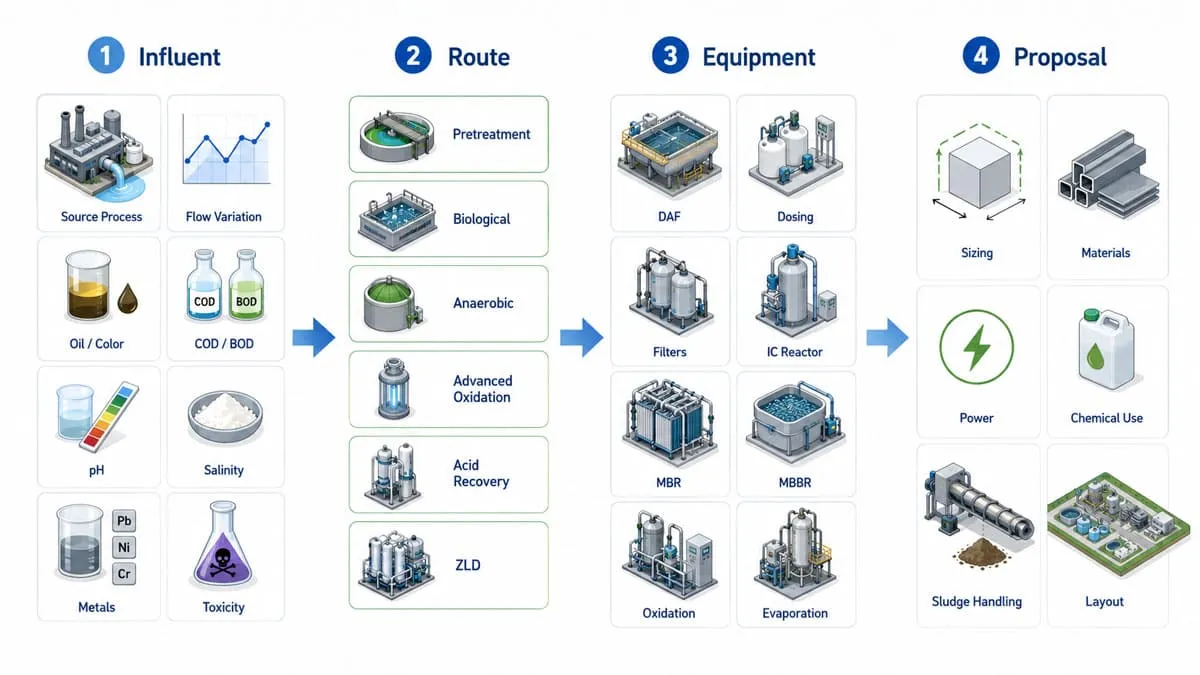
From Industrial Water Data To Treatment Scope
A practical system proposal starts with a process route. Equipment names become useful when the route already reflects wastewater composition, flow variation and final project target.
Define Influent And Variation
Confirm source process, hourly and daily flow, peak load, visible oil or color, COD/BOD, pH, salinity, metals, toxicity and existing treatment problems.
Choose The Route Direction
Select pretreatment, biological treatment, anaerobic reaction, advanced oxidation, acid recovery or ZLD according to water quality and discharge, reuse or no-liquid-discharge target.
Connect Equipment Families
Map DAF, dosing, filters, IC reactors, MBR, MBBR, catalytic self-electrolysis, ozone catalytic oxidation, evaporation or other units to the selected route.
Confirm Proposal Inputs
Final sizing, material, power, chemical use, sludge handling and layout are checked after water data, site drawings and target standards are assessed.
Treatment Routes Change With Industrial Wastewater Conditions
Wastewater source, pollutant profile, biodegradability, salinity, site layout and outlet target determine the treatment route and final equipment scope.
Industrial Routes Reflect The Production Source
Industry type does not replace water testing, but it sets the first route assumption, equipment shortlist and RFQ questions.
Food, Beverage And Slaughter Wastewater
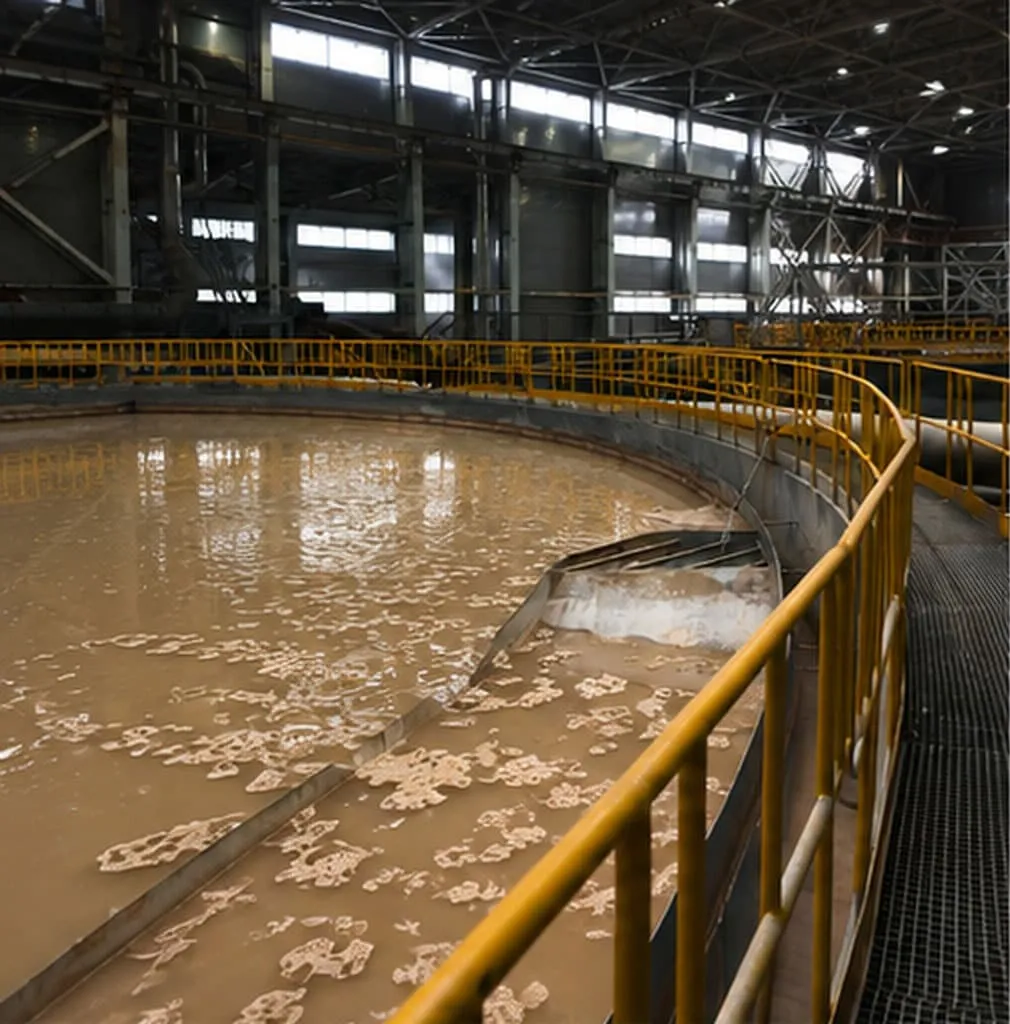
High organic load, oil, suspended solids, proteins, fats and flow variation often put DAF, biological treatment and sludge handling into the first equipment scope.
Evaluate Food Wastewater Route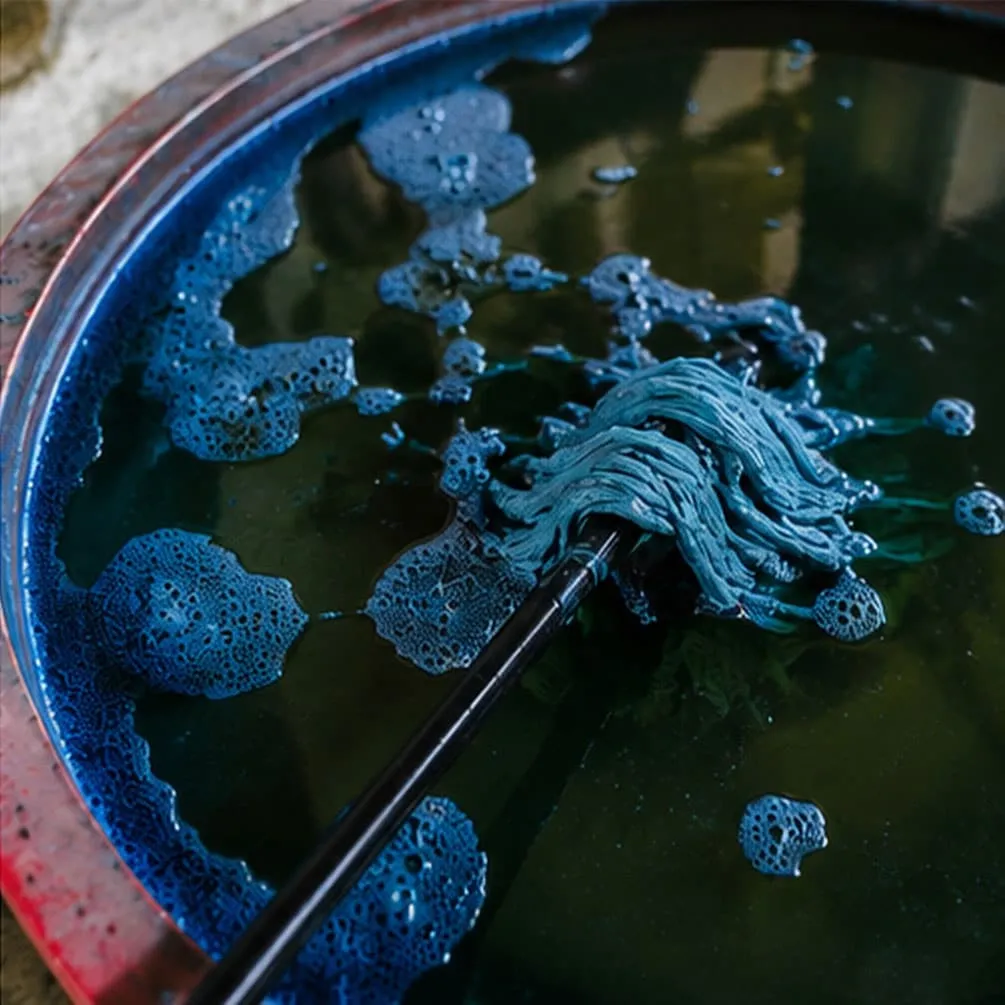
Textile, Dyeing And Printing Wastewater
Color, COD, surfactants, salt and poor biodegradability often require coagulation, oxidation, biological treatment and polishing in different sequences.
Evaluate Textile Wastewater Route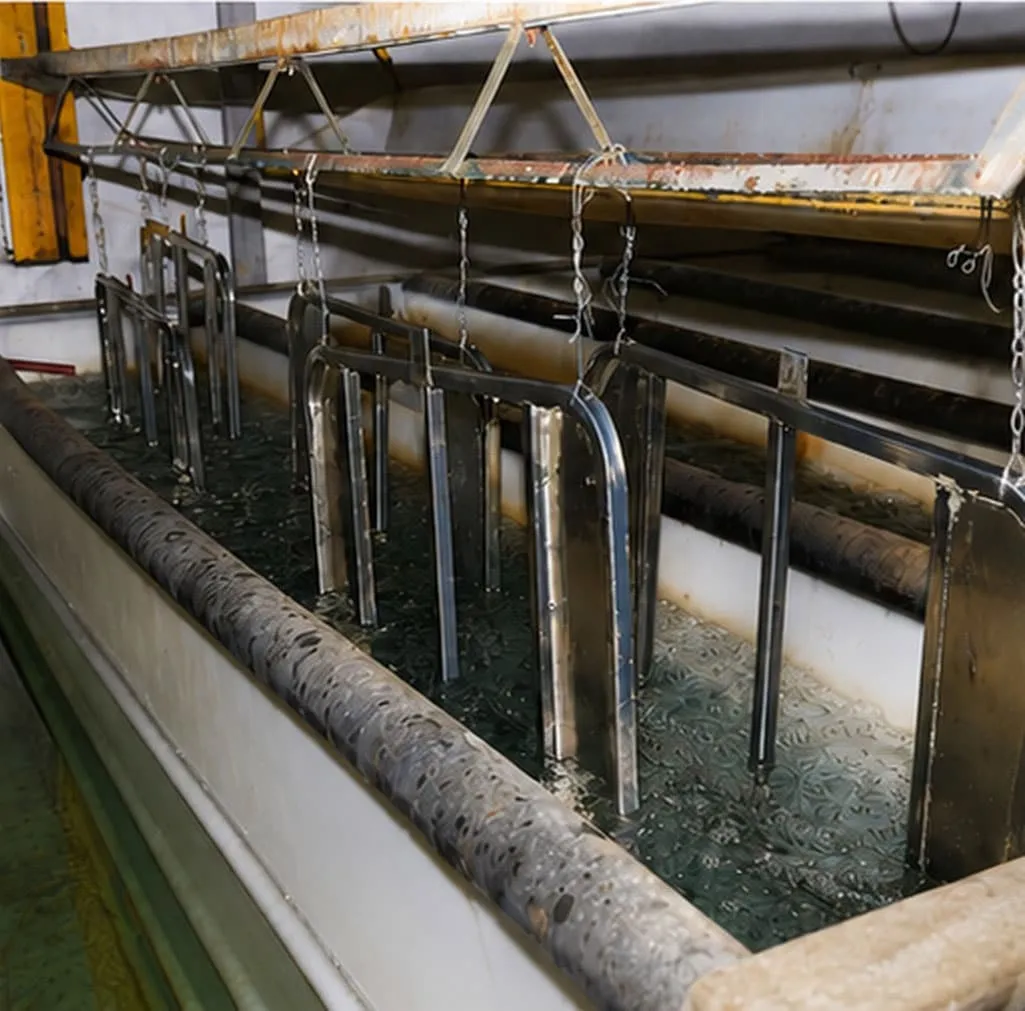
Electroplating, PCB And Metal Finishing
Metals, acid/alkali variation, chelates and rinse-water concentration drive pH control, precipitation, filtration and catalytic pretreatment decisions.
Evaluate Acidic And Metal Streams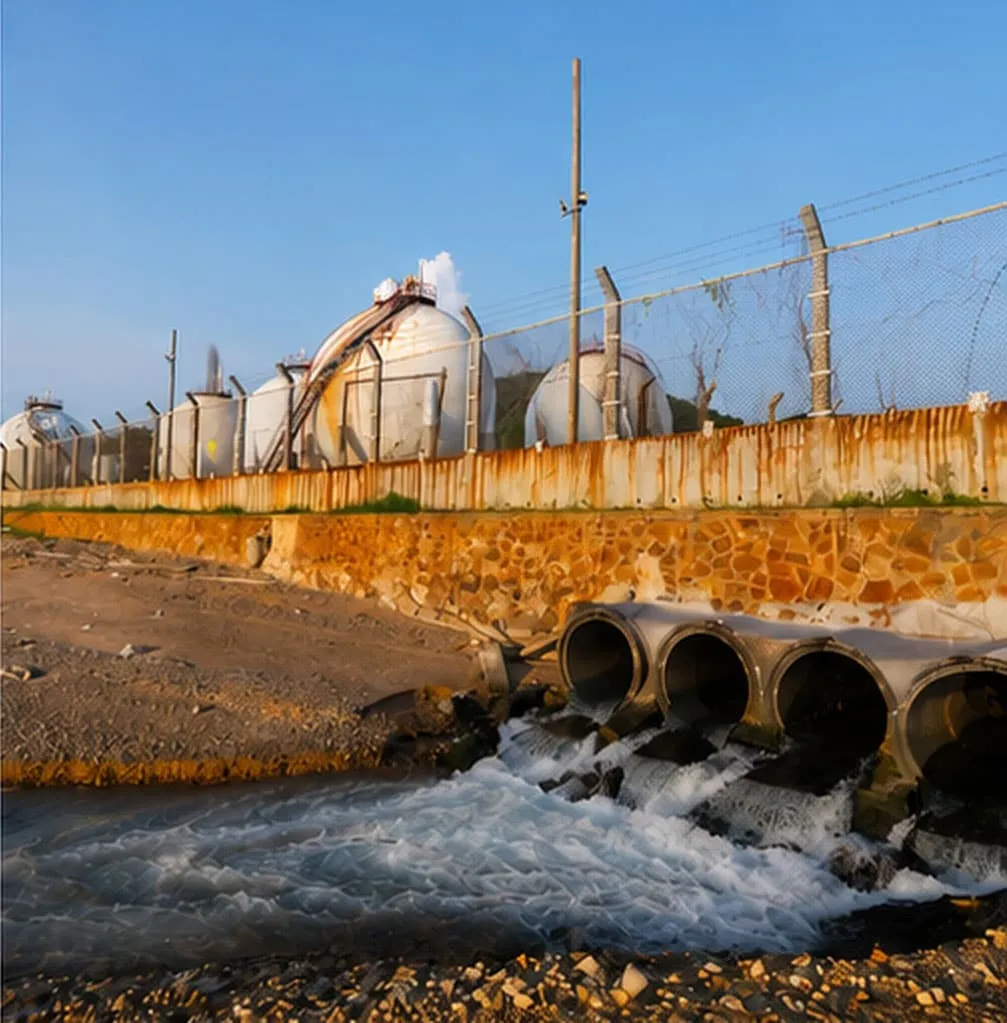
Petrochemical, Refinery And Chemical Wastewater
Oil, refractory organics, salinity, toxic compounds and variable process drains often need staged pretreatment and advanced treatment assessment.
Evaluate Advanced Treatment Routes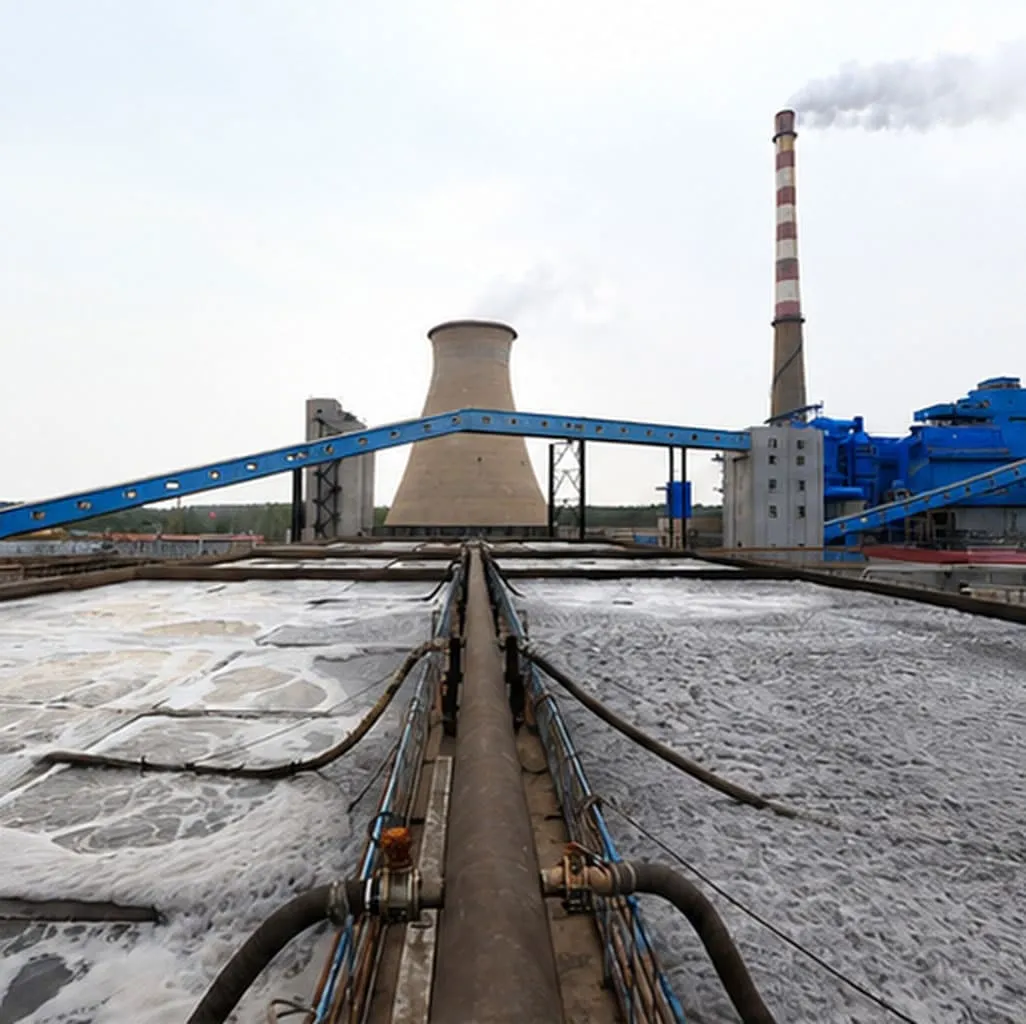
Coking And Coal Chemical Wastewater
High COD, phenols, ammonia, salts and poor biodegradability often place anaerobic, catalytic oxidation and ZLD evaluation into the same discussion.
Evaluate ZLD Route Options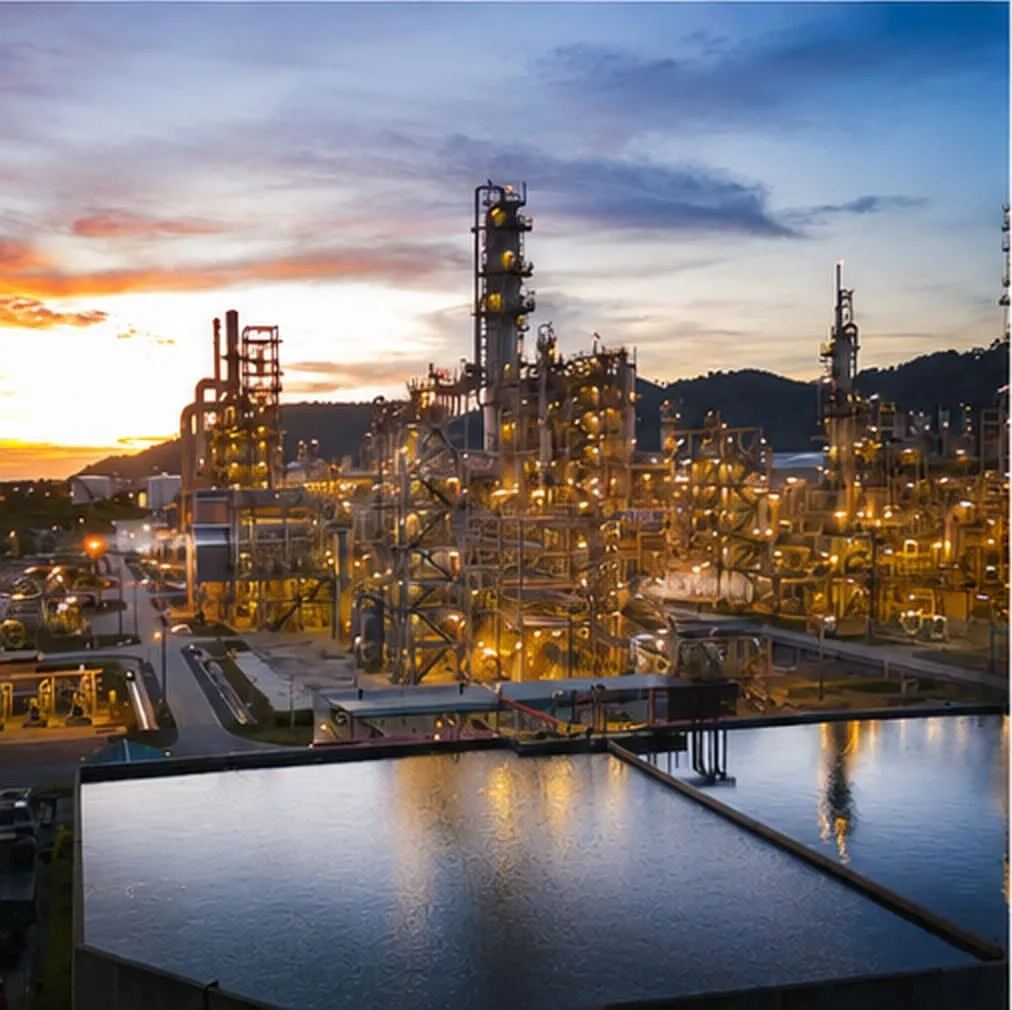
Pharmaceutical And Fine Chemical Wastewater
Low biodegradability, toxicity, solvents, batch variation and color often require pretreatment tests before biological or polishing units are selected.
Equipment Families For Industrial Wastewater Routes
Main treatment units and support equipment need clear engineering roles. A catalytic reactor, IC reactor or ZLD unit is not interchangeable with a simple support device.
DAF And Chemical Conditioning
Oil, SS, light flocs and colloids often need coagulation and flotation before biological treatment, filtration or polishing.
Biological Treatment Systems
MBR, MBBR and packaged biological systems fit projects where biodegradability, footprint and effluent target support biological treatment.
IC Anaerobic Reactor Route
IC internal circulation anaerobic reactors serve as a core anaerobic stage for suitable medium and high concentration organic wastewater.
Advanced Oxidation And Catalytic Units
FCM-IV, SF and SAO3 / SO routes target refractory organics, color, selected metals and advanced polishing conditions when test response supports the route.
Acidic Wastewater And Material Selection
Acidic streams, mixed acids and corrosion-sensitive projects need process and material checks before equipment structure is selected.
ZLD And Concentrate Handling
High-salinity or no-liquid-discharge projects require separate design for pretreatment, concentration, evaporation, crystallization and salt handling.
Advanced Technology Names Need Water-Quality Context
Special treatment names become useful when the physical or chemical principle is clear. Lab response, dosage, reaction time and downstream targets decide whether a route is suitable.
FCM-IV / SF
Catalytic Self-Electrolysis / Iron-Carbon Micro-ElectrochemistryFCM-IV is a catalytic self-electrolysis material line; SF is the related reactor route. FCM-IV material data includes about 1230 mV internal electrolysis potential, 12-18 mm particle diameter and 1.2-1.4 g/cm3 bulk density.
Evaluate Catalytic Route FitSAO3 / SO
Catalytic Ozonation / Advanced Oxidation PolishingSAO3-II catalyst material and SO reactors use ozone catalytic oxidation to improve organic pollutant degradation. A listed comparison test recorded COD 130 to 51 mg/L after 40 minutes under stated SAO3-II catalyst conditions, not as a universal project result.
Evaluate Oxidation RouteSE Series
Mixed Acid Recovery / Low-Temperature EvaporationSE Series is positioned for suitable waste acid and mixed acid streams. The route combines low-temperature evaporation and anti-scaling design when acid composition, recovery value and material requirements support it.
Evaluate Acid RecoveryBench And Pilot Inputs
Water Data Before Performance ValuesRemoval rates, energy use, chemical dosing and final effluent expectations are tied to influent data, test conditions, reaction time, hydraulic load and downstream target before proposal values are set.
Send Test InputsProject References Need Data, Not Only Equipment Names
Wastewater source, flow, influent indicators, treatment route, outlet target and operating conditions must be compared together before applying a past route to a new project.
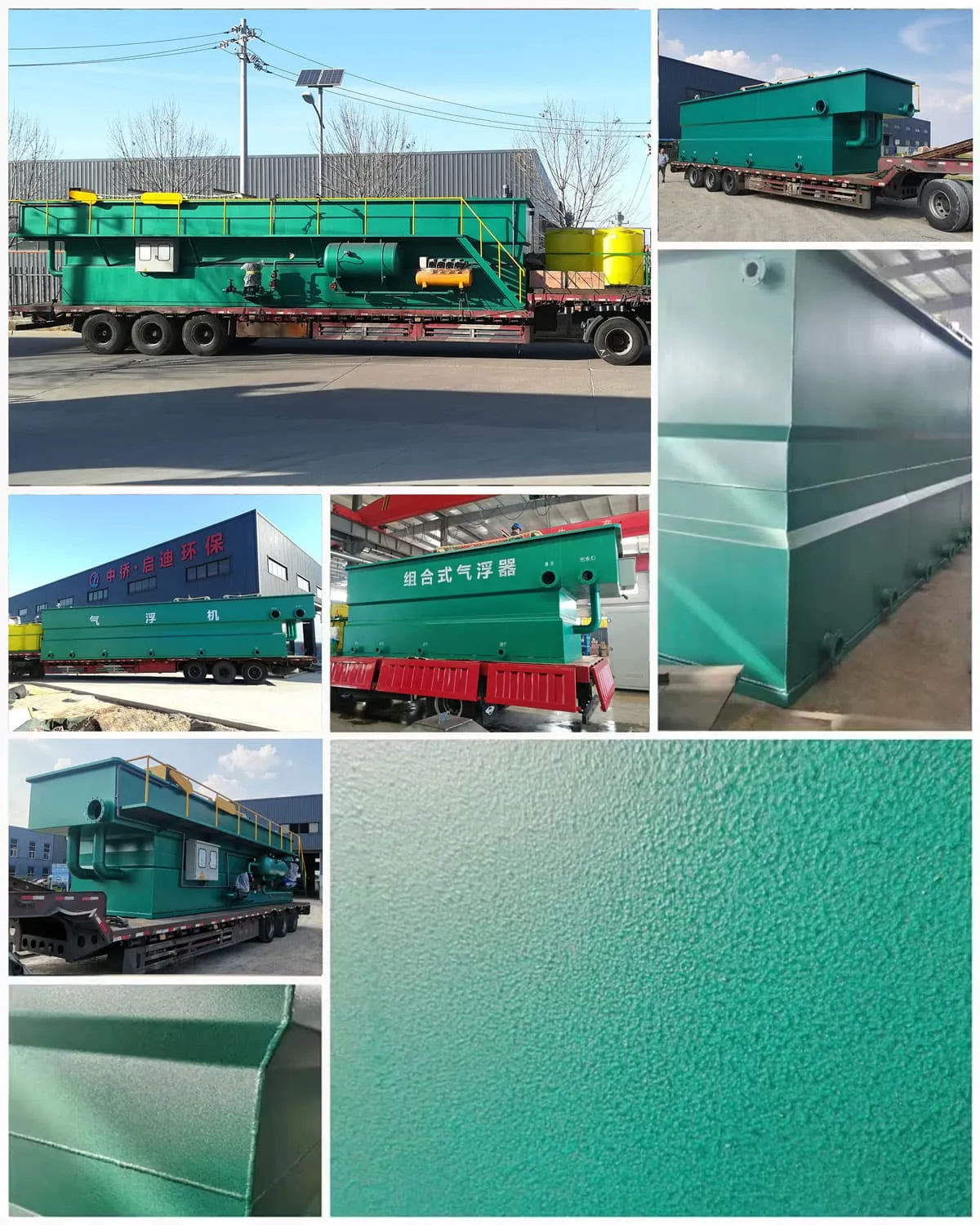
DAF Pretreatment For Industrial Streams
Oily, slaughterhouse and industrial pretreatment references are best compared by flow, oil/SS, chemical response, sludge volume and downstream treatment target.
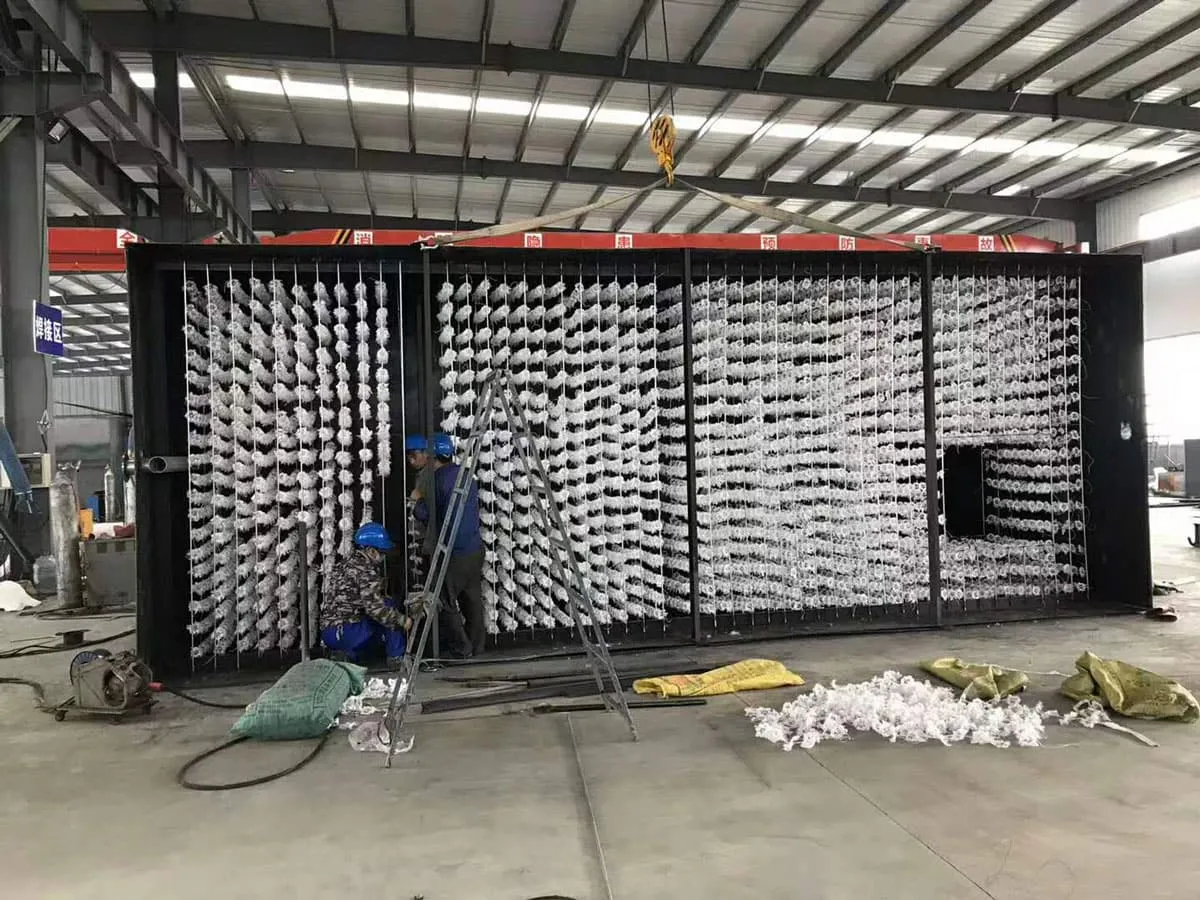
Biological Treatment After Pretreatment
MBR, MBBR or packaged biological systems follow pretreatment when organic load, biodegradability, footprint and discharge target support a biological route.
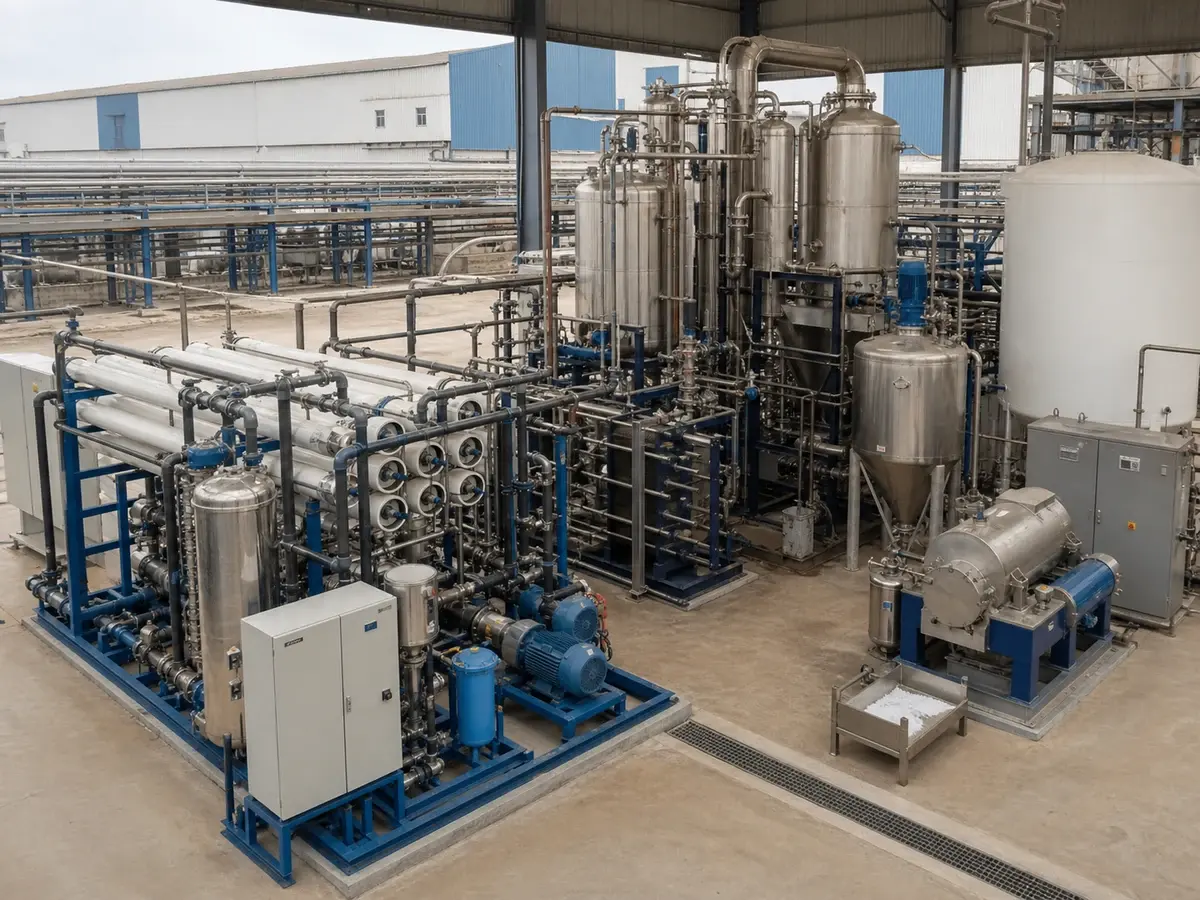
High-Difficulty Route Data
High-salt, high-COD, acidic or low-biodegradability projects need catalytic, oxidation, concentration or ZLD route data instead of a single standard plant claim.
Data Needed For Industrial Wastewater Treatment Selection
Early discussion often begins with incomplete data, but route selection becomes much stronger when the main influent indicators and project target are available.
Water Quality
Project Conditions
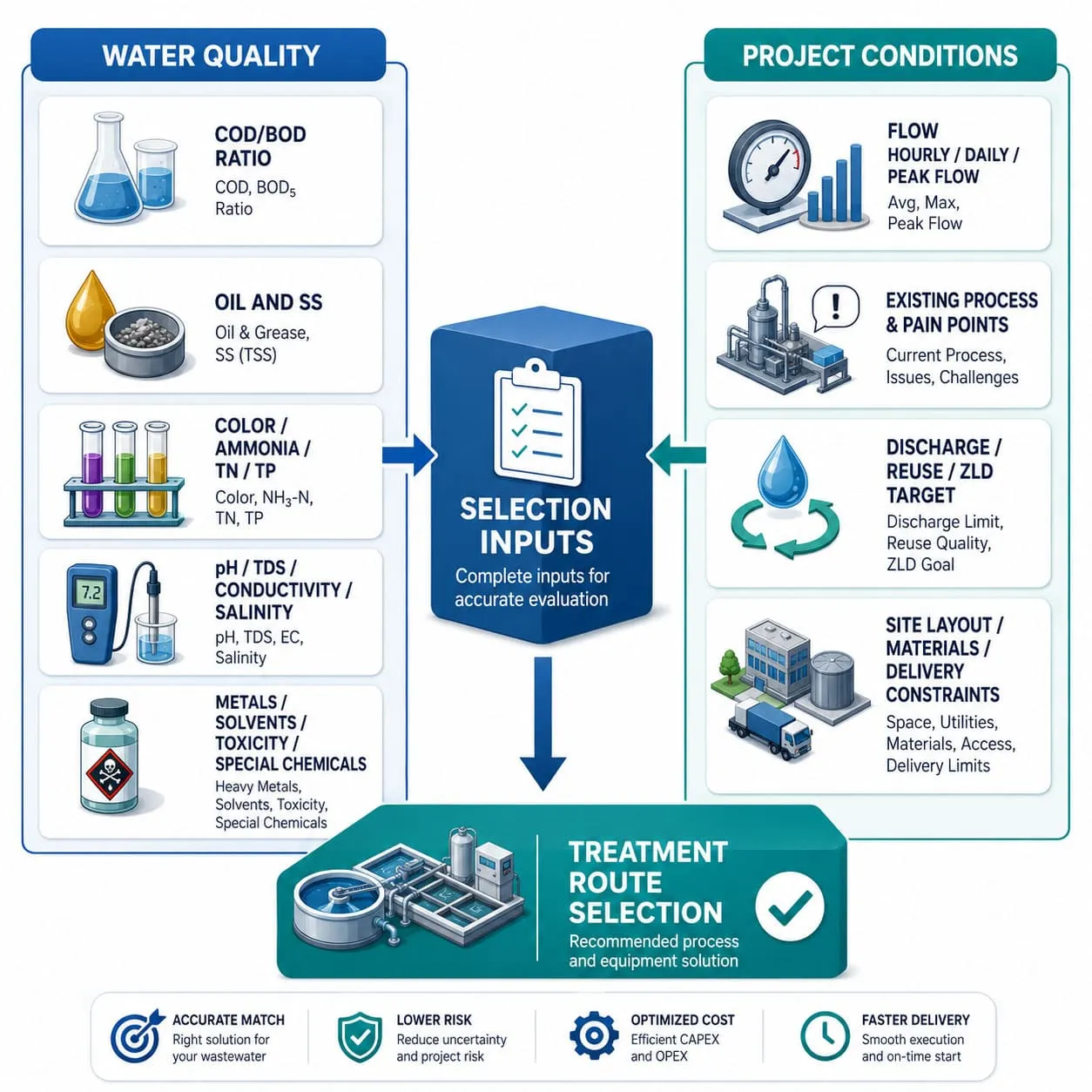
Operating Cost And Discharge Inputs Belong In The First Technical Check
Long-term operating cost depends on aeration, pumping, ozone or chemical dosing, sludge handling, membrane cleaning, concentrate management and the discharge or reuse target used for design.
Energy And Controls
Separate installed power, operating power, pump load, aeration demand, ozone generation and control scope. PLC, touch screen or remote monitoring scope depends on equipment configuration.
Chemicals And Sludge
Define pH adjustment, coagulant, flocculant, nutrients, oxidant dosage, sludge moisture target, dewatering method and final sludge destination before cost comparison.
Permit And Standards
Use the project country's discharge permit, reuse target or buyer standard as the design basis. GB, EPA or IFC EHS references are compared when they match the project context.
Materials And Concentrate
High chloride, acid, alkali, salinity, scaling tendency and RO brine change material selection, anti-corrosion design, evaporation route and salt or concentrate handling.
Industrial Wastewater Treatment Questions
Practical answers start with water source, flow, pollutant profile, discharge target and site constraints. Final capacity and cost come from project-specific sizing.
Send Industrial Wastewater Data For Treatment Route And RFQ
Use the Motiva RFQ / Water Data Form for industrial wastewater treatment route selection, equipment scope or complete system quotation. The same project input supports pretreatment, biological treatment, advanced treatment and ZLD assessment.