Zero Liquid Discharge System For Industrial Concentrate
When high-salt wastewater, RO brine or coal chemical concentrate cannot be managed as a normal discharge stream, route selection starts with TDS, COD, scaling ions, flow and the final water or solids target. We review pretreatment, catalytic self-electrolysis, ozone catalytic oxidation, membrane concentration, evaporation and crystallization as one project route.
When ZLD Becomes The Right Question
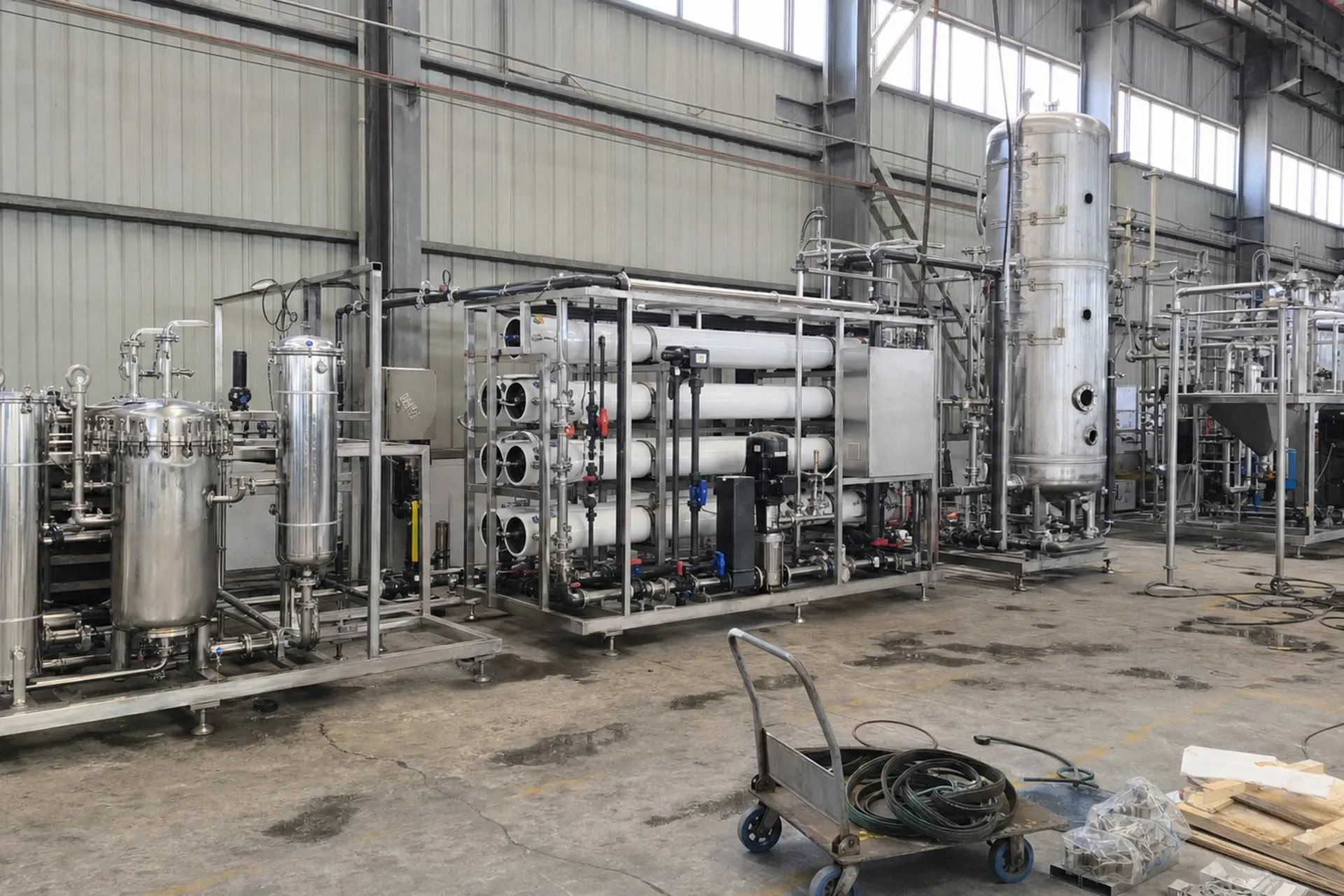
Zero liquid discharge is not a single machine decision. It is a water-balance, salt-balance and risk-control decision for projects where concentrate, reuse target or discharge restriction changes the whole treatment route.
Review Concentrate Load
RO concentrate can combine high salt, residual COD, hardness, silica and scaling ions. Pretreatment and concentration steps are reviewed before evaporation load is fixed.
Check Salt And COD Together
High salinity alone does not define the route. COD, oil, color, heavy metals and biodegradability decide whether catalytic pretreatment is needed before concentration or crystallization.
Separate Refractory Organics
Coal chemical, coking and similar difficult streams often need advanced pretreatment to reduce fouling pressure and protect downstream membrane or evaporation equipment.
Define Material Requirements
Acid, chloride, fluoride, solvent carryover and temperature shape material choice, tank selection and whether acid recovery, neutralization or ZLD review should lead.
Confirm Water Quality Goal
A reuse target can require membrane polishing, oxidation or biological stability checks before the final concentrate stream is reduced or crystallized.
Plan Solids Handling
Mixed salts, sludge and crystallized solids still need handling. Salt quality, hazardous constituents and local disposal rules must be reviewed early.
Water Data Before Any Route
A ZLD proposal becomes meaningful only when the water data explains both treatment difficulty and concentrate behavior. Early review should collect the values below before comparing evaporation, crystallization or membrane concentration.
Route Options For High-Salinity Wastewater
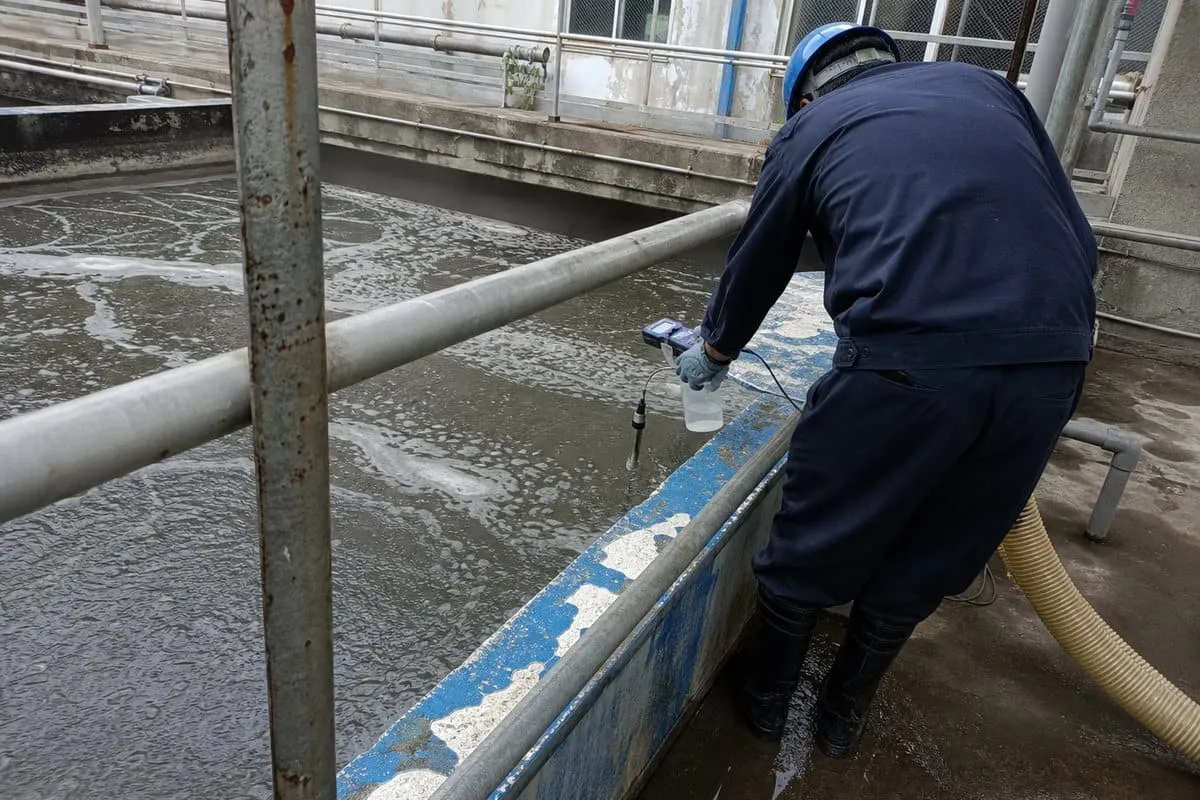
The same word "ZLD" can hide very different process trains. The route changes when salt concentration, COD, scaling tendency, membrane tolerance and solids handling change.
From Pretreatment To Salt Handling
Each stage protects a specific downstream duty: pretreatment reduces fouling and scaling risk, concentration lowers the evaporation load, and evaporation or crystallization defines the final water and solids paths.
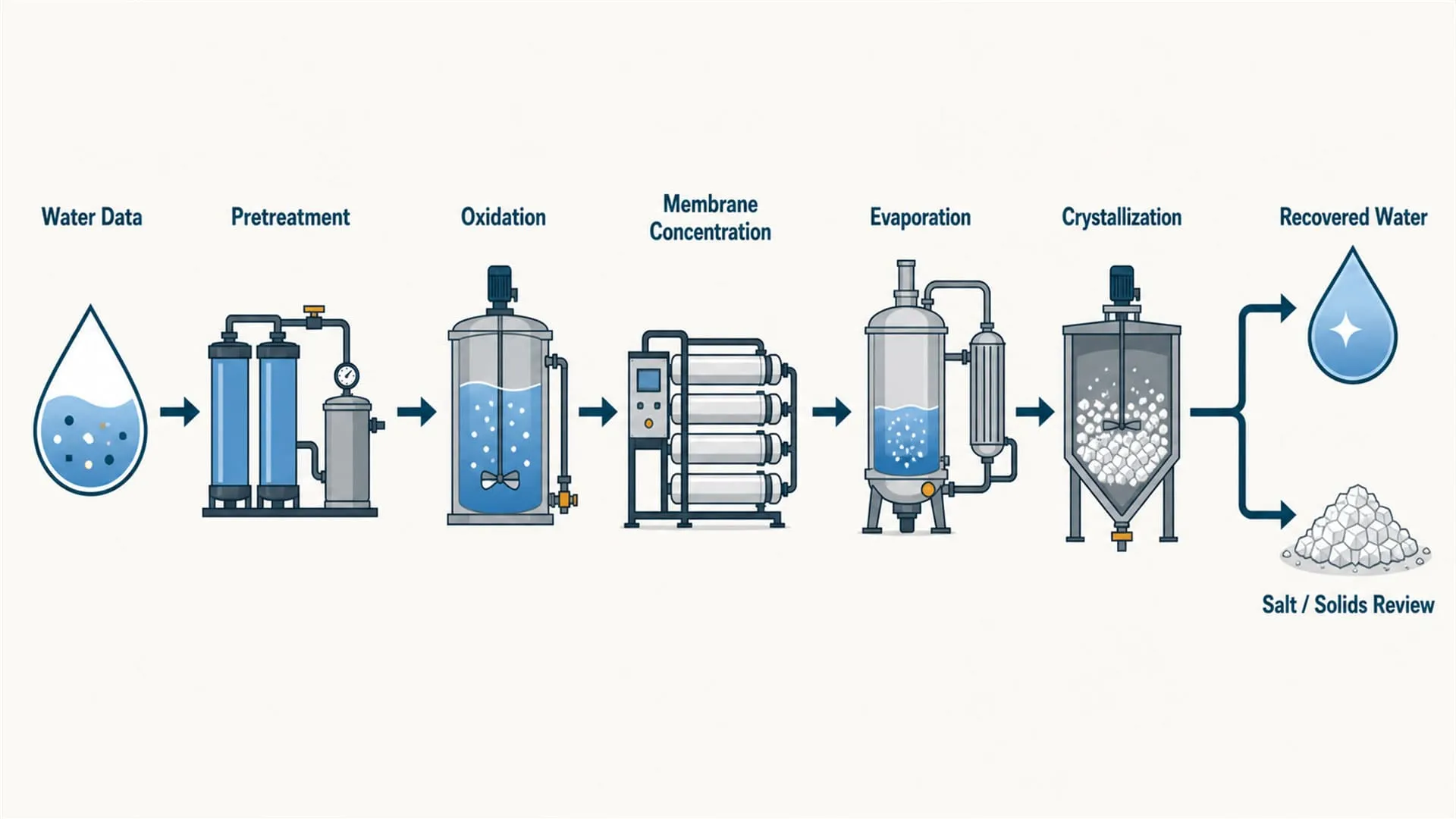
Characterize Water
Confirm flow, TDS, COD, pH, scaling ions, metals, oil, temperature and final water or solids target.
Protect Downstream Units
Use coagulation, DAF, dosing, filtration, catalytic self-electrolysis or oxidation where the water profile requires it.
Reduce Concentrate Volume
Review membrane concentration, evaporation load and recirculation behavior before crystallizer or solids handling is sized.
Define Water And Solids Path
Recovered water, mixed salt, sludge and any hazardous residue need separate handling decisions and local compliance checks.
Engineering Reference Points
The values below are useful for early comparison because they tie the route discussion to materials and test conditions. They are not final design values.
FCM-IV Internal Potential
FCM-IV catalytic self-electrolysis material specifications include approximately 1230 mV internal electrolysis potential in wastewater without external power source.
FCM-IV Particle Diameter
Material specifications also include particle diameter of 12-18 mm and bulk density of 1.2-1.4 g/cm3 for early reactor media review.
SAO3-II COD Test
In a 40-minute comparison test, SAO3-II ozone catalytic material reduced COD from 130 mg/L to 51 mg/L with ozone dosage around 50 mg/L.
SF And SO Upper References
For early comparison, SF can be reviewed with up to 50% COD and ammonia nitrogen reduction, and SO with up to 60% COD reduction, when water conditions fit.
Equipment Roles In The ZLD Train
ZLD depends on a chain of major treatment and support units. Each unit should be selected for a clear job, not added as a generic accessory.
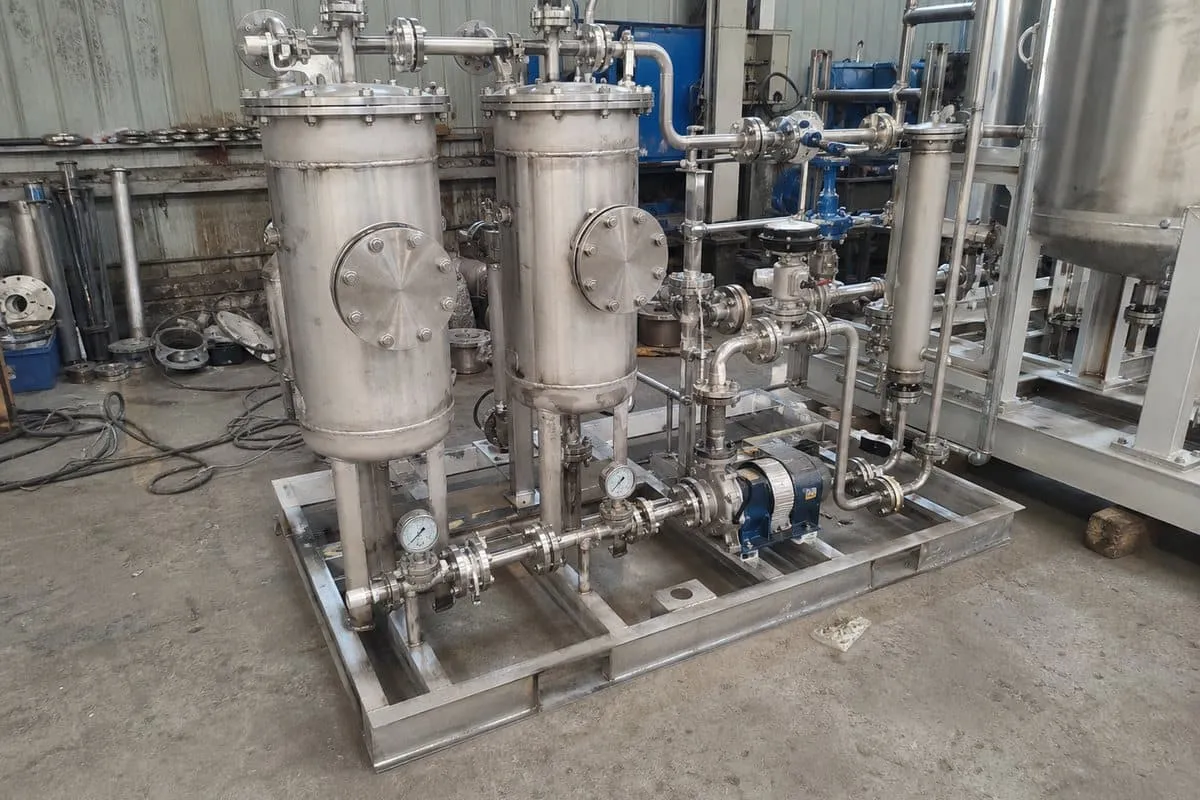
Catalytic Self-Electrolysis Material
Used where refractory organics, color, heavy metals or biodegradability improvement need review before biological, membrane or evaporation steps.
Self-Electrolysis Reactor
Can be evaluated as a major pretreatment reactor for COD, color, heavy-metal ions and difficult organic wastewater.
Ozone Catalytic Oxidation
Reviewed for advanced oxidation, biodegradability improvement and organic load reduction before reuse, concentration or evaporation.
Pretreatment And Solids Separation
DAF, dosing, sedimentation and media filtration can protect downstream membranes, oxidation reactors and evaporators from suspended solids or oil.
Concentration And Reuse Route
Membrane concentration is reviewed where water recovery, membrane tolerance and concentrate scaling risk make it suitable before final reduction.
Evaporation And Crystallization
Evaporators and crystallizers are reviewed after salt load, organics, scaling tendency, foam risk, energy route and solids destination are defined.
Decisions That Control Cost And Risk
The most expensive ZLD mistakes usually come from sizing evaporation too early, ignoring scaling chemistry or treating mixed salts as a clean byproduct. These decisions should be visible before procurement.
Evaporation Load
Every cubic meter that reaches evaporation affects power or steam demand. Membrane concentration and pretreatment may reduce load when water chemistry allows.
Scaling And Fouling
Hardness, silica, sulfate, fluoride, organics and oil can change cleaning frequency, recovery ratio and equipment material requirements.
Salt And Sludge Destination
ZLD reduces liquid discharge, but it does not erase solids. Mixed salt, sludge and hazardous residues need a documented handling path.
Review Before Quoting
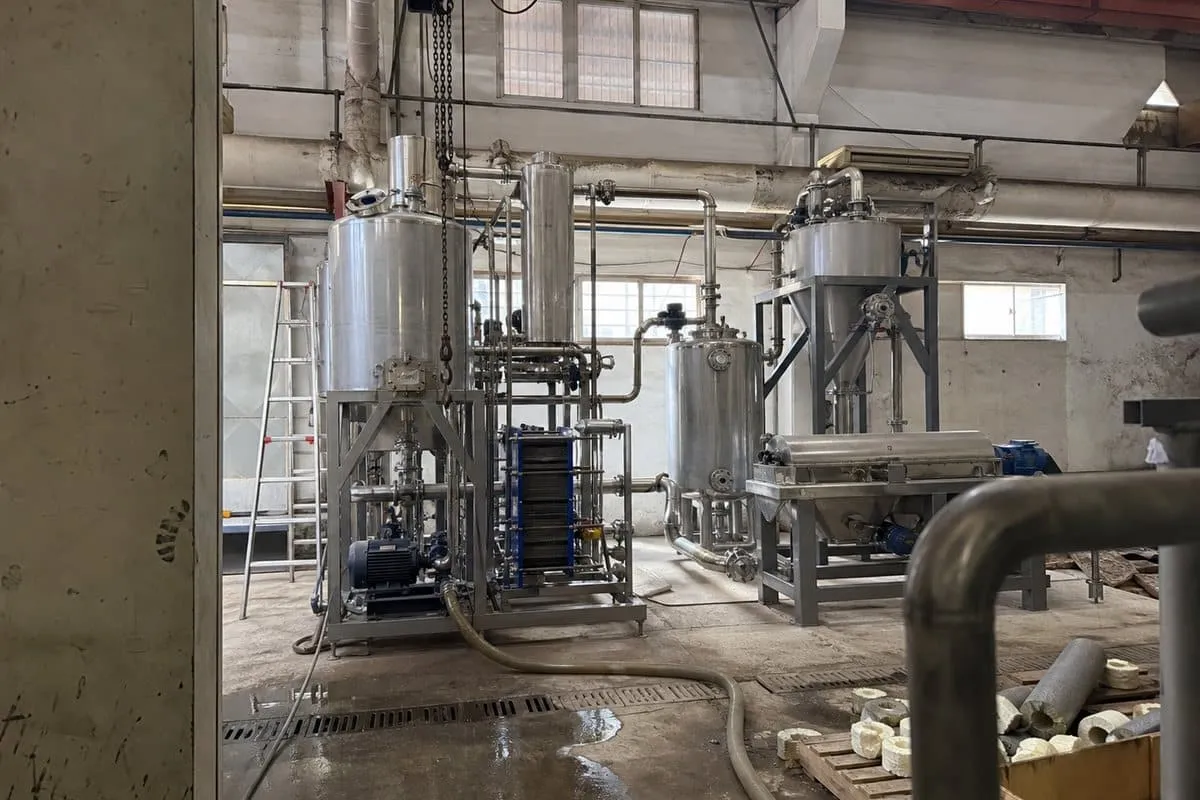
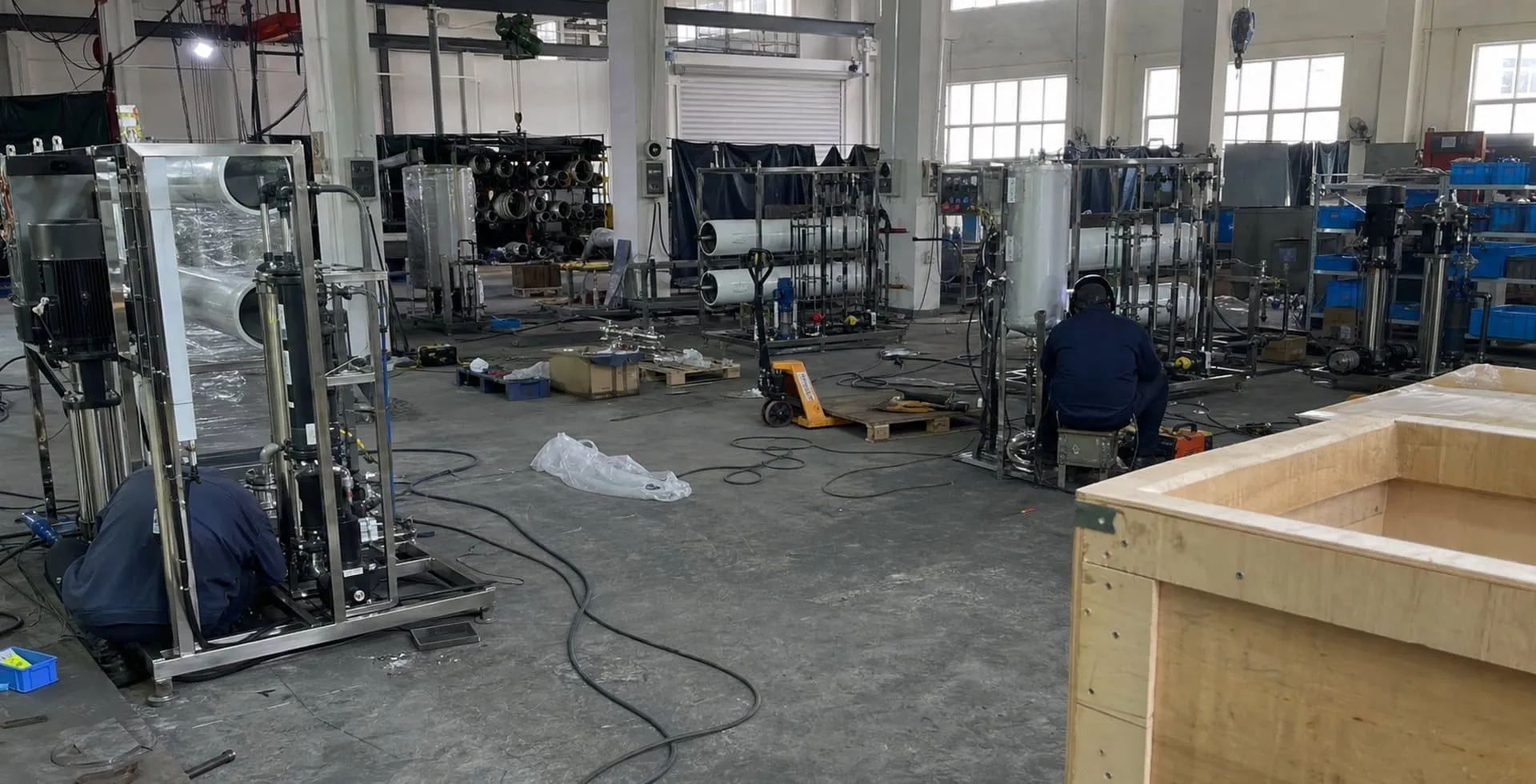
Manufacturing And Review Support
For ZLD procurement, the supplier review should cover route design, equipment manufacturing, corrosion-sensitive components, documentation and commissioning conditions.
Years Of Experience
Our team supports wastewater route review, equipment selection and project-specific configuration work.
m2 Workshop Area
Workshop capacity supports equipment fabrication, assembly, quality review and delivery preparation.
Route And Layout Review
Flow rate, footprint, material requirements and utilities are checked before equipment scope is finalized.
Procurement File Support
Qualification documents, drawings, equipment lists and technical responses can be prepared for project review.
Related Routes To Compare
If the wastewater is still being classified, compare ZLD with the neighboring routes before locking the process train.
Industrial Wastewater Treatment
Start here when the stream is broad industrial wastewater and the project still needs pollutant-to-process classification before ZLD is considered.
Review Industrial Wastewater Routes ->Acidic Wastewater Treatment
Compare this route when acid recovery, neutralization, corrosion-resistant materials or mixed-acid evaporation may lead before ZLD.
Evaluate Acidic Wastewater Route ->Leachate Treatment System
Use the leachate route first when the stream comes from landfill, waste incineration or hazardous waste leachate with changing composition.
Compare Leachate Treatment ->Wastewater Treatment Systems Equipment
After route selection, compare equipment families such as DAF, filters, catalytic reactors, biological systems, membranes and packaged units.
Select Equipment Families ->Zero Liquid Discharge Questions
These answers keep the early discussion practical for engineers, EPC teams and procurement teams comparing ZLD with other treatment routes.
Send Water Data For ZLD Review
Use one set of inputs for solution review, equipment selection or a full RFQ. If some values are missing, send the source type, flow estimate and target first; our team can identify the next data needed.